How Long Does Ayahuasca Last? Onset, Peak and After-Effects
Ayahuasca's acute effects usually last about four to six hours, onset in 20 to 60 minutes, a peak near 1.5 to 2 hours, with an afterglow and possible next-day fatigue beyond that. Here is why it las
By Elena Marsh
·
7 min read
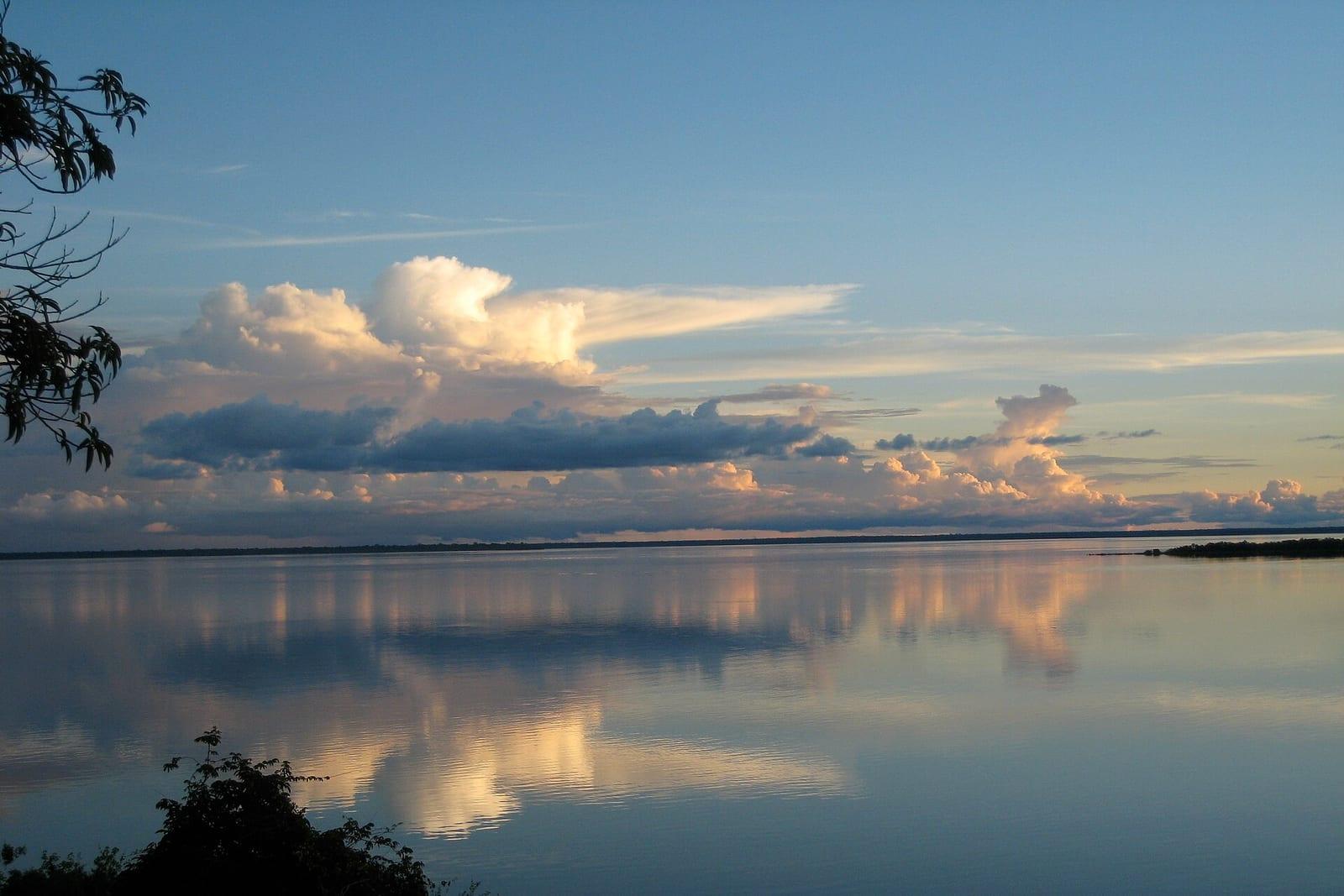
Photo: Joshjrowe · CC BY-SA 3.0 · via Wikimedia Commons
Most Ayahuasca experiences last about four to six hours from start to finish. Effects typically begin 20 to 60 minutes after drinking, build to a peak roughly 90 minutes to 2 hours in, and ease off over the following few hours. A gentler "afterglow", and, for some people, next-day tiredness , can linger well beyond that.
If you have ever read about smoked or vaped DMT lasting only a few minutes, Ayahuasca's much longer arc can be surprising. The reason is pharmacological, and understanding it makes the whole timeline easier to anticipate. Below is what the research and clinical observation actually show, why your experience may differ from someone else's, and what the hours and the day afterward tend to feel like.
How long does Ayahuasca last in total?
In controlled studies and in the great majority of ceremony settings, the acute effects of a single cup of Ayahuasca run for roughly four to six hours. [1] Clinical research describes the hallucinogenic state lasting "approximately 4 to 6 hours," with subjective effects in laboratory trials largely resolved by around the four-hour mark. [1][2]
That said, a ceremony evening is usually longer than the chemistry. Many retreats begin in the early evening and continue past midnight, with quiet time, music, and rest built in around the active window. So the "experience", sitting in the space, integrating, resting before sleep, often spans the whole night even when the strongest effects occupy a narrower band within it.
If you want a fuller picture of the setting around this timeline, see what an Ayahuasca ceremony feels like and what to expect at an Ayahuasca retreat.
When does Ayahuasca kick in? (Onset)
Onset is typically 20 to 60 minutes after drinking, though it can sit at either edge of that range. In clinical trials, psychological effects were first noted around 30 to 60 minutes after a dose. [2] Several factors nudge the timing:
- An empty stomach generally means a faster, sharper onset; food in the gut can slow absorption.
- Brew strength and how it was prepared vary enormously between traditions and centres.
- Your own physiology, metabolism, body composition, and sensitivity all play a part.
In ceremony, the first signs are often subtle: a shift in mood, mild nausea, heightened sensitivity to sound and the facilitators' songs (the icaros), or visual movement when the eyes are closed. Many people describe a slow build rather than a sudden switch.
The peak: when Ayahuasca is strongest
The most intense phase usually arrives around 90 minutes to 2 hours after drinking. Clinical pharmacology places the peak of action at roughly 1.5 to 2 hours, which lines up with peak DMT levels in the blood. [1][2] This is when visionary content, emotional material, and altered thinking tend to be most vivid, and, for some, most challenging.
The peak is also when the purge (vomiting or, less often, diarrhoea) commonly occurs. After the peak, intensity generally declines over the next couple of hours rather than ending abruptly.
Why Ayahuasca lasts so much longer than smoked DMT
This is the part that confuses many newcomers. The visionary compound in Ayahuasca, DMT, is the same molecule that, when smoked, produces an extremely intense experience lasting only minutes. Swallowed on its own, DMT does essentially nothing, your gut and liver break it down almost immediately via an enzyme called monoamine oxidase (MAO) before it can reach the brain. [3][4]
Ayahuasca solves this with the second plant in the brew, the Banisteriopsis caapi vine, which contains β-carboline alkaloids (harmine, harmaline and tetrahydroharmine). These act as a reversible MAO inhibitor (MAOI): they temporarily block the enzyme that would otherwise destroy the DMT, allowing it to become orally active and reach the brain. [3][4]
The MAO-inhibiting β-carbolines are what turn an orally inactive molecule into a four-to-six-hour experience.
The result is a slower, longer, more gradual arc than smoked DMT's flash. The MAOI mechanism is also exactly why Ayahuasca interacts dangerously with certain medications and foods, which we cover in Ayahuasca and antidepressants and in the safety and contraindications pillar. For a deeper dive into the molecules themselves, see Ayahuasca, DMT and pharmahuasca: the difference explained.
Why the duration varies so much
No two reports are identical, and the research reflects that. Measured elimination half-lives of the brew's compounds vary widely between preparations, tetrahydroharmine, for instance, has been reported anywhere from roughly 4.7 to 8.9 hours depending on the sample. [1] The main reasons your timeline may differ from someone else's:
- The brew. Recipes, plant ratios, and concentration differ between lineages and centres, so two cups are rarely equivalent.
- The individual. Metabolism, weight, sensitivity, and prior experience all shift onset, intensity, and how quickly things fade.
- Set and setting. Your mindset, the environment, the facilitators, and the music shape the felt duration, not just the chemistry.
- Empty vs. full stomach and the timing of the dieta that often precedes a ceremony.
This variability is one reason a well-run, properly supervised setting matters so much, covered in how to choose a retreat safely and the questions to ask a retreat.
After-effects: the afterglow and the comedown
As the acute effects fade, most people pass through a quieter, reflective phase before sleep. From here, after-effects fall loosely into two categories.
The "afterglow"
Many people report a positive after-effect in the hours and days that follow, often described as the afterglow. Research has documented increases in measures of mindfulness and emotional openness in the period after a session, alongside the post-acute mood lift that users commonly describe. [5] One study found measurable improvements in mindfulness and cognitive flexibility within the 24 hours after drinking, and these gains were not dependent on how experienced the participants were. [6] How long such effects persist beyond that window is less well established, and traditional reports of a weeks-long "afterglow" remain largely anecdotal rather than firmly measured. [5]
How much of this lasts depends heavily on integration, the work of making sense of the experience afterward. The afterglow is a window, not a destination.
Next-day fatigue and emotional rawness
The other side of the coin is real. A ceremony often runs late and disrupts sleep, the experience can be physically and emotionally demanding, and many people wake the next day tired, tender, or emotionally raw. This usually settles within a day or two. Plan a light, unhurried day after a ceremony rather than a packed schedule or a long journey home.
Ayahuasca is not for everyone, and certain medical and psychiatric conditions make it genuinely risky. Those questions are covered in who should not take Ayahuasca and can Ayahuasca trigger psychosis. Whether Ayahuasca is right for a given person is a conversation for them and a qualified clinician, not a checklist, and never something to decide by stopping prescribed medication on your own.
The short version
Onset in about 20 to 60 minutes; peak around 1.5 to 2 hours; total acute duration commonly 4 to 6 hours; an afterglow and possible next-day fatigue beyond that. The MAOI in the vine is why it lasts hours rather than the minutes of smoked DMT, and why individual, brew, and setting cause such wide variation. If you are still getting your bearings, what is Ayahuasca is a good place to start.
Sources
- [1]Brito-da-Costa AM et al. Toxicokinetics and Toxicodynamics of Ayahuasca Alkaloids DMT, Harmine, Harmaline and Tetrahydroharmine (Pharmaceuticals, 2020), Peak of action at 1.5–2 h; effects last ~4–6 h; reported elimination half-lives for DMT and the β-carbolines. ↩
- [2]Riba J et al. Subjective effects and tolerability of Ayahuasca in healthy volunteers (Psychopharmacology, 2001), Controlled trial: effects first noted ~30–60 min, peaked ~60–120 min, resolved by ~240 min. ↩
- [3]Brierley DI & Davidson C. Developments in harmine pharmacology / β-carbolines and MAO inhibition, overview via PMC review on DMT and MAO inhibition, Explains how harmala alkaloids inhibit MAO to make orally ingested DMT psychoactive. ↩
- [4]Ruffell S, Netzband N, Bird C, Young AH, Juruena MF. The pharmacological interaction of compounds in Ayahuasca: a systematic review (Braz J Psychiatry, 2020;42(6):646–656), DMT inactive orally without β-carboline MAO inhibition; mechanism of oral activity. ↩
- [5]Sampedro F et al. Assessing the Psychedelic 'After-Glow' in Ayahuasca Users (International Journal of Neuropsychopharmacology, 2017), Post-acute increases in mindfulness capacities and associated neurometabolic changes; some maintained at 2-month follow-up; traditional 6–8 week 'afterglow' noted as anecdotal. ↩
- [6]Murphy-Beiner A & Soar K. Ayahuasca's 'afterglow': improved mindfulness and cognitive flexibility in Ayahuasca drinkers (Psychopharmacology, 2020;237(4):1161–1169), Mindfulness and cognitive flexibility measured before and within 24 h of Ayahuasca use; both improved, and the change was not influenced by prior Ayahuasca experience. ↩
Frequently asked questions
- How long does an Ayahuasca trip last?
- The acute effects most commonly last 4–6 hours, with onset around 20–60 minutes after drinking and the peak about 1.5–2 hours in. The wider ceremony, including rest and integration, often runs through the night.
- How long does it take for Ayahuasca to kick in?
- Usually 20 to 60 minutes. An empty stomach tends to bring a faster, sharper onset, while food in the gut and a milder brew can slow it down.
- Why does Ayahuasca last longer than smoked DMT?
- Smoked DMT lasts only minutes and swallowed DMT alone is broken down before it reaches the brain. The vine in Ayahuasca contains MAO-inhibiting compounds that protect the DMT, making it orally active for several hours.
- How long do Ayahuasca after-effects last?
- Many people report an 'afterglow' of improved mood and openness, and one study measured improved mindfulness and cognitive flexibility within the 24 hours after drinking. Others feel tired or emotionally raw the next day; next-day fatigue usually settles within a day or two, while persistent distress warrants speaking to a clinician.
- Will I be able to function or drive the next day?
- Plan a light, unhurried day after a ceremony rather than travel or demanding tasks, because disrupted sleep and emotional intensity commonly leave people tired. How you feel varies, so don't commit to anything you can't easily postpone.
- Does a stronger brew make Ayahuasca last longer?
- Brew strength and preparation vary widely between traditions and centres and can affect intensity and duration, but timing also depends on your own physiology and the setting. There is no reliable way to predict an exact length in advance.
What to read next
The medicine
Ayahuasca Visions: What People Actually See (and Why)
Ayahuasca visions explained: geometry, serpents, ancestors, life review, why they vary, why many see little, and the neuroscience, honestly framed.
· 8 min read
The medicine
10 Common Ayahuasca Myths and Misconceptions
Ten common ayahuasca myths, corrected with honest, sourced facts: cure claims, "natural means safe," visions, purging, addiction, legality and more.
· 7 min read
The medicine
What Does an Ayahuasca Ceremony Actually Feel Like?
An honest, vivid walk-through of an Ayahuasca ceremony, setting, the brew, onset, visions, the purge, icaros, and the comedown, and why it varies so much.
· 9 min read