Pillar guide
How to Choose an Ayahuasca Retreat Safely
A practical, independent guide to choosing an Ayahuasca retreat safely: screening, facilitator vetting, real safety provisions, costs, ethics, and red flags.
By Elena Marsh
·
9 min read
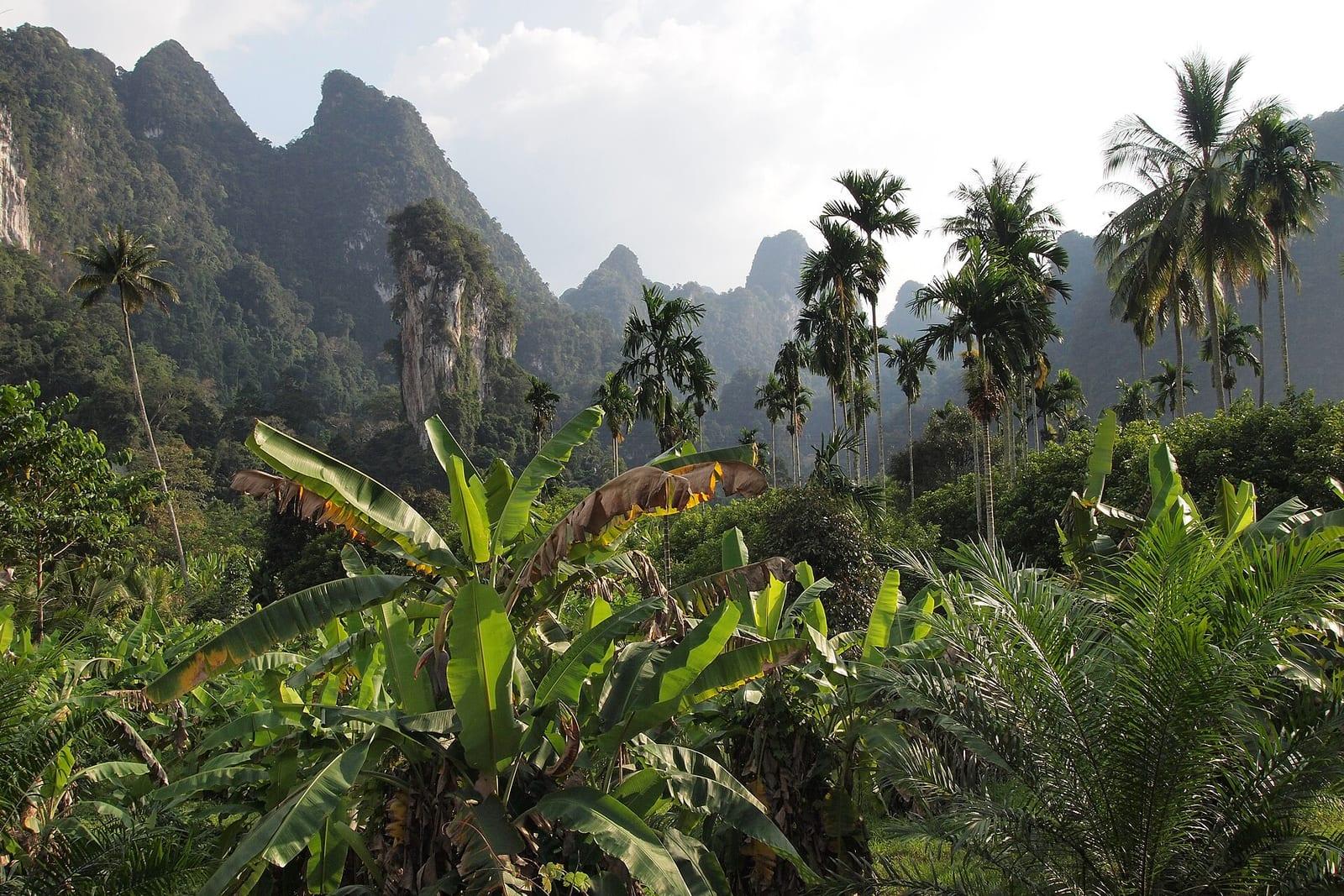
Photo: Vyacheslav Argenberg · CC BY 4.0 · via Wikimedia Commons
Choosing an Ayahuasca retreat is, more than anything, a process of due diligence. The most important safety signals are not the setting or the marketing but the boring, verifiable things: who screens you, who is in the room, and what happens if something goes wrong. This guide walks through how to assess those signals. It is general education, not medical, legal, or personal advice, for anything specific to your health, talk to a qualified clinician.
Start with screening: the single biggest signal
If you remember one thing from this guide, make it this: a centre that screens carefully is safer than one that does not, and a centre that "accepts everyone" is a red flag.
The largest review of retreat operators to date, a 2026 JAMA Network Open study of 49 publicly advertised psychedelic retreat organisations, found that all of them collected participant medical histories, and roughly three-quarters (73.5%) excluded people with certain health conditions. [1] Mental-health conditions were the most common reason to exclude: about half declined people with a personal or family history of psychosis or schizophrenia, and roughly a third excluded bipolar disorder. [1] This matters because Ayahuasca acutely raises heart rate and blood pressure and can trigger anxiety, agitation, or psychotic-like reactions in vulnerable people. [2]
Medication interactions are the other major reason screening exists. Most operators in the JAMA study (87.8%) required or recommended stopping certain medications beforehand, antidepressants in particular, because the combination can be dangerous. [1] That same study flagged an important nuance: discontinuing a prescribed medication is itself a medical risk, so a responsible centre does not just tell you to stop your meds. [1]
A serious screening process usually means a written health questionnaire, follow-up questions, and a willingness to say no. If the intake is a single tick-box, or you are told the medicine "decides who it works for," the centre is outsourcing your safety to chance.
Who is the lead facilitator?
Ask for a name. A real, traceable identity is the foundation of accountability.
You want to be able to establish, at minimum:
- Who the lead facilitator is, by full name, and how long they have practised.
- Their lineage or training, which tradition, teacher, or community they trained in, and for how long. Ayahuasca is not a single culture; it spans many distinct Amazonian and syncretic-church lineages, each with its own protocols and ethics. A facilitator should be able to name theirs specifically rather than gesturing at "shamanism" in general.
- Traceability, past participants you can speak to, an online footprint that predates the retreat's sales page, and references that are not curated by the centre itself.
What real safety provisions look like
"Safe" is a claim; provisions are evidence. Here is what to ask about.
Trained people present, not just one person. In the JAMA study, about two-thirds of organisations (65.3%) had trained personnel present at least some of the time, but only around 41% had a healthcare professional present for part of the retreat. [1] Ask specifically: how many trained people are awake and present during a ceremony, and what are they trained to do?
Medical support and an emergency plan. Most retreats are not medical emergencies, but the serious ones are time-critical. Between 1994 and 2022, an estimated 58 deaths were reported in connection with Ayahuasca retreats; where a cause was determined, none were attributed to Ayahuasca toxicity itself. [1] The deaths involved things like cardiac events, drowning, suicide, homicide, and adulterated brews, causes the researchers describe as potentially preventable with proper screening and safety protocols. [1] So ask: where is the nearest hospital, how long does it take to reach, is anyone trained in first aid or emergency response, and what is the written plan if someone has a cardiac event or a psychiatric crisis at 2am in a remote location?
Informed consent. You should receive, in advance and in writing, a clear account of the risks, physical, psychological, and legal, and what will happen during the ceremony. Acute physical effects are common: in the Global Ayahuasca Survey of more than 8,000 people, about 70% reported some acute physical effect (most often vomiting or nausea), though only 2.3% needed subsequent medical attention. [2] Honest disclosure of this is a good sign; downplaying it is not.
A safeguarding and physical-contact policy. Reputable centres have an explicit policy on touch and consent, because participants are in a highly suggestible, vulnerable state. You should be able to ask what the policy is and who to report a concern to. A centre that has never thought about this question is one to avoid.
Group size, ratios, and integration
Ask how many participants share a ceremony and how many trained people are present, the ratio matters more than the raw numbers. A large group with a single facilitator means less attention on each person at the moment they may most need it.
Integration, the structured support for making sense of the experience afterwards, is where much of the lasting value, and some of the risk, lives. In the Global Ayahuasca Survey, more than half of respondents reported some adverse mental-health effect in the weeks or months afterward; the large majority (around 88%) framed these as part of a growth process, but a minority were meaningfully distressed, and roughly 12% sought professional support. [2] That is exactly why follow-up support matters.
The JAMA study found all 49 organisations offered some integration support, but only about 31% offered structured preparation beforehand. [1] Ask what preparation and integration actually consist of, whether they are included or extra, and whether there is a real human to contact if you are struggling weeks later.
The most important safety provisions are the ones a centre can describe in concrete, checkable detail, not the ones it asserts in a brochure.
Cost transparency, and why price is not safety
Be wary of hidden or vague pricing. A trustworthy centre tells you the full cost up front: what is included, what is not, deposit and refund terms, and any extras. Pressure tactics, limited-time discounts, demands for large non-refundable deposits, evasiveness about totals, are warning signs.
Just as important: a high price does not buy safety. An expensive retreat can have weak screening and an anonymous facilitator; a modest community-rooted one can have rigorous intake and a named, traceable practitioner with deep lineage. Judge safety on the provisions above, not on the bill.
Indigenous-led, women-led, and reciprocity
Ayahuasca's traditions originate with Indigenous Amazonian peoples, and the global retreat economy raises real questions of access, fairness, and extraction. Some readers specifically seek out Indigenous-led centres, both for depth of lineage and as a matter of supporting the communities the practice comes from. Others, particularly those with histories of trauma, prioritise women-led spaces where safeguarding and consent are foregrounded.
Neither flag is a guarantee of safety on its own, all the screening, facilitation, and emergency questions above still apply. But you can reasonably ask how a centre relates to the community and tradition it draws from: whether Indigenous practitioners are fairly paid and credited, and whether any reciprocity, support flowing back to source communities, is real rather than decorative. Honest answers here are a sign of an operator thinking about ethics, not just optics.
Legal context of the destination
The legal status of Ayahuasca varies enormously and is often ambiguous. DMT, a compound in the brew, is a Schedule I substance under the US Controlled Substances Act and a Class A drug in the UK, and it is listed in Schedule I of the 1971 UN Convention on Psychotropic Substances, though the Ayahuasca brew itself is not scheduled under that treaty. [3] Some countries permit it for religious or traditional use, some prohibit it outright, and many have no explicit framework at all. [4]
This is not legal advice, and we cannot tell you what is legal for you. The practical point is simply that you should understand the law of the country you are travelling to before you go, including the risk of carrying anything across a border. ICEERS and the Ayahuasca Defense Fund maintain resources on country-by-country status that are a reasonable starting point. [4]
Red flags, in one place
How this site fits in
We built Ayahuasca.help partly so this homework is easier and more honest. The centres in our directory are vetted against criteria like the ones above, screening rigour, facilitator traceability, safety provisions, and ethics, and we never charge retreats to be listed, ranked, or featured. Our income comes from readers, not from the places we cover, which is what keeps the directory independent.
That independence is the point. The aim is not to talk you into a retreat, or out of one, but to give you the questions a careful person would ask, and to make it normal to walk away from anyone who cannot answer them.
Go deeper
- Ayahuasca Aftercare: The First Days and Weeks Home · 8 min
Ayahuasca aftercare for the first days and weeks home: rest, gentle diet, sleep, emotional volatility, postponing big decisions, and when to see a clinician.
- Where Is Ayahuasca Legal? A Country-by-Country Overview · 7 min
Is Ayahuasca legal? A clear, well-sourced country-by-country overview of DMT laws, the UN treaty, religious exemptions and grey zones. Not legal advice.
- Ayahuasca Integration: How to Make the Insights Last · 8 min
Ayahuasca integration turns ceremony insight into lasting change. Practices, circles, coaches, red flags, and when to see a licensed therapist, honestly.
- Is Ayahuasca Legal in the UK? · 7 min
Ayahuasca is effectively illegal in the UK because it contains DMT, a Class A drug under the Misuse of Drugs Act 1971. There is no recognised religious or ceremonial exemption, and the Court of Appeal
- Is Ayahuasca Legal in the United States? · 8 min
For almost everyone in the US, ayahuasca is illegal because it contains DMT, a Schedule I controlled substance. A plain-English guide to the narrow religious exemptions, what city decriminalisation re
- Ayahuasca Retreats in Peru: What to Know Before You Go · 7 min
Peru is the world's biggest ayahuasca destination, but its retreat centres are largely unregulated. A clear-eyed guide to the legal and cultural context, the real medical and travel risks, how to vet
- How Much Does an Ayahuasca Retreat Cost? · 7 min
Realistic Ayahuasca retreat costs by region and length, what drives price, hidden fees and deposits, and why price does not equal safety.
- Ayahuasca Retreats: What to Expect on Your First Visit · 8 min
A calm, honest first-timer's guide to Ayahuasca retreats: screening, the dieta, a ceremony night, integration, group life, and what to expect after.
- Women and Ayahuasca: Safety, Boundaries and Choosing Well · 8 min
An honest, practical guide for women on ayahuasca safety: the real risk of facilitator misconduct, boundaries to set, women-led options and red flags.
- How Many Ayahuasca Ceremonies Do You Need? · 8 min
There's no required number of ayahuasca ceremonies. Why retreats run several, the case for fewer, and why integration matters far more than the count.
- What to Bring to an Ayahuasca Retreat: A Practical Packing Guide · 7 min
A first-timer's practical ayahuasca retreat packing list: comfortable clothes, warm layers, headlamp, journal, unscented toiletries, and what to leave home.
- How to Prepare for Your First Ayahuasca Ceremony · 8 min
A calm, honest first-timer's guide to preparing for an ayahuasca ceremony: intention, the dieta, medications, readiness, logistics and integration.
- 12 Questions to Ask Any Ayahuasca Retreat Before You Book · 7 min
Twelve concrete questions to ask any Ayahuasca retreat before booking, on screening, facilitators, safety, consent, integration, refunds, and the law.
Sources
- [1]McGuire et al., "Reported Safety Practices of Publicly Advertised Psychedelic Retreats," JAMA Network Open, 2026, Study of 49 publicly advertised retreat organisations: screening, medical exclusion, on-site trained personnel, integration vs preparation support, and the 58 reported deaths (1994–2022). doi:10.1001/jamanetworkopen.2025.52505 ↩
- [2]Bouso et al., "Adverse effects of Ayahuasca: Results from the Global Ayahuasca Survey," PLOS Global Public Health, 2022, Large survey (8,000+ respondents): ~70% acute physical effects, 2.3% needing medical attention; >55% adverse mental-health effects afterward, ~88% framed as growth, ~12% sought professional support. ↩
- [3]Legal status of Ayahuasca by country (overview), High-level summary of DMT scheduling (US Schedule I, UK Class A, 1971 UN Convention) and the variation in national law. Used only for high-level context, not legal advice. ↩
- [4]ICEERS, Ayahuasca and the Law, Non-profit overview: Ayahuasca brew not scheduled under international treaties though DMT is; legal status varies widely; guidance to research destination law. Points to the Ayahuasca Defense Fund legal map. ↩