Ayahuasca Retreats: What to Expect on Your First Visit
A calm, honest first-timer's guide to Ayahuasca retreats: screening, the dieta, a ceremony night, integration, group life, and what to expect after.
By Elena Marsh
·
8 min read
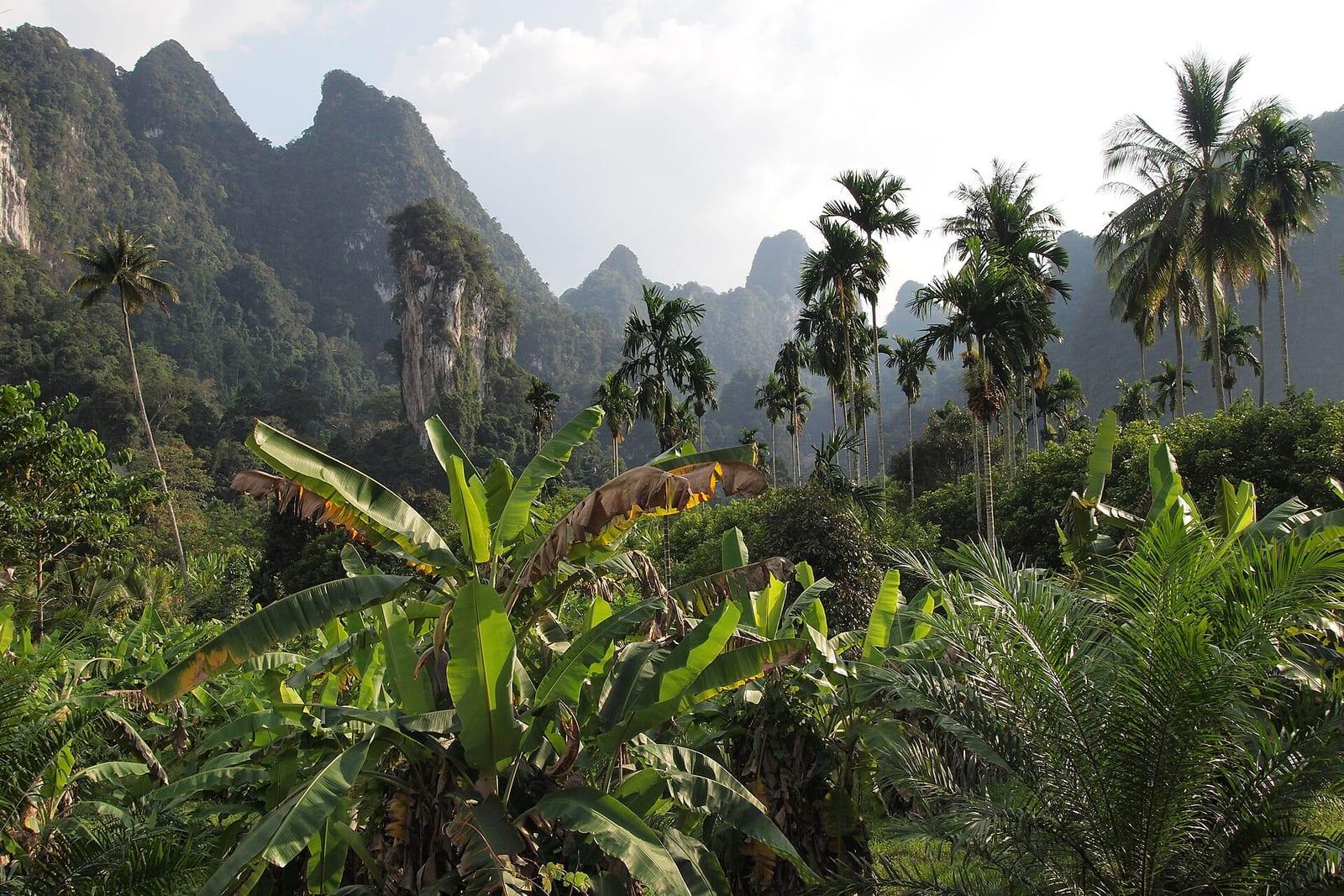
Photo: Vyacheslav Argenberg · CC BY 4.0 · via Wikimedia Commons
Your first Ayahuasca retreat usually follows a recognisable arc: a careful application and health screening, a few days of dietary and mental preparation, several long ceremony nights held in a group under a facilitator's guidance, and structured integration sessions before you go home. A well-run retreat treats all of this, especially the screening, as non-negotiable. This walkthrough explains what each stage actually looks like, what to bring, how it can feel, and the honest risks, so you arrive informed rather than surprised.
What happens before you arrive: application and screening
A responsible retreat does not let you simply book and show up. Expect a multi-stage intake: an application form, a detailed medical and psychiatric questionnaire, and often a follow-up call. This is the single most important safety step, and it is the clearest signal of a centre worth trusting.
The screening exists because Ayahuasca's pharmacology genuinely matters. The brew contains DMT plus β-carboline alkaloids that act as monoamine oxidase inhibitors (MAOIs), and that combination interacts dangerously with certain medications, particularly other MAOIs and serotonergic antidepressants such as SSRIs and SNRIs, where combined use can raise the risk of serotonin toxicity [1]. Some cardiac conditions and a personal or family history of psychosis or bipolar disorder are also commonly treated as contraindications. We cover this in depth in who should not take Ayahuasca and in our guide to Ayahuasca and antidepressants.
If a retreat's intake feels like a formality, that is itself a finding. Before you commit, work through our pillar on how to choose a retreat safely and the 12 questions to ask an Ayahuasca retreat.
The dieta: preparing your body and mind
Most retreats ask you to follow a dieta, a preparatory diet and lifestyle protocol, in the days or weeks beforehand. Typical guidance includes cutting alcohol and recreational drugs, reducing caffeine and sugar, and avoiding foods high in tyramine such as aged cheeses, fermented products, and cured meats. Because Ayahuasca's MAOI activity changes how the body handles tyramine, these restrictions are a genuine safety measure, not folklore [1]. Many lineages also ask you to avoid pork and very salty or spicy food, and to step back from sex and screens to settle the mind.
There is a deeper traditional logic here too: in Amazonian practice the dieta is a discipline of restraint that prepares you to receive the work. You can read more in the Ayahuasca dieta explained. Whatever your retreat specifies, follow their instructions precisely and ask them directly about your own medications and diet.
Arrival and accommodation: what the setting is like
Retreats vary widely, from rustic jungle lodges in Peru to comfortable rural centres. Most are small and residential, with shared or private rooms, simple wholesome food aligned with the dieta, and large stretches of unstructured quiet. Connectivity is often limited by design.
The ceremony itself is usually held in a dedicated space, in the Amazonian tradition a maloca, a large round ceremonial house. Expect mattresses or mats arranged around the room, a bucket within reach of each person, low or no lighting, and bathrooms close by. The plainness is the point: the environment is built to turn attention inward.
A typical day and the structure of a ceremony night
Days at a retreat tend to be slow and deliberate: light meals, rest, gentle activities, perhaps a preparatory talk, and time to set your intention. Ceremonies happen at night and commonly run somewhere between four and eight hours; you can read more in how long Ayahuasca lasts.
A night usually unfolds in recognisable phases:
- Opening. The group gathers in the maloca as darkness falls. The facilitator or curandero sets the space and explains how to ask for help.
- Serving. Participants are called up one at a time to receive their cup. The lights go down.
- The come-up and peak. Effects typically build over roughly 30 to 60 minutes. Visionary and emotional states deepen; this is often when people experience the most intense material. Our companion piece on what an Ayahuasca ceremony feels like goes further.
- The icaros. The facilitators sing icaros, medicine songs that guide and hold the space. Many participants describe these as the anchor of the night; see icaros, the songs of Ayahuasca.
- The purge. Vomiting (and sometimes diarrhoea) is common and, in the tradition, regarded as part of the process rather than a side effect. In the largest survey of users, around 62% reported nausea or vomiting [2]. We unpack this in the Ayahuasca purge explained.
- The descent and close. Effects ease over the later hours. People rest, talk quietly, or sleep where they lie.
Acute physical effects such as vomiting were reported by most participants, yet only 2.3% needed any subsequent medical attention.
What it can feel like emotionally, and the honest risks
People describe a huge range of experiences: profound calm, vivid imagery, waves of grief or joy, the sense of revisiting memories, and sometimes fear or confusion. Difficult passages are common and not a sign that something has gone wrong, though they should always be held by trained people. Our guide to preparing for a difficult Ayahuasca experience is worth reading in advance.
Honesty matters here. In the Global Ayahuasca Survey of more than 10,000 people across 50+ countries, about 70% reported some acute physical adverse effect and roughly 55% reported a mental-health effect in the following weeks, yet the large majority framed those mental-health effects as part of a constructive process, and serious events were uncommon [2]. Crucially, the same research found physical adverse effects were more likely in unsupervised settings than in structured, supervised ones [2], another reason the quality of your retreat matters. For the rare but serious end of the spectrum, see can Ayahuasca trigger psychosis and Ayahuasca and your heart. Ayahuasca is not a proven medical treatment; clinical research, such as a small randomised trial in treatment-resistant depression, is early-stage and not a basis for self-treatment [3].
Group dynamics: doing this alongside strangers
Almost all retreats are group experiences, and the group becomes part of the work. You will likely share meals, sit in circle, and hear others purge or cry during ceremony. Most participants find an unexpected intimacy and solidarity in this; a few find it confronting. Good facilitators set clear agreements, confidentiality, not touching others mid-ceremony, asking before offering help, that keep the container safe. You are never obliged to share more than you want to.
Integration: the part that does the real work
The ceremonies are only the beginning. Integration, making sense of what surfaced and translating it into daily life, is widely regarded as where lasting change happens, or fails to. Reputable centres build in morning sharing circles and one-to-one sessions, and the harm-reduction organisation ICEERS offers free post-experience integration support for people processing difficult experiences [4].
Before you book, ask what integration support looks like both during and after the retreat. Our article on Ayahuasca integration: making it last covers practical approaches for the weeks that follow.
After you go home
The return can be disorienting: ordinary life feels loud, and insights can fade if you do nothing with them. Many people keep things gentle for a few days, journal, ease back onto the dieta gradually, and avoid big life decisions for a while. Lean on integration sessions, trusted friends, or a therapist familiar with this terrain. If distressing symptoms persist, sustained low mood, intrusive anxiety, sleep disruption, or anything that worries you, seek professional support.
A first retreat is best approached as the start of a process, not a single dramatic event. The more you understand Ayahuasca itself, including its legal status, where DMT is a Schedule I substance in the US and a Class A drug in the UK [5], and the more carefully you choose where and with whom you go, the safer and more meaningful that first visit is likely to be. Start with what is Ayahuasca and Ayahuasca safety and contraindications.
Sources
- [1]White et al., Ayahuasca and DMT Adverse Events and Toxicity: A Systematic Thematic Review, Journal of Psychopharmacology (2024), Reviews MAOI pharmacology, SSRI/serotonin-toxicity risk, and tyramine-related dietary considerations. ↩
- [2]Bouso et al., Adverse effects of Ayahuasca: Results from the Global Ayahuasca Survey, PLOS Global Public Health (2022), Largest survey to date (10,000+ respondents, 50+ countries); source for physical/mental adverse-effect rates and supervised-vs-unsupervised finding. ↩
- [3]Palhano-Fontes et al., Rapid antidepressant effects of Ayahuasca in treatment-resistant depression: a randomized placebo-controlled trial, Psychological Medicine (2019), Small (n=29) early-stage clinical trial; cited to characterise research as preliminary, not as evidence of treatment. ↩
- [4]ICEERS, Support and Integration (El Faro Support Center), Harm-reduction organisation offering free integration sessions for challenging psychedelic experiences. ↩
- [5]ICEERS, Legal status of Ayahuasca, England and Wales, Reference for DMT's Class A / Schedule 1 status under the UK Misuse of Drugs Act 1971. ↩
Frequently asked questions
- How long does an Ayahuasca retreat last?
- Most residential retreats run from several days to two weeks, typically including two to four ceremony nights with preparation and integration days in between. Each ceremony itself usually lasts somewhere between four and eight hours.
- Do I have to vomit during an Ayahuasca ceremony?
- Not everyone does, but it is very common, in the largest survey of users, around 62% reported nausea or vomiting. In the Amazonian tradition this 'purge' is regarded as part of the process rather than a side effect, though it is not guaranteed or required.
- What should I bring to an Ayahuasca retreat?
- Follow your retreat's packing list, but common items include comfortable loose clothing, a warm layer for night ceremonies, a journal, toiletries that fit the dieta, and any essentials your centre approves. Check directly with the retreat about anything medical.
- Can I do an Ayahuasca retreat if I take antidepressants?
- Many antidepressants, especially SSRIs, SNRIs and MAOIs, can interact dangerously with Ayahuasca, so this is a serious screening question. Never stop your medication on your own; discuss it only with the prescribing clinician and disclose everything to the retreat.
- Is it normal to feel anxious or scared before a retreat?
- Yes, pre-retreat nerves are extremely common and not a sign you shouldn't go. Reading honestly about what to expect, choosing a well-screened centre, and asking the facilitators your questions in advance tends to settle a lot of that anxiety.
- What is integration and why does it matter?
- Integration is the work of making sense of your experience and translating any insights into everyday life, usually through sharing circles, one-to-one sessions, journaling or therapy. Many practitioners consider it the part where lasting change actually happens, and free support is available from organisations like ICEERS.
What to read next
Choosing a retreat
Ayahuasca Aftercare: The First Days and Weeks Home
Ayahuasca aftercare for the first days and weeks home: rest, gentle diet, sleep, emotional volatility, postponing big decisions, and when to see a clinician.
· 8 min read

Choosing a retreat
Where Is Ayahuasca Legal? A Country-by-Country Overview
Is Ayahuasca legal? A clear, well-sourced country-by-country overview of DMT laws, the UN treaty, religious exemptions and grey zones. Not legal advice.
· 7 min read
Choosing a retreat
Ayahuasca Integration: How to Make the Insights Last
Ayahuasca integration turns ceremony insight into lasting change. Practices, circles, coaches, red flags, and when to see a licensed therapist, honestly.
· 8 min read