The Ayahuasca Dieta: The Traditional Diet, Explained
The Ayahuasca dieta has two roots that point the same way: a traditional Amazonian discipline of restraint, and a modern MAOI food-safety caution. Here's what the diet actually is, why the food list e
Medically reviewed by Dr James Okafor
·
8 min read
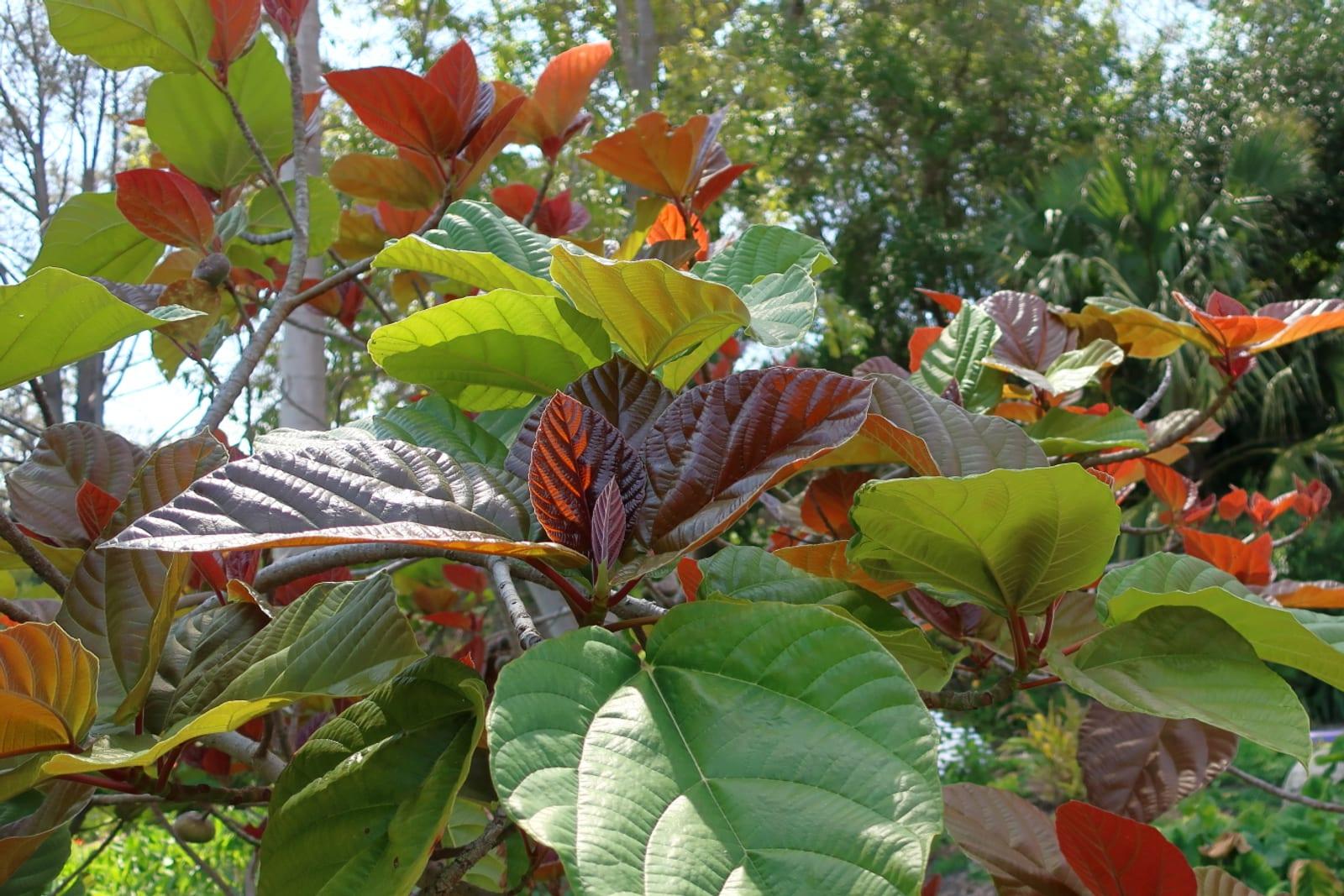
Photo: cultivar413 from Fallbrook, California · CC BY 2.0 · via Wikimedia Commons
The Ayahuasca dieta ("la dieta") is the set of dietary and behavioural restrictions people follow before, during, and after ceremony. It has two roots that happen to point in the same direction: a centuries-old Amazonian spiritual practice of disciplining body and mind to relate to "plant teachers," and a modern pharmacological caution, because Ayahuasca's brew temporarily inhibits an enzyme (MAO) that normally breaks down certain compounds in food and medicines.
Most newcomers first meet the dieta as a list of forbidden foods emailed by a retreat: no pork, no aged cheese, no alcohol, no fermented anything, often no salt, sugar, or sex for some days on either side of ceremony. The list can feel arbitrary or even superstitious. It isn't. It sits at the meeting point of two very different traditions, one indigenous and spiritual, one pharmacological, and understanding both is the difference between following rules blindly and following them with sense. This page explains what the dieta actually is, why it varies, and where the genuine safety lines are.
What does "la dieta" mean in the Ayahuasca tradition?
In Amazonian vegetalismo, the healing tradition of the upper Amazon, the word dieta means far more than "diet" in the Western sense. It is a structured period of restraint undertaken to enter into relationship with a plant. In its deepest form, an apprentice healer drinks a preparation of a specific "master plant" (planta maestra) in seclusion, often for weeks or months, abstaining from salt, sugar, fat, spice, alcohol, sex, and contact with others.[1][2] The restrictions are understood as a way of quieting the body's appetites so the plant's "teaching" can be received clearly.
Several principles recur across descriptions of the tradition:
- Simplicity and blandness. Food is kept plain, typically little or no salt, sugar, fat, or spice. The point is to reduce stimulation, not to nourish elaborately.
- Abstinence. Sexual activity, alcohol, and recreational drugs are set aside, sometimes for a defined window before and after.
- Seclusion and quiet. In the classic apprentice dieta, isolation from other people, screens, and distractions is part of the discipline.
- Reverence. The diet is framed as a commitment to the plant, not a diet in the calorie-counting sense.
It's important not to flatten this. Practices differ between lineages, between curanderos within a lineage, and between the rigorous apprentice dieta and the lighter pre-ceremony diet most retreat guests follow. For broader context on the tradition the brew comes from, see our pillar on what Ayahuasca is and our brief history of Ayahuasca.
Why is there a food list? The MAOI safety rationale
The second root of the dieta is pharmacological, and this is where the strict-sounding food rules come from. Ayahuasca is a combination of two plants: a vine (Banisteriopsis caapi) and, usually, a DMT-containing leaf. The vine contains β-carboline alkaloids, principally harmine, harmaline, and tetrahydroharmine, which act as monoamine oxidase inhibitors (MAOIs).[3] (Our explainer on DMT, Ayahuasca, and pharmahuasca covers why both plants are needed.)
Monoamine oxidase is an enzyme in your gut and brain that breaks down certain amine compounds, including tyramine, found in aged, cured, and fermented foods. When MAO is inhibited and you eat a lot of tyramine, blood pressure can spike dangerously, a "hypertensive crisis," sometimes called the "cheese effect."[4] This is the well-documented risk behind pharmaceutical MAOIs, and it is the reason MAOI patients are told to avoid aged cheese, cured and fermented meats, fermented soy products, draft beer, and certain other foods.[4]
That same logic, applied cautiously, is why retreats restrict the same categories of food.
The forbidden-food list is, in large part, a borrowed MAOI safety list. The tradition and the pharmacology happen to forbid many of the same things.
How serious is the tyramine risk with Ayahuasca specifically?
Honestly, the science here is less settled than the strictness of the rules implies. The β-carbolines in Ayahuasca are reversible and largely MAO-A-selective inhibitors, which differs from the irreversible pharmaceutical MAOIs that the classic "cheese effect" warnings were built around.[5] Researchers note that the complete, lasting enzyme blockade needed to trigger a serious tyramine reaction is "almost unattainable" with reversible, competitive inhibitors like these, which may make plant β-carbolines lower-risk than prescription MAOIs on this specific axis.[3][5]
That is a reason for context, not for complacency. The interaction is real, the individual dose and brew strength vary enormously, and the influence of Ayahuasca's particular MAO inhibition is still described in the literature as poorly understood.[6] Centres restrict tyramine-rich foods because the downside of caution is a bland week, and the downside of being wrong is a medical emergency. That is a sensible trade.
Medications and supplements: the part that actually matters most
For most healthy people, the food rules are a precaution. The interaction that causes real harm involves medicines and substances that act on serotonin. Combining Ayahuasca's MAOIs with certain antidepressants, especially SSRIs, SNRIs, and other MAOIs, can in principle contribute to serotonin toxicity (serotonin syndrome), which can be life-threatening.[6]
This is not a do-it-yourself calculation, and it is emphatically not a reason to stop prescribed medication on your own. Stopping antidepressants abruptly carries its own serious risks, and tapering decisions belong with the prescriber who knows your history. The right move is a conversation with both your prescriber and the retreat, well in advance. We cover this in depth in Ayahuasca and antidepressants and in who should not take Ayahuasca; the broader picture lives in our safety and contraindications pillar.
The categories of restriction, conceptually
Different centres word their lists differently, but the dieta tends to group into a few recognisable buckets. The point of listing them as categories, not a protocol, is so the logic is legible:
- Tyramine-rich and fermented foods, aged cheeses, cured and fermented meats, fermented soy and other ferments, some alcoholic drinks. This is the MAOI-overlap category.[4]
- Alcohol and recreational drugs, removed both on safety grounds and as part of the traditional abstinence.
- Stimulants and intense flavours, caffeine, sometimes refined sugar, salt, heavy spice and chilli, rich fats. More about traditional simplicity and reducing physical agitation than acute danger.
- Behavioural restrictions, sexual abstinence and, in deeper dietas, seclusion and quiet, framed as discipline and focus.
- Medications and supplements, the clinician-led category, covered above.
How long each window lasts, days, a couple of weeks, longer, is exactly the kind of specific that varies by lineage and by your health, and is precisely what to confirm with your centre.
How long is the Ayahuasca diet, before and after?
There is no universal answer, and you should be wary of anyone who gives you one as if it were law. Lighter pre-ceremony diets for retreat guests often run for a number of days before and after; traditional apprentice dietas can last weeks or longer in seclusion.[1][2] The "after" window matters too: many centres ask you to ease back gradually, partly for the body and partly because the days following ceremony are when integration happens and a calm routine helps.
When you are comparing centres, their dieta is a useful signal of how seriously they take preparation and screening. A vague or absent diet is a small red flag; a clear, health-aware one is reassuring. Our guides on choosing a retreat safely and the questions to ask a retreat can help you read those signals.
Respecting the tradition while taking the safety seriously
It's tempting, from a Western vantage point, to keep the parts of the dieta that have an obvious pharmacological justification and discard the rest as folklore. That misreads it. The food and behavioural restrictions are, in the tradition, a single coherent discipline, a way of preparing the whole person, not just managing an enzyme.[2] Honouring the practice and understanding the pharmacology are not in tension; both lead, in the end, to the same plain, sober, prepared body walking into ceremony.
The honest summary: follow the diet your centre gives you, take the medication question to a clinician, and don't let either the romance of the tradition or the reassurance of "it's only reversible MAO inhibition" talk you out of caution. The dieta is one of the few parts of the Ayahuasca experience you are fully in control of. Use that.
Sources
- [1]Gearin & Labate, "La Dieta": Ayahuasca and the Western reinvention of indigenous Amazonian food shamanism (in The Expanding World Ayahuasca Diaspora, Routledge, 2018), Anthropological account of the traditional dieta, master-plant apprenticeship, and its restrictions. ↩
- [2]El Mundo Magico, The shamanic plant diet (dieta): restrictions, plant teachers, Practitioner description of traditional dieta structure: salt/sugar/fat/spice, abstinence, seclusion, duration. ↩
- [3]Khalil et al., Monoamine Oxidase Inhibition by Plant-Derived β-Carbolines (PMC9121195), β-carbolines (harmine) are reversible, competitive MAO inhibitors; full blockade needed for a tyramine reaction is 'almost unattainable' vs irreversible MAOIs. ↩
- [4]Mayo Clinic, MAOIs and diet: Is it necessary to restrict tyramine?, Clinical explanation of MAOIs, tyramine, hypertensive crisis, and the food categories to avoid (aged cheese, cured/fermented foods, etc.). ↩
- [5]Brierley & Davidson, review of β-carbolines and reversible MAO-A inhibition (via PMC8352742 risk assessment), Risk assessment of Ayahuasca in a religious context; notes contraindications are extrapolated from conventional MAOIs and that β-carbolines are reversible/MAO-A-selective. ↩
- [6]dos Santos, Toxicokinetics and toxicodynamics of Ayahuasca alkaloids (PMC7690791), Pharmacology of DMT, harmine, harmaline, THH; MAOI interactions with serotonergic drugs and tyramine; influence of Ayahuasca's MAO inhibition still incompletely understood. ↩
Frequently asked questions
- What can't you eat on the Ayahuasca diet?
- Centres commonly restrict tyramine-rich and fermented foods (aged cheese, cured/fermented meats, fermented soy), alcohol and recreational drugs, and often caffeine, salt, sugar, heavy spice, and rich fats. The exact list varies by retreat and lineage, so treat the one your centre sends as authoritative for you.
- Why do you have to avoid aged cheese and fermented food before Ayahuasca?
- Ayahuasca's vine inhibits monoamine oxidase (MAO), the enzyme that normally breaks down tyramine in aged, cured, and fermented foods. With MAO inhibited, high tyramine intake can raise blood pressure dangerously, the same 'cheese effect' that pharmaceutical MAOIs warn about.
- How long before Ayahuasca should you start the diet?
- There's no universal answer. Lighter pre-ceremony diets for retreat guests often run a number of days before and after, while traditional apprentice dietas can last weeks in seclusion. Confirm the specific window with your retreat, since it depends on lineage and your health.
- Is the Ayahuasca diet about safety or spiritual tradition?
- Both. In Amazonian vegetalismo the dieta is a spiritual discipline of restraint to relate to 'plant teachers.' It also overlaps with a real pharmacological caution around MAO inhibition. The two traditions happen to forbid many of the same things.
- Can I take my antidepressant and do Ayahuasca if I follow the diet?
- This is not something the food diet resolves, and not a decision to make alone. Combining Ayahuasca's MAOIs with SSRIs, SNRIs, or other MAOIs can risk serotonin toxicity. Discuss it with your prescriber and the retreat in advance, and never stop prescribed medication on your own.
- Are tyramine reactions from Ayahuasca as dangerous as with prescription MAOIs?
- Possibly less so. Ayahuasca's β-carbolines are reversible, MAO-A-selective inhibitors, and the complete blockade needed for a severe tyramine reaction is hard to reach with reversible inhibitors. But the data is incomplete and brew strength varies, so centres restrict these foods as a sensible precaution.
What to read next
Safety
Can You Do Ayahuasca at Home or Alone? Why Experts Advise Against It
Can you do ayahuasca at home or alone? Experts advise against it. Here is the honest harm-reduction case: screening, trained support and legality.
· 8 min read
Safety
Difficult Journeys: How to Prepare for a Hard Ayahuasca Experience
Difficult Ayahuasca experiences are common and not the same as harm. How to prepare: set and setting, surrender, good support, emergencies and integration.
· 8 min read
Safety
Can Ayahuasca Trigger Psychosis? What the Evidence Shows
Ayahuasca can rarely trigger prolonged psychosis or mania, with higher risk for those with a personal or family history of psychosis or bipolar disorder.
· 7 min read