Who Should Not Take Ayahuasca? Contraindications, Explained
Ayahuasca's MAOI pharmacology makes it genuinely dangerous for some people. A plain account of the best-documented contraindications, interacting medications, psychosis or bipolar history, heart cond
By Elena Marsh
Medically reviewed by Dr James Okafor
·
7 min read
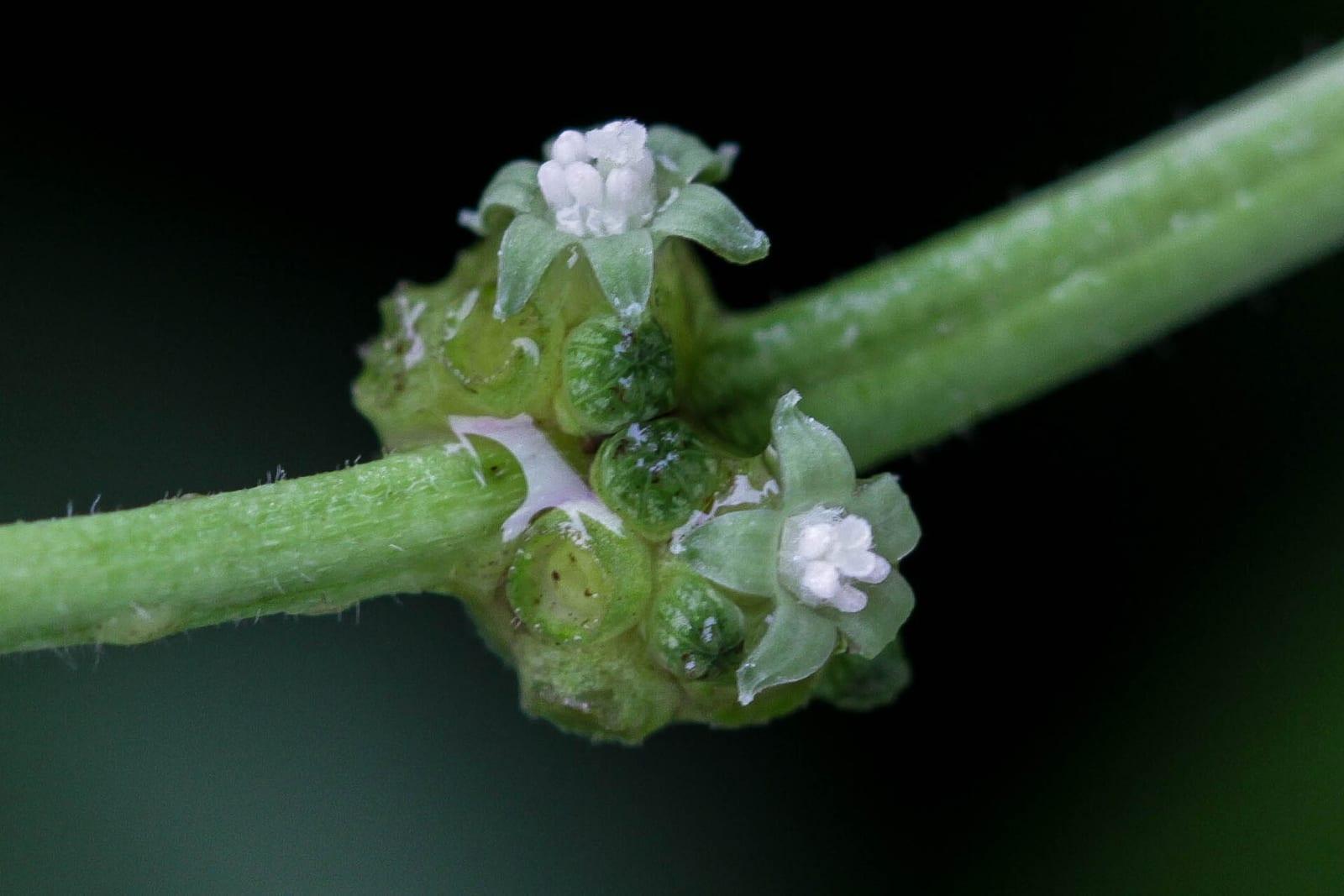
Photo: A.Benedito · CC BY-SA 4.0 · via Wikimedia Commons
Ayahuasca is not safe for everyone. For some people the risks are high enough that responsible centres will turn them away, and a clinician who knows their history would say the same. This is a plain account of the main groups for whom Ayahuasca carries elevated danger, and why. It is general education, not a substitute for medical advice.
Ayahuasca is a potent pharmacological agent, not just a ceremonial drink. It pairs DMT with β-carboline alkaloids (harmine, harmaline, tetrahydroharmine) that inhibit the enzyme monoamine oxidase. [1] That combination is what makes the brew orally active, and it is also what makes certain pre-existing conditions and medications genuinely dangerous. Understanding who should not take it is one of the most important things a prospective participant can learn.
Ayahuasca's origins lie with Amazonian indigenous and mestizo traditions, and the brew is prepared and used differently across many distinct lineages. It is worth saying at the outset that the idea of screening people out is not a modern medical imposition: traditional contexts have long restricted who drinks, when, and under what preparation. The contraindications below are the clinical version of a much older instinct, that this is not for everyone, every time.
A note on framing before we begin: this article lists the groups at clearest, best-documented risk. It is not a checklist you can clear yourself against. The absence of every item below does not mean Ayahuasca is safe for you. Only a qualified clinician who knows your full history, and a reputable centre that screens properly, can weigh your individual situation.
People taking contraindicated medications
This is the most acute and time-sensitive contraindication. Because Ayahuasca's β-carbolines act as MAO inhibitors, combining the brew with certain antidepressants and other serotonergic drugs can trigger serotonin syndrome, a potentially life-threatening reaction marked by agitation, high blood pressure, rapid heart rate, high fever and seizures. [2] The drugs of greatest concern include SSRIs, SNRIs, tricyclic antidepressants and prescription MAOIs, but the interaction list is long and includes some over-the-counter products.
Crucially, you cannot simply stop an antidepressant the week before a ceremony. Some drugs take many weeks to clear the body, and abruptly stopping a prescribed medication carries its own serious risks. We cover the pharmacology and the medications involved in detail in our dedicated piece on Ayahuasca, SSRIs and MAOIs. Never stop or change a prescribed medication on your own, this is a conversation for your prescriber.
People with a personal or family history of psychotic or bipolar disorders
A systematic review of the human evidence concluded that psychotic episodes after Ayahuasca or DMT appear rare overall, but that individuals with a personal or family history of any psychotic illness, or of non-psychotic mania, should avoid hallucinogen intake. [3] The concern is that a powerful serotonergic, perception-altering experience may unmask or precipitate a first episode in someone who is genetically or clinically vulnerable, or destabilise someone already living with such a condition.
The risk is not limited to schizophrenia. Because Ayahuasca's MAO-inhibiting alkaloids have antidepressant-like activity and ceremonies often involve emotional intensity and disrupted sleep, there are documented case reports of a switch into mania in people with bipolar disorder. [4] Family history matters here too, since these conditions are partly heritable and a first manic or psychotic break can be triggered before a person has ever been diagnosed.
Certain heart conditions and uncontrolled high blood pressure
Ayahuasca produces real cardiovascular effects. Controlled human pharmacology studies have measured rises in blood pressure after dosing, alongside broader sympathetic ("fight or flight") nervous-system activation. [1] In healthy volunteers these changes were transient. But for someone with significant underlying heart disease, serious arrhythmias, recent cardiac events, heart failure, or with uncontrolled hypertension, an acute surge in blood pressure and heart rate during a long, physically demanding night carries clear added risk. The frequent vomiting and dehydration that accompany ceremonies add further cardiovascular strain.
The honest position is uncertainty, and uncertainty in a person with a fragile heart is a reason for caution, not reassurance.
The cardiovascular safety of psychedelics more broadly is still being formally characterised, and reviewers note that data in people with pre-existing heart disease are limited. [5] That gap is precisely why a cardiac history is something to raise with a cardiologist, not to gamble on.
Pregnancy
There is no reliable safety data establishing that Ayahuasca is safe to take during pregnancy or while breastfeeding. The brew is pharmacologically active, crosses into systems shared with a developing fetus, and the associated vomiting, dehydration and cardiovascular stress are additional concerns. In the absence of evidence of safety, and given the stakes, the responsible default is to avoid it. This is, again, a conversation for an obstetric clinician rather than a retreat coordinator.
People in acute mental-health crisis
Ayahuasca is not a crisis intervention, and it is not a safe place to be when you are at your most fragile. Survey data from thousands of users found that adverse mental-health effects in the weeks or months afterward were common, and that a prior anxiety disorder and existing physical health conditions were among the strongest predictors of difficult reactions. [6] For someone in acute distress, actively suicidal, in the middle of a severe depressive or panic crisis, or recently destabilised, an overwhelming, ego-dissolving experience can deepen the crisis rather than resolve it.
It is also worth being clear-eyed about claims. Early research into psychedelics and mental health is genuinely interesting, but it is preliminary and conducted under tightly controlled clinical conditions. Ayahuasca is not a proven treatment for depression, addiction, PTSD or any other condition, and it should never be approached as an emergency alternative to real care.
Why a good centre screens, and why screening is not a clearance
A reputable retreat treats medical and psychiatric screening as non-negotiable: a detailed health questionnaire, medication review, and the willingness to decline applicants whose risk is too high. A survey of publicly advertised psychedelic retreat organisations found that all of those studied collected participant medical histories, that the majority excluded people with specific conditions such as psychosis, bipolar disorder or cardiovascular disease, and that most required or recommended stopping certain medications before attending, though it also documented substantial variability in how rigorous those protocols actually were. [7] Separate analyses of reported ayahuasca-related deaths reach a related conclusion: no death has been attributed to the brew's acute toxicity in a forensic examination, and the cases reviewed tended to follow preventable failures, inadequate screening, poor supervision, dangerous drug combinations or unmanaged pre-existing conditions, rather than Ayahuasca itself. [8] A centre that takes anyone, asks little, and discourages you from involving your own doctor is showing you something important about its standards.
But screening protects you only if you are honest, and only if you also involve a clinician who knows you. A questionnaire cannot see your full medical record, your family history, or the medication interaction you forgot to mention, and, as the retreat survey makes clear, screening that relies on self-report can be inaccurate. [7]
This brings us back to the most important point. Not appearing on this list is not a green light. These are the clearest, best-documented contraindications, not an exhaustive map of every way Ayahuasca can go wrong for a particular body and mind. The only people who can properly assess your risk are a qualified clinician who knows your history and a responsible centre that screens you carefully. Treat both as prerequisites, not formalities.
If you are reading this while in real distress, feeling unsafe, hopeless, or in crisis, please reach out to support now rather than toward a ceremony. In the US you can call or text 988 to reach the Suicide and Crisis Lifeline, free and confidential, 24 hours a day; [9] elsewhere, your local emergency number or a national crisis line can connect you with someone today.
Sources
- [1]Riba et al., Human Pharmacology of Ayahuasca: Subjective and Cardiovascular Effects, Monoamine Metabolite Excretion, and Pharmacokinetics. J Pharmacol Exp Ther (2003), Controlled human study documenting Ayahuasca's DMT + MAO-inhibiting β-carboline composition and measured cardiovascular (blood pressure) effects. ↩
- [2]Malcolm & Lee, Ayahuasca: An ancient sacrament for treatment of contemporary psychiatric illness? Ment Health Clin (2017), Review noting that Ayahuasca's MAOI properties create serious potential drug interactions, including serotonin syndrome risk when combined with serotonergic medications. ↩
- [3]Dos Santos et al., Ayahuasca, dimethyltryptamine, and psychosis: a systematic review of human studies. Ther Adv Psychopharmacol (2017), Concludes psychotic episodes are rare but that people with a personal or family history of psychotic illness or non-psychotic mania should avoid hallucinogens. ↩
- [4]Szmulewicz et al., Switch to mania after Ayahuasca consumption in a man with bipolar disorder: a case report. Int J Bipolar Disord (2015), Documented case of a manic switch following Ayahuasca use in bipolar disorder. ↩
- [5]Wsół, Cardiovascular safety of psychedelic medicine: current status and future directions. Pharmacol Rep (2023), Review noting limited cardiovascular safety data in people with pre-existing heart disease. ↩
- [6]Bouso et al., Adverse effects of Ayahuasca: Results from the Global Ayahuasca Survey. PLOS Glob Public Health (2022), Large survey; adverse mental-health effects common; prior anxiety disorder and physical health conditions among strongest predictors of difficult reactions. ↩
- [7]McGuire, Neitzke-Spruill, Robinson, et al., Reported Safety Practices of Publicly Advertised Psychedelic Retreats. JAMA Network Open (2026), Survey of 49 retreat organizations: all collected medical histories (self-reported), 73.5% excluded people with specific conditions, ~88% required/recommended stopping certain medications; substantial variability in safety protocols. ↩
- [8]ICEERS, Examining the Deaths Misattributed to Ayahuasca (2023), Analysis of reported ayahuasca-related deaths finding none attributed to acute toxicity by forensic examination; cases linked to preventable factors such as inadequate screening, poor supervision, drug combinations and pre-existing conditions. ↩
- [9]988 Suicide & Crisis Lifeline (US), Federal Communications Commission, Free, confidential crisis support available by call or text to 988, 24/7. ↩
What to read next
Safety
Can You Do Ayahuasca at Home or Alone? Why Experts Advise Against It
Can you do ayahuasca at home or alone? Experts advise against it. Here is the honest harm-reduction case: screening, trained support and legality.
· 8 min read
Safety
The Ayahuasca Dieta: The Traditional Diet, Explained
The Ayahuasca dieta has two roots that point the same way: a traditional Amazonian discipline of restraint, and a modern MAOI food-safety caution. Here's what the diet actually is, why the food list e
· 8 min read
Safety
Difficult Journeys: How to Prepare for a Hard Ayahuasca Experience
Difficult Ayahuasca experiences are common and not the same as harm. How to prepare: set and setting, surrender, good support, emergencies and integration.
· 8 min read