Ayahuasca vs San Pedro, Peyote and Other Plant Medicines
How ayahuasca compares with San Pedro, peyote and iboga: different plants, compounds, durations, indigenous traditions and legal status, explained honestly.
·
7 min read
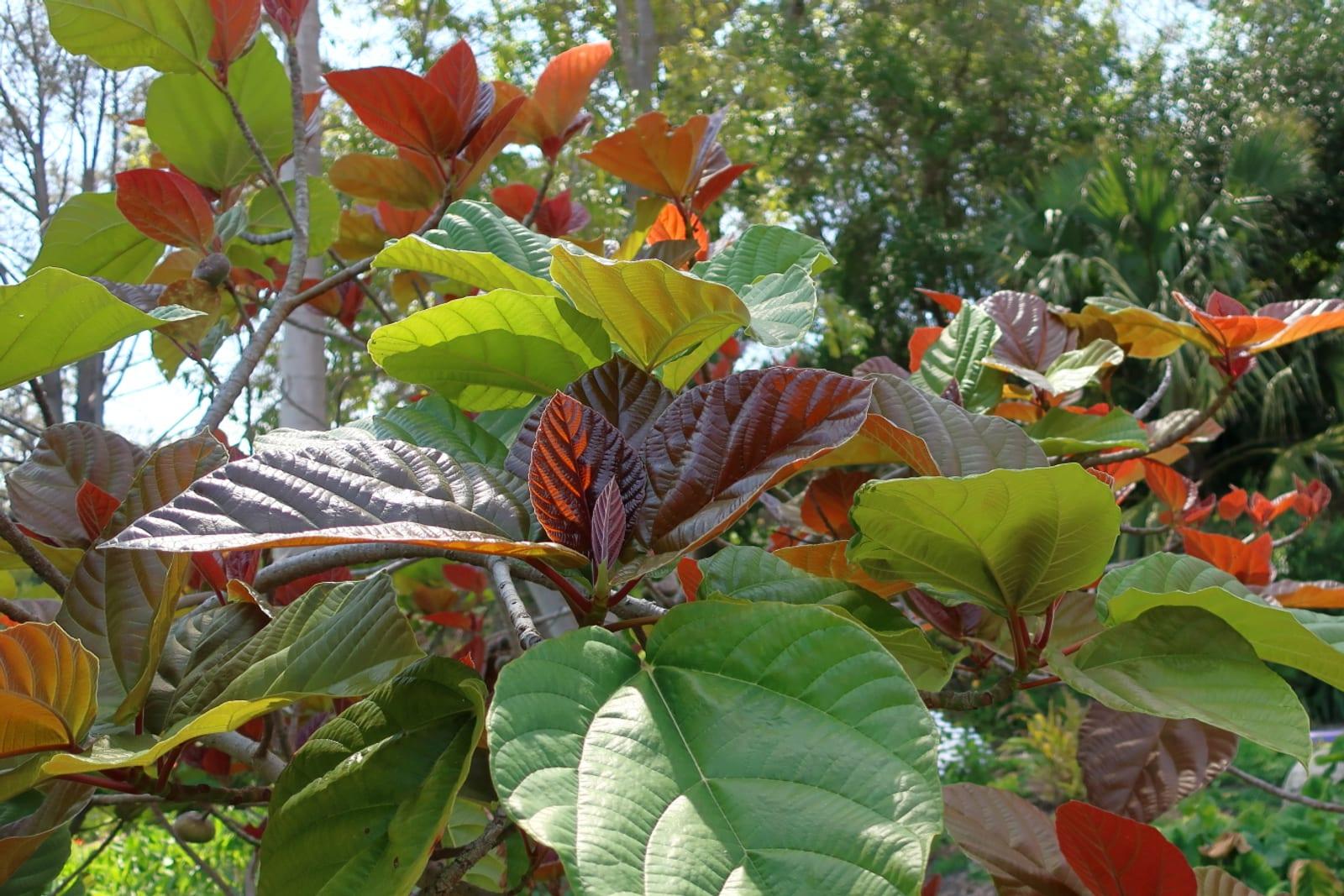
Photo: cultivar413 from Fallbrook, California · CC BY 2.0 · via Wikimedia Commons
Ayahuasca is one of several plant medicines with deep indigenous roots, but it is not interchangeable with San Pedro, peyote or iboga. Each comes from a different plant, carries a different active compound, lasts a different length of time, belongs to a distinct cultural lineage, and sits in its own legal grey zone. If you are weighing one against the others, the honest short answer is that they are genuinely different experiences, and the differences matter for safety, legality and respect.
What is the difference between ayahuasca and San Pedro, peyote and other plant medicines?
The clearest way to tell these traditions apart is to look at four things: the plant, the active compound, how long it lasts, and where it comes from.
Ayahuasca is a brew, not a single plant. It traditionally combines the vine Banisteriopsis caapi with a DMT-containing leaf such as Psychotria viridis (chacruna). The vine's harmala alkaloids allow the DMT to become orally active.[1] Its origins are Amazonian, across Peru, Brazil, Ecuador, Colombia and neighbouring countries. You can read more in our guide to what ayahuasca is.
San Pedro, also called huachuma or wachuma (Echinopsis pachanoi, formerly Trichocereus pachanoi), is a tall columnar cactus from the Andes. Its main active compound is mescaline.[2] Its ceremonial use in the Andes is ancient, with archaeological evidence stretching back thousands of years, and in 2022 Peru declared traditional San Pedro use in the north of the country part of its cultural heritage.[2]
Peyote (Lophophora williamsii) is a small, slow-growing cactus native to south Texas and northern Mexico. Like San Pedro, its primary psychoactive compound is mescaline.[3] It is central to the ceremonies of the Native American Church and other Indigenous North American traditions.
Iboga (Tabernanthe iboga) is a shrub from West and Central Africa, especially Gabon, where its root bark is the sacrament of the Bwiti tradition. Its principal alkaloid is ibogaine.[4] It is pharmacologically and culturally very distinct from the others and carries serious cardiac risks.
These are different medicines from different continents. Lumping them together as one category flattens distinct peoples and practices, which is part of why careful sources treat them separately.
Different plants, different active compounds
The compound is what shapes the experience, and here the divide is sharp.
- Ayahuasca works through DMT, a tryptamine, made orally active by the MAO-inhibiting beta-carbolines (harmine, harmaline, tetrahydroharmine) in the vine. Without the vine's enzyme inhibition, the DMT in the leaf would simply be broken down in the gut.[1] This two-plant chemistry is unique among the medicines here. We cover the chemistry in plain terms in ayahuasca, DMT and pharmahuasca.
- San Pedro and peyote both work through mescaline, a phenethylamine. The plants differ, but the active compound is the same chemical family.[2][3]
- Iboga works through ibogaine and a complex of more than 40 related indole alkaloids, a profile unlike any of the above.[4]
How long do the experiences last?
Duration is one of the biggest practical differences, and it surprises a lot of first-timers.
- Ayahuasca typically comes on within roughly 30 to 60 minutes, peaks around one to two hours, and lasts about 4 to 6 hours, usually in a night-time ceremony.[5]
- San Pedro and peyote (mescaline) are much longer. In controlled studies, mescaline's effects build slowly and last on the order of 6 to 14 hours, depending on dose, often experienced as a long daytime journey.[6] Traditional San Pedro ceremonies are frequently held during the day for this reason.
- Iboga is longer still. Traditional Bwiti initiation can involve intense visionary states lasting 24 hours or more, with a long physical recovery afterward.[4]
These are not different doses of the same thing. They are different molecules, with different timelines, in different bodies of tradition.
The purge, the prolonged stillness, the physical demands: these vary too. If you want a feel for the ayahuasca side specifically, see what an ayahuasca ceremony feels like and the ayahuasca purge explained.
Different cultural contexts and lineages
It is tempting to treat all of these as one global "plant medicine" movement, but each belongs to specific peoples with their own cosmology, songs, diet and protocol.
- Ayahuasca sits within many distinct Amazonian lineages, including Shipibo curanderismo and the Brazilian churches Santo Daime and União do Vegetal (UDV), each with its own structure of icaros, hymns and ritual.[5] See ayahuasca traditions: Shipibo, Santo Daime, UDV.
- San Pedro / huachuma belongs to Andean curandero traditions, often centred on the mesa, a ritual altar, and used historically for healing and diagnosis.[2]
- Peyote is sacred to the Native American Church and to peoples such as the Huichol (Wixárika) of Mexico, where it is treated as a sacrament and an object of reverence.[3]
- Iboga is the heart of Bwiti, an initiatory spiritual tradition in Gabon.[4]
Legal status: all different, all complicated
None of these is straightforwardly legal in most Western countries, and the details differ by substance and jurisdiction. This is general information, not legal advice.
- Ayahuasca contains DMT, a controlled substance under the 1971 UN Convention and Schedule I in the US (Class A in the UK). The plants themselves are not specifically scheduled internationally, creating a grey area, and some religious uses are protected: US courts have recognised the UDV's and Santo Daime's sacramental use under religious-freedom law.[5] Our deep dive lives at where ayahuasca is legal.
- Peyote is Schedule I in the US, but federal law provides a specific exemption for bona fide religious use by members of the Native American Church.[7] That exemption is narrow and does not extend to the general public.[3]
- San Pedro is unusual: the live cactus is often legal to grow as an ornamental in places like the US and UK, while extracted mescaline is controlled. Possessing the plant with intent to consume for its mescaline can still be illegal.[2]
- Iboga / ibogaine is banned or restricted in some countries and unscheduled in others, and is legal as part of Bwiti practice in Gabon.[4]
So which one is "best" for a first-timer?
There is no universal answer, and anyone who gives you one is selling something. The medicines differ in chemistry, duration, intensity, tradition and law, and the right question is rarely "which is strongest" but "which tradition, setting and risk profile fits an honest assessment of my own health and intentions."
Two principles apply across all of them:
- Screening matters more than the plant. Pre-existing heart conditions, certain psychiatric histories and many medications can make any of these dangerous. Iboga's cardiac risk and ayahuasca's MAOI interactions are well documented.[4][1] See ayahuasca safety and contraindications and can ayahuasca trigger psychosis.
- Setting and people matter as much as substance. A trained facilitator, real screening, medical preparedness and good integration support change outcomes. If you are exploring ayahuasca specifically, our guide to choosing a retreat safely and the questions to ask a retreat will help you assess any centre honestly.
If you are comparing ayahuasca with other classic psychedelics rather than other plant medicines, see ayahuasca vs psilocybin. And if you or someone you know is in crisis, please reach out to local emergency services, or in the UK to Samaritans on 116 123.
Sources
- [1]The pharmacological interaction of compounds in ayahuasca: a systematic review (PMC), Peer-reviewed review of ayahuasca's DMT plus MAO-inhibiting beta-carboline pharmacology and interaction risks. ↩
- [2]Echinopsis pachanoi (San Pedro cactus), Wikipedia, Botanical and cultural overview; mescaline as active compound; Peru's 2022 cultural-heritage designation. ↩
- [3]Peyote, Wikipedia, Lophophora williamsii botany, mescaline content, Native American Church use, and conservation concerns. ↩
- [4]Ibogaine, Wikipedia, Iboga/ibogaine origins in Bwiti tradition, alkaloid profile, prolonged duration, and cardiac risk. ↩
- [5]Ayahuasca, Wikipedia, Plant composition, ~4–6 hour duration, Santo Daime/UDV religious context, and legal grey area. ↩
- [6]Acute dose-dependent effects of mescaline in a double-blind placebo-controlled study (PMC), Clinical trial documenting mescaline duration of roughly 6–14 hours depending on dose. ↩
- [7]Peyote Exemption for Native American Church, US DOJ Office of Legal Counsel, US federal legal basis for the Native American Church's religious peyote exemption. ↩
Frequently asked questions
- Is San Pedro the same as ayahuasca?
- No. San Pedro (huachuma) is an Andean cactus whose active compound is mescaline, while ayahuasca is an Amazonian brew that works through DMT plus an MAO-inhibiting vine. They come from different plants, cultures and chemical families and produce different experiences.
- What is the difference between San Pedro and peyote?
- Both cacti contain mescaline as their primary psychoactive compound, so the active chemistry is similar. They are different species from different regions: San Pedro is a tall Andean columnar cactus, while peyote is a small, slow-growing cactus from south Texas and northern Mexico that is central to the Native American Church.
- Which plant medicine lasts the longest?
- Of the medicines compared here, iboga lasts longest, with traditional ceremonies running 24 hours or more. Mescaline (San Pedro, peyote) lasts roughly 6–14 hours depending on dose, and ayahuasca is the shortest at about 4–6 hours.
- Are these plant medicines legal?
- It varies by substance and country, and none is straightforwardly legal for general use in most Western nations. DMT and mescaline are controlled substances; some uses are protected by religious exemptions, such as the Native American Church's peyote exemption in the US. Always check the law in your own jurisdiction, and remember legality is not a measure of safety.
- Is iboga more dangerous than ayahuasca?
- They carry different risks. Iboga and ibogaine are associated with serious cardiac risks, including effects on heart rhythm, which is why medical screening is emphasised. Ayahuasca carries its own risks, including dangerous interactions from its MAO inhibitors with certain medications. Neither is safe without proper screening by a qualified clinician.
- Which one should a first-timer choose?
- There is no universal best choice. The medicines differ in chemistry, duration, intensity, tradition and legal status, so the better questions are which tradition and setting fit you and what an honest assessment of your health and medications allows. Screening, a trustworthy setting and integration support matter more than the specific plant.
What to read next
The medicine
Ayahuasca Visions: What People Actually See (and Why)
Ayahuasca visions explained: geometry, serpents, ancestors, life review, why they vary, why many see little, and the neuroscience, honestly framed.
· 8 min read
The medicine
10 Common Ayahuasca Myths and Misconceptions
Ten common ayahuasca myths, corrected with honest, sourced facts: cure claims, "natural means safe," visions, purging, addiction, legality and more.
· 7 min read
The medicine
What Does an Ayahuasca Ceremony Actually Feel Like?
An honest, vivid walk-through of an Ayahuasca ceremony, setting, the brew, onset, visions, the purge, icaros, and the comedown, and why it varies so much.
· 9 min read