Ayahuasca Traditions: Shipibo, Santo Daime, UDV and More
A respectful guide to ayahuasca traditions: Shipibo-Conibo and Indigenous Amazonian roots, mestizo vegetalismo, and Brazil's Santo Daime and UDV churches.
·
8 min read
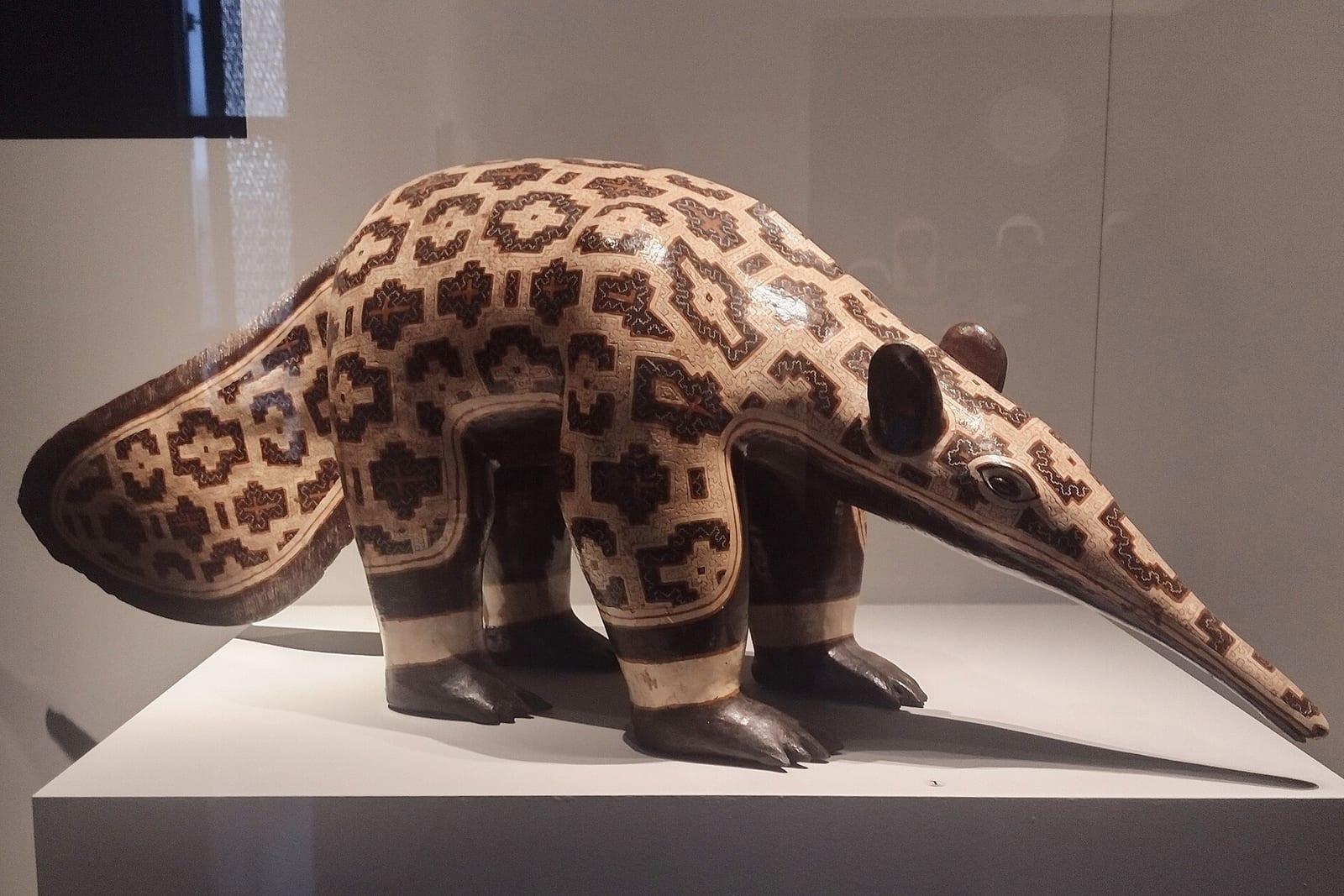
Photo: Simone Liliane · CC0 · via Wikimedia Commons
Ayahuasca has no single tradition. The brew is rooted in the practices of dozens of Indigenous Amazonian peoples, was reshaped by mestizo healers in the form known as vegetalismo, and was carried into Brazilian churches such as Santo Daime and the União do Vegetal in the twentieth century. These lineages differ in cosmology, music, structure, and intent, and treating them as interchangeable erases the very people who originated and steward the practice.
If you have started reading about ayahuasca, you have probably seen the names: Shipibo, Santo Daime, UDV, vegetalismo, curandero, icaro. They can blur together quickly. This page is a respectful map of the major traditions, what makes each distinct, and why the differences matter, especially the ethical question of who is owed credit, consent, and a share of the value that flows from these practices. For the basics of what the brew is and how it works, see our pillar on what ayahuasca is.
What "ayahuasca tradition" actually means
Ayahuasca is most commonly a decoction of the Banisteriopsis caapi vine combined with a DMT-containing plant, usually Psychotria viridis (chacruna), though many recipes and admixtures exist across the Amazon.[1] The vine and its uses long predate any written record. Western researchers only began documenting Indigenous ayahuasca practices in the early twentieth century, including the ethnographer Theodor Koch-Grünberg around 1903 and, later, the ethnobotanist Richard Evans Schultes.[2]
Two things follow from this. First, "ayahuasca tradition" is plural. Ritual use has always been dynamic and varied among Amazonian ethnic groups, and it continues to evolve.[3] Second, the practices that reach a Western audience today are usually filtered through more recent, often syncretic, forms. Knowing which form you are encountering, and where it came from, is part of approaching ayahuasca honestly.
Indigenous Amazonian traditions
There is no single Indigenous ayahuasca tradition. The brew features in the practices of many distinct peoples across Peru, Brazil, Colombia, Ecuador, and beyond, each with its own language, cosmology, songs, and ceremonial structure. For these communities, ayahuasca use is a form of traditional medicine and what scholars have called cultural psychiatry, woven into a much larger system of plant knowledge.[3] The Tukano peoples of the Colombian Amazon, documented by anthropologist Gerardo Reichel-Dolmatoff in the 1960s and 70s, are one well-studied example among many.[2]
The Shipibo-Conibo
The Shipibo-Conibo of the Peruvian Amazon are among the best known internationally, in part because of their icaros, the healing songs central to their ceremonies. In Shipibo practice, icaros are often described synaesthetically: melodic lines correspond to visual patterns or "paths" that a healer can follow, tighten, or weave, a concept that also appears in the geometric designs of Shipibo textiles.[4] Healers typically learn these songs through dieta, periods of seclusion and dietary restriction in which they apprentice with specific plants. (We cover the participant version of this in the ayahuasca dieta explained.)
This is one tradition, not the tradition. Naming it specifically, rather than calling everything "shamanic," is itself a small act of respect.
Ayahuasca rituals have always been dynamic and multiple, differing among ethnic groups in Amazonia and evolving over time.
Mestizo vegetalismo
In the Peruvian Amazon, especially around cities such as Iquitos and Pucallpa, a hybrid tradition known as vegetalismo emerged. Its practitioners, vegetalistas, hold that knowledge and healing power come directly from the plants themselves, which act as teachers.[5] Vegetalismo is explicitly syncretic, blending Indigenous healing practices with European herbalism, spiritism, and Christian elements.[3]
Much of what the wider world calls "ayahuasca shamanism" is, in practice, vegetalismo or something derived from it. The anthropologist Luis Eduardo Luna documented the tradition in the 1980s, including his influential 1986 study Vegetalismo: Shamanism Among the Mestizo Population of the Peruvian Amazon.[5] A vegetalista's icaros may draw on Spanish, Quechua, and other languages, and tend to be more freely improvised than some Indigenous song forms.[4] If you attend a ceremony at a retreat in Peru, this is frequently the lineage you will meet, sometimes alongside or blended with Shipibo practice.
The Brazilian syncretic churches
In the 1920s and 30s, in the Brazilian Amazonian states of Acre and Rondônia, ayahuasca moved into an entirely different setting: organised religion. The result was a family of syncretic churches that combine Catholicism, Afro-Brazilian religion, and Indigenous shamanic traditions, but in formally structured, congregational forms.[6]
Santo Daime
Santo Daime was founded by Raimundo Irineu Serra, known as Mestre Irineu, in Acre in the 1920s and 30s.[7] Its teachings are transmitted largely through hinos (hymns), sung collectively, which are intended to convey doctrine and guide the experience. Ceremonies (trabalhos, or "works") can involve participants in white or blue uniforms, singing in disciplined formation and, in some works, dancing (bailado) while playing maracas.[7] The sacrament itself is referred to as the Daime. Ayahuasca has been explicitly legal for religious use in Brazil since 1986, following official government study of the practice.[7]
União do Vegetal (UDV)
The União do Vegetal was founded on 22 July 1961 by José Gabriel da Costa, known as Mestre Gabriel.[8] Its doctrine blends Christianity with reincarnation and an emphasis on the soul's progress toward higher spiritual levels, drawing on Kardecist spiritism. UDV ceremonies differ markedly from Santo Daime's: they tend toward long periods of seated, silent attention and listening to teachings from elders, within a hierarchical structure in which more advanced teachings are reserved for senior members.[6] Members speak of the "communion of the Vegetal" rather than of a personal trip.
The UDV is also notable legally. In Gonzales v. O Centro Espírita Beneficente União do Vegetal (2006), the US Supreme Court ruled unanimously that the federal government could not, under the Religious Freedom Restoration Act, bar the church's sacramental use of ayahuasca.[9] Religious exemptions are narrow and jurisdiction-specific, though; for the general picture, see where ayahuasca is legal.
How the traditions differ, at a glance
Across these lineages, a few axes vary the most:
- Cosmology. Indigenous traditions are embedded in specific plant-and-spirit worldviews; vegetalismo centres plants as teachers; the Brazilian churches frame the experience within Christian and spiritist theology.
- Music. Improvised or patterned icaros sung by a healer in Amazonian and mestizo settings; collective hinos in Santo Daime; quieter, teaching-focused ceremonies in the UDV.
- Structure. A healer working with individuals or a small group, versus a congregation following a shared liturgy and, often, uniforms and formation.
- Intent. Healing and diagnosis in curandero traditions; communal worship and moral instruction in the churches.
What you will actually experience inside a ceremony depends heavily on the lineage. Our guide to what an ayahuasca ceremony feels like describes the common ground.
Reciprocity: who these traditions belong to
As ayahuasca has gone global, Indigenous peoples have voiced growing concern about the commercialisation of their knowledge and the pressures it creates. Many reject the uncontrolled commodification of their practices and call for expansion guided by respect, reciprocity, self-determination, and justice rather than colonial or purely commercial logic.[10] The non-profit ICEERS, among others, works on benefit-sharing models and on the ethical and legal questions raised by this expansion.[10]
There are concrete pressures behind the principle. Rising Western demand has affected the sustainability of the caapi vine and the accessibility of the medicine for local communities, who in some areas see plants harvested faster than they can regenerate.[11]
The future of ayahuasca and its global expansion must be built on respect, ethics and Indigenous self-determination.
For a newcomer, reciprocity is not abstract. It shows up in the questions you ask before booking: who leads the ceremonies and from which lineage, whether and how the centre supports the communities whose knowledge it draws on, and how it sources its plants. Our guides to choosing a retreat safely and the specific questions to ask an ayahuasca retreat turn these values into practical checks. Centres that are indigenous-led or that maintain genuine reciprocal relationships are not just an ethical preference; they are often a sign of deeper accountability.
Where to go from here
Understanding the traditions is one piece of researching responsibly. The next pieces are honest about risk and logistics: what the experience involves, who it is not suitable for, and how people make sense of it afterward. Good starting points are what to expect at a retreat and integration: making it last. You can also browse vetted organisations and support information on our resources page.
If anything you read here brings up distress, or you are in crisis, please reach out to local emergency services, or in the UK to Samaritans on 116 123. Researching a powerful experience should never come at the cost of your immediate wellbeing.
Sources
- [1]Ayahuasca (overview, botany and admixtures), Wikipedia, General reference for the Banisteriopsis caapi / Psychotria viridis composition and the diversity of recipes. ↩
- [2]Ayahuasca 'Plant Teachers' and the Work of Luis Eduardo Luna, Kahpi Ayahuasca Timeline, Historical context: Koch-Grünberg (1903), Schultes, Reichel-Dolmatoff, and Luna's vegetalismo research. ↩
- [3]Ayahuasca: Shamanism Shared Across Cultures, Cultural Survival, On the plurality and dynamism of Amazonian ayahuasca practice and its role as traditional medicine. ↩
- [4]Icaro, Wikipedia, Shipibo-Conibo icaros, their synaesthetic 'paths', the dieta, and how vegetalista icaros differ. ↩
- [5]Luis Eduardo Luna, Vegetalismo: Shamanism Among the Mestizo Population of the Peruvian Amazon (1986), overview, Foundational study of mestizo vegetalismo and the 'plants as teachers' concept around Iquitos and Pucallpa. ↩
- [6]História do UDV / Brazilian Ayahuasca Religions, Kahpi & academic overviews, Syncretic origins of the Brazilian churches and the doctrinal contrast between Santo Daime and the UDV. ↩
- [7]Santo Daime, Wikipedia, Founding by Mestre Irineu, hinos, uniforms and bailado, and 1986 religious legalisation in Brazil. ↩
- [8]History of the Ayahuasca Church UDV, União do Vegetal, Kahpi, Founding by José Gabriel da Costa (Mestre Gabriel) on 22 July 1961 and the church's structure and doctrine. ↩
- [9]Gonzales v. O Centro Espírita Beneficente União do Vegetal, 546 U.S. 418 (2006), Justia, US Supreme Court's unanimous ruling on the UDV's sacramental ayahuasca use under the Religious Freedom Restoration Act. ↩
- [10]Indigenous Peoples Speak Out on the Future of Ayahuasca, ICEERS, Indigenous concerns about commercialisation and the principles of respect, reciprocity, and self-determination. ↩
- [11]The Impacts of Ayahuasca Tourism, ICEERS, Sustainability pressures on the caapi vine and accessibility for local communities. ↩
Frequently asked questions
- What is the difference between Shipibo ayahuasca and Santo Daime?
- Shipibo practice is an Indigenous Amazonian healing tradition centred on a healer singing icaros to and for individuals, embedded in a specific plant-spirit worldview. Santo Daime is a twentieth-century Brazilian church that frames ayahuasca within Christian and spiritist theology, with collective hymns, uniforms, and sometimes dancing in a congregational setting.
- Is vegetalismo an Indigenous tradition?
- Vegetalismo is a mestizo (mixed-heritage) tradition from the Peruvian Amazon. It draws heavily on Indigenous plant knowledge but blends it with European herbalism, spiritism, and Christian elements, so it is best described as syncretic rather than purely Indigenous.
- What is the difference between Santo Daime and the UDV?
- Both are Brazilian syncretic churches, but they differ in doctrine and ceremony. Santo Daime emphasises sung hymns and, in some works, dancing in uniform, while the UDV centres on long periods of seated, silent attention and teachings from elders within a more hierarchical structure influenced by Kardecist spiritism.
- Is ayahuasca legal because of these religious traditions?
- In some places, partly. Ayahuasca has been legal for religious use in Brazil since 1986, and in 2006 the US Supreme Court protected the UDV's sacramental use under the Religious Freedom Restoration Act. These exemptions are narrow and jurisdiction-specific and do not make ayahuasca generally legal.
- Why does it matter which tradition a retreat follows?
- Different lineages shape the music, structure, and intent of a ceremony, so they affect what you will experience. The tradition behind a centre, and how it relates to the communities whose knowledge it draws on, is also an ethical and accountability signal worth asking about before booking.
- What does reciprocity with Indigenous communities mean in practice?
- It means the expansion of ayahuasca should respect Indigenous self-determination and share value with originating communities rather than simply extracting their knowledge and plants. For a participant, it shows up in asking who leads ceremonies, how a centre supports source communities, and how it sources its plants sustainably.
What to read next
The medicine
Ayahuasca Visions: What People Actually See (and Why)
Ayahuasca visions explained: geometry, serpents, ancestors, life review, why they vary, why many see little, and the neuroscience, honestly framed.
· 8 min read
The medicine
10 Common Ayahuasca Myths and Misconceptions
Ten common ayahuasca myths, corrected with honest, sourced facts: cure claims, "natural means safe," visions, purging, addiction, legality and more.
· 7 min read
The medicine
What Does an Ayahuasca Ceremony Actually Feel Like?
An honest, vivid walk-through of an Ayahuasca ceremony, setting, the brew, onset, visions, the purge, icaros, and the comedown, and why it varies so much.
· 9 min read