How to Prepare for Your First Ayahuasca Ceremony
A calm, honest first-timer's guide to preparing for an ayahuasca ceremony: intention, the dieta, medications, readiness, logistics and integration.
By Elena Marsh
·
8 min read
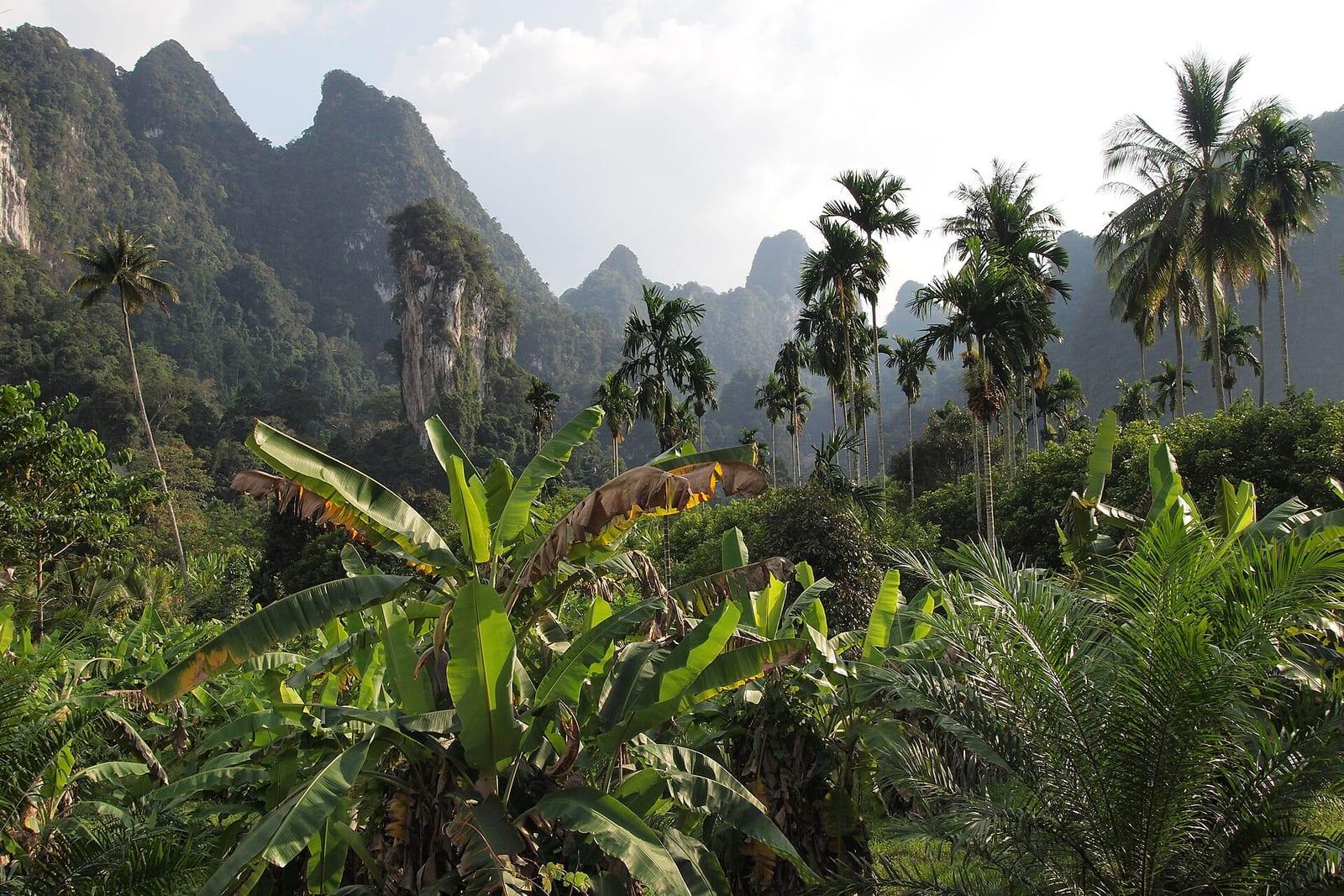
Photo: Vyacheslav Argenberg · CC BY 4.0 · via Wikimedia Commons
Preparing well is the single biggest thing within your control. In the weeks before a first ayahuasca ceremony, that means settling your intention, following the dietary and lifestyle guidelines (the dieta) your retreat sends, working through every medication and health question with a qualified prescriber, and choosing a centre that screens you honestly. The goal is not to be fearless. It is to arrive informed, rested, supported, and clear about why you are there.
Good preparation does two things at once. It lowers real physical risk, and it shapes the quality of the experience itself. Large surveys of ayahuasca drinkers consistently find that people who prepare adequately, and who feel emotionally and physically safe in the ceremony space, report better wellbeing outcomes and fewer difficulties afterwards.[1] None of that requires you to be a seasoned psychonaut. It requires honesty, a little patience, and a centre that treats your safety as seriously as you do.
If you are still deciding whether this is for you at all, start with what ayahuasca actually is and read who should not take ayahuasca before anything else.
Start with your intention, not your expectations
The most useful preparation is mental, and it begins with a simple, honest question: why do you want to do this? An intention is not a wish for a specific vision or outcome. It is a direction, something like wanting to understand a pattern in your life, to grieve, to face anxiety, or simply to see clearly. Researchers who have studied thousands of participants note that people who arrive with a therapeutic motivation often gain real insight, but they also tend to find integration harder, partly because they often start from a more difficult place.[1] Knowing your "why" helps you and your facilitators support you well.
Just as important is loosening your expectations. Ceremonies are unpredictable. Some are gentle, some are physically and emotionally demanding, and a quiet night with little to report is normal and not a failure. Reading what an ayahuasca ceremony feels like beforehand can replace anxious guesswork with realistic expectations.
The dieta: what the centre will ask you to do
Almost every reputable retreat sends a preparation protocol, often called the dieta, usually starting one to two weeks before you arrive and continuing for a period afterward. The specifics vary by tradition and centre, so follow their written guidance rather than a generic checklist. In broad terms, the dieta typically asks you to move toward simple, fresh, lightly seasoned food and away from heavily processed meals, and to reduce or remove things like alcohol, recreational drugs, and excess caffeine and sugar.
There is a pharmacological reason behind some of this, not just tradition. Ayahuasca contains compounds that act as monoamine oxidase inhibitors (MAOIs), and MAOIs can interact dangerously with tyramine, a substance found in aged, fermented, and cured foods, potentially raising blood pressure.[2] That is one reason centres restrict certain foods. The dieta also lightens the body and sharpens sensitivity, and many people find the discipline itself a helpful way to arrive focused and calm. Our full guide, the ayahuasca dieta explained, covers the reasoning in more depth.
Medications and health conditions: a conversation, not a checklist
This is the part you must not improvise. Several common medications can interact seriously with ayahuasca. The clearest documented danger is with antidepressants. There is a published case of serotonin syndrome in someone who combined the SSRI fluoxetine with ayahuasca, and certain antidepressants and ayahuasca both raise serotonin activity, while some ayahuasca compounds may slow the breakdown of these drugs.[2] Other MAOI medications combined with ayahuasca can risk a hypertensive crisis.[2] Heart conditions, high blood pressure, and a personal or family history of psychosis or bipolar disorder are also widely treated as serious concerns.
What you should not do is stop a prescribed medication on your own. Some require careful, supervised tapering over weeks, and stopping abruptly carries its own real risks. The only safe path is to discuss your full medication list and medical history with the prescriber who manages it, and separately with the retreat's screening team, well in advance. Neither this article nor any retreat can tell you that you are "cleared" to participate. That judgement belongs to qualified clinicians who know your case.
If you live with a serious mental-health condition, this needs particular care. A subset of participants experience extreme fear or panic during sessions, and that has been linked to poorer outcomes, especially without good support and integration afterward.[3] If you are currently in crisis or having thoughts of harming yourself, an intense psychedelic experience is not the answer, and you deserve immediate support. In the UK you can call Samaritans free on 116 123, at any hour.
Physical and emotional readiness
You do not need to be an athlete, but arriving rested matters. In the days before, prioritise sleep, gentle movement, hydration, and time away from screens and noise. Many people find that journalling, walking, meditation, or simply slowing down helps them settle.
It also helps to expect the physical reality honestly. Vomiting and nausea are extremely common, reported by the large majority of participants in studies, along with effects like diarrhoea, trembling, and dizziness; most are transient and self-limited.[4] In these traditions this is often called "the purge" and is treated as part of the process rather than a side effect. Knowing this in advance makes it far less frightening; the ayahuasca purge explained walks through what it involves.
Most physical reactions to ayahuasca are transient and self-limited; in one large study only a small fraction of participants ever required medical assistance.
Emotional readiness is less about toughening up and more about willingness: willingness to feel discomfort, to be supported, and to not be in control for a few hours. If you tend to need control, naming that to yourself and your facilitators beforehand is genuine preparation.
Choosing the right centre and settling logistics
Where and with whom you sit matters enormously. The single most consistently protective factor in the research is a felt sense of emotional and physical safety in the ceremony space.[1] A trustworthy centre screens participants carefully (a retreat that asks no health questions is a red flag), has clear emergency procedures, maintains a sane ratio of facilitators to participants, and is transparent about lineage and cost. Our pillar on how to choose a retreat safely and our list of questions to ask an ayahuasca retreat are the place to start.
Settle the practical questions before you commit:
- Legality. Ayahuasca's legal status varies widely by country. Understand it for your destination; see where ayahuasca is legal.
- Cost and what is included. Know the full price, refund policy, and what travel, food, and accommodation involve. How much an ayahuasca retreat costs breaks this down.
- Screening. Confirm how they assess medical and psychological suitability, and give them complete, honest information. Withholding a condition to get accepted puts you at risk, not them.
- Aftercare. Ask what integration support they offer once ceremonies end.
Plan your integration before you go
Preparation does not stop when the ceremony does. People who struggle to make sense of the experience afterward tend to report worse wellbeing, while structured reflection and support are linked to better, longer-lasting outcomes.[3] Practically, that means protecting quiet time in the days after, going easy on big decisions, and ideally lining up support such as a therapist familiar with this work, an integration circle, or trusted people who will listen without judgement. Our guide to making it last covers this in depth, and the first days afterward is worth reading before you travel, not after.
Ayahuasca is not a casual undertaking, and it is not for everyone. But for those it genuinely suits, the weeks of careful preparation are rarely wasted. They are where most of the safety, and much of the value, is actually built. For broader context as you weigh the decision, read the benefits and risks honestly, and remember that none of this replaces advice from a qualified clinician who knows you. Further reading and support links live on our resources page.
Sources
- [1]Perkins et al. (2021), Influence of Context and Setting on Mental Health Outcomes of Ayahuasca Drinkers, Frontiers in Pharmacology, Large international survey (6,877 drinkers) finding preparation and a sense of safety predict better outcomes. ↩
- [2]Ruffell et al. (2020), The pharmacological interaction of compounds in ayahuasca: a systematic review, Brazilian Journal of Psychiatry / King's College London, Documents the MAOI mechanism, SSRI/serotonin syndrome risk, and tyramine/hypertensive-crisis interaction. ↩
- [3]Perkins et al. (2021), Influence of Context and Setting (integration and challenging experiences), Frontiers in Pharmacology, Same survey; links difficult-to-integrate and extremely fearful experiences to poorer wellbeing. ↩
- [4]Durante et al. (2021), Risk assessment of ayahuasca use in a religious context, Brazilian Journal of Psychiatry, 614 UDV participants; vomiting/nausea very common, most effects transient, only ~1.5% needed medical help. ↩
- [5]Sarris et al. (2021), Ceremonial Ayahuasca in Amazonian Retreats: Mental Health and Epigenetic Outcomes, Frontiers in Psychiatry, Six-month naturalistic study on preparation, integration and mental-health outcomes in retreat settings. ↩
- [6]Samaritans (UK) crisis support, Free, 24/7 emotional support in the UK and Ireland; call 116 123. ↩
Frequently asked questions
- How long before an ayahuasca ceremony should I start preparing?
- Most reputable centres send a dieta that begins one to two weeks before you arrive and continues for a period afterward. Medication and health questions should be raised with your prescriber even earlier, since some drugs require weeks of supervised tapering before they are out of your system.
- What should I eat before an ayahuasca ceremony?
- Follow your centre's specific written guidance. In general the dieta moves you toward simple, fresh, lightly seasoned food and away from heavily processed meals, alcohol, and aged or fermented foods. The food restrictions partly reflect a real interaction between ayahuasca's MAOI compounds and tyramine in aged foods.
- Can I take ayahuasca if I'm on antidepressants?
- This is a serious safety question you must take to the prescriber who manages your medication, not decide alone. Some antidepressants can interact dangerously with ayahuasca, and there is a documented case of serotonin syndrome. Never stop a prescribed medication without medical supervision, as abrupt discontinuation carries its own risks.
- Will I throw up during an ayahuasca ceremony?
- Quite possibly. Vomiting and nausea are reported by the large majority of participants in studies and are often called the purge in these traditions. It is usually transient, treated as part of the process, and most adverse effects resolve on their own.
- How do I prepare mentally for ayahuasca?
- Set a clear, honest intention for why you are there, hold it lightly rather than demanding a specific outcome, and practise willingness to feel discomfort and not be in control for a few hours. Reading honest accounts of what a ceremony involves beforehand replaces anxious guesswork with realistic expectations.
- What if I'm in a mental-health crisis or feeling unsafe?
- An intense psychedelic experience is not the right step if you are currently in crisis or having thoughts of self-harm. Reach out for immediate support first; in the UK you can call Samaritans free on 116 123 at any time, or contact your local emergency services.
What to read next
Choosing a retreat
Ayahuasca Aftercare: The First Days and Weeks Home
Ayahuasca aftercare for the first days and weeks home: rest, gentle diet, sleep, emotional volatility, postponing big decisions, and when to see a clinician.
· 8 min read

Choosing a retreat
Where Is Ayahuasca Legal? A Country-by-Country Overview
Is Ayahuasca legal? A clear, well-sourced country-by-country overview of DMT laws, the UN treaty, religious exemptions and grey zones. Not legal advice.
· 7 min read
Choosing a retreat
Ayahuasca Integration: How to Make the Insights Last
Ayahuasca integration turns ceremony insight into lasting change. Practices, circles, coaches, red flags, and when to see a licensed therapist, honestly.
· 8 min read