Is Ayahuasca Legal in the UK?
Ayahuasca is effectively illegal in the UK because it contains DMT, a Class A drug under the Misuse of Drugs Act 1971. There is no recognised religious or ceremonial exemption, and the Court of Appeal
By Elena Marsh
·
7 min read
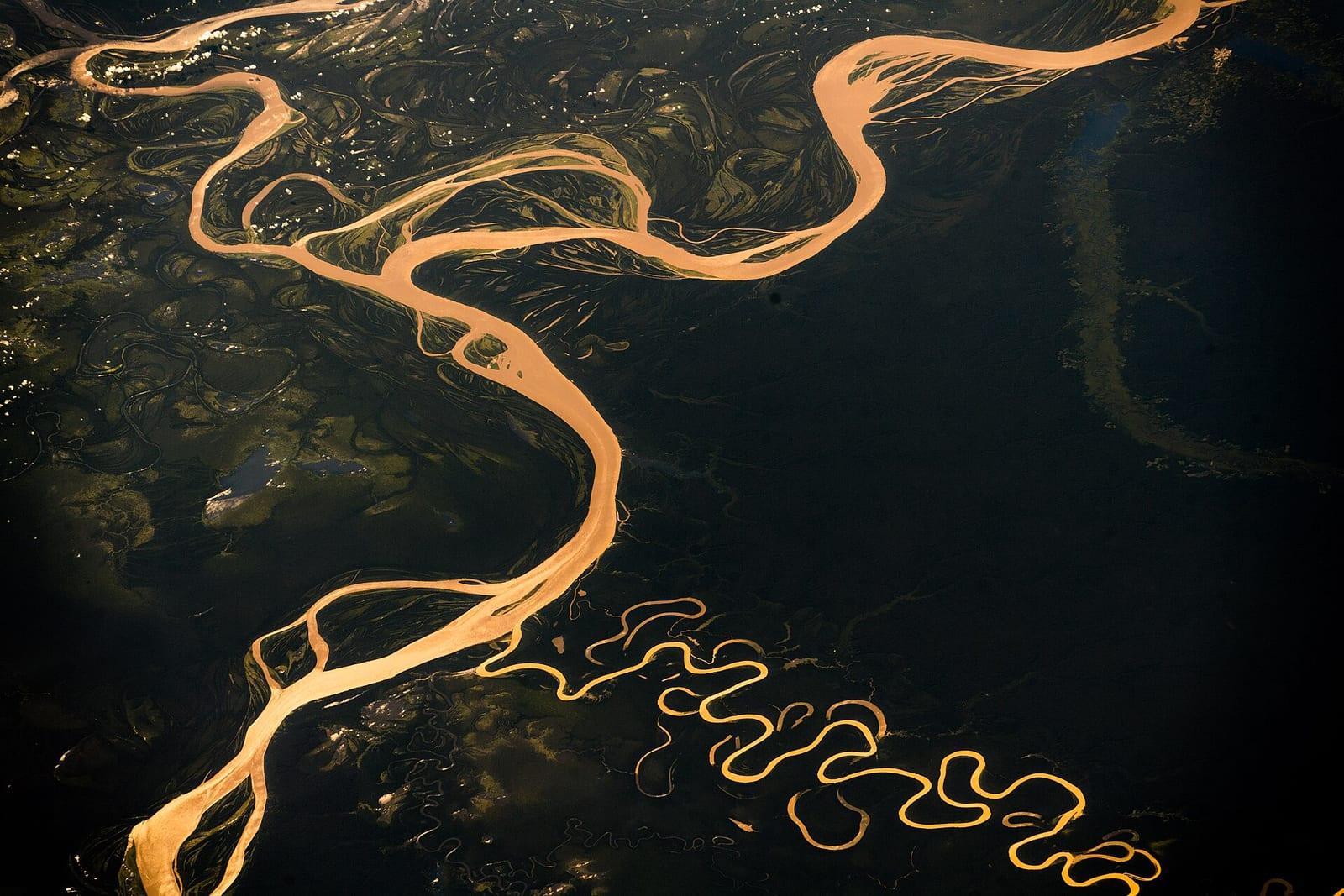
Photo: Alexander Gerst · CC BY-SA 2.0 · via Wikimedia Commons
In the UK, ayahuasca is effectively illegal. It contains DMT (N,N-dimethyltryptamine), which is a Class A controlled drug under the Misuse of Drugs Act 1971, the most serious classification in British law. There is no recognised religious or ceremonial exemption, and the courts have refused to create one. This page explains the law plainly. It is general information, not legal advice.
Is ayahuasca legal in the UK?
The short answer is no. Ayahuasca is not named by itself in UK drug law, but it contains DMT, and DMT is listed as a Class A drug under the Misuse of Drugs Act 1971.[1] Because a brew or preparation containing a controlled substance is itself caught by the Act, ayahuasca is treated as a Class A preparation. That puts it in the same legal category as heroin, cocaine, and LSD.
Class A is the highest tier of control. The law makes it an offence to possess, produce, supply, or import these substances. The penalties are severe: possession of a Class A drug carries a maximum of seven years in prison and an unlimited fine, while production, supply, or importation can carry a maximum sentence of life imprisonment.[2]
If you want to understand what the substance actually is before reading further, our explainer on what ayahuasca is covers the basics, and our piece on the difference between ayahuasca, DMT, and pharmahuasca explains why the DMT content is the legal pivot point.
Why ayahuasca is Class A even though it is a plant brew
Ayahuasca is traditionally made by combining two Amazonian plants: a vine and a leaf. One of those plants contains DMT. The vine on its own does not.[3] UK law does not care whether a controlled substance arrives as a synthetic powder or as a naturally occurring component of a plant preparation. What matters is whether the preparation contains a scheduled drug. Because the finished brew contains DMT, it is treated as a Class A preparation regardless of its botanical origin or ceremonial use.[3]
This is a common point of confusion. People sometimes assume that because a plant is "natural" or "traditional," it sits outside drug law. In the UK, that is not how the Misuse of Drugs Act works.
Ayahuasca is not specifically prohibited, but activities involving it are caught because it contains DMT.
Is there a religious or ceremonial exemption?
No religious exemption has been recognised in practice in England and Wales.[3] This is one of the clearest points in UK ayahuasca law, and it is also one of the most misunderstood, because the situation in some other countries is different.
The leading case is R v Aziz [2012] EWCA Crim 1063, the only case in which the legality of ayahuasca has been tested in the English courts. The defendant, a practitioner who supplied ayahuasca to others in a ceremonial context, was treated as having produced and supplied a Class A drug.[4] He argued that prosecuting him breached Article 9 of the European Convention on Human Rights, which protects freedom of religion. The Court of Appeal rejected this argument firmly, holding that if a religious group, however well established, adopts a deliberately unlawful act as part of its rituals, the fact that it is part of a religious ceremony does not make it lawful.[4]
There is one frequently cited episode that adds nuance. In 2010, members of a UK Santo Daime church were arrested and had their ayahuasca seized. In 2012, the prosecution was discontinued because there was judged to be insufficient evidence for a realistic prospect of conviction.[3] It is important to read this correctly: a discontinued prosecution is not the same as a legal exemption. The substance remained controlled, and the decision not to proceed in one case did not change the law or create a precedent that ceremonial use is lawful.[3]
What about the Psychoactive Substances Act 2016?
The Psychoactive Substances Act 2016 introduced a blanket ban on producing, supplying, importing, or exporting psychoactive substances.[6] Substances already controlled under the Misuse of Drugs Act, including DMT, are excluded from this newer Act, because they are already illegal under the older one.[6] In other words, the 2016 Act does not soften ayahuasca's status; the older, stricter law continues to apply.
One technical detail is worth understanding. The 2016 Act does not, in general, criminalise simple possession, only supply-related activities.[6] But this offers no comfort in the ayahuasca context, because ayahuasca is governed by the Misuse of Drugs Act, under which possession of a Class A drug is itself an offence.
Possession of a Class A drug carries up to seven years in prison; production and supply can carry life imprisonment.
Prosecutions and enforcement in context
UK prosecutions specifically targeting ayahuasca are uncommon, and most attention has focused on people supplying it to others rather than on individual participants.[4] The Aziz case is the most prominent example, and it involved a practitioner who supplied the brew in a ceremonial setting.[4]
It would be misleading to read low prosecution numbers as a sign that ayahuasca is tolerated or quietly legal. The legal position is unambiguous: it is a Class A substance, and importing it, which is how it would typically reach the UK, is among the offences that can attract the most serious penalties.[2] Enforcement priorities can change, and rarity of prosecution is not legal protection.
Practical takeaways for a first-time reader
If you are researching ayahuasca in the UK, a few things follow from the law as it stands:
- Possession, importing, supplying, and producing ayahuasca are all offences in the UK. Importing and supplying are the most serious.
- Being part of a church or ceremony does not provide a legal defence, as the Aziz case made clear.[4]
- The legal picture differs sharply by country. Many people who pursue ayahuasca legally do so by travelling to countries where its ceremonial use is permitted or tolerated, such as parts of South America.[7] Legal status varies widely and changes over time, so you should always check the destination's own laws directly. If you go that route, the questions to ask a retreat and our guide to choosing a retreat safely are good starting points.
This is also why legality and safety are separate questions. Even where ayahuasca is legal, it carries real medical and psychological risks, and it interacts dangerously with some common medications. If you are weighing it up, read about the safety and contraindications and about ayahuasca and antidepressants before anything else.
A note on what this page is and is not
This article is general legal information to help you understand the landscape. It is not legal advice, and it cannot account for your specific circumstances. UK drug law is interpreted case by case, and statutes and enforcement guidance can change over time. If you need to understand how the law applies to your situation, consult a qualified solicitor. For broader harm-reduction and legal-information organisations, see our resources page.
Sources
- [1]Misuse of Drugs Act 1971 (full text), Primary legislation controlling DMT as a Class A drug in the UK. ↩
- [2]List of most commonly encountered controlled drugs and penalties, GOV.UK, Confirms DMT as Class A and the maximum penalties for possession, supply, and production. ↩
- [3]England and Wales legal overview, ICEERS, Specialist legal NGO analysis of ayahuasca's status, the Santo Daime case, and the absence of religious exemption. ↩
- [4]R v Aziz [2012] EWCA Crim 1063 (England and Wales legal overview, ICEERS), The only case testing ayahuasca's legality in the English courts; the Court of Appeal rejected the Article 9 ECHR religious-freedom argument, holding that a 'deliberately unlawful act' is not made lawful by being part of a religious ceremony. ↩
- [5]Gonzales v. O Centro Espirita Beneficente Uniao do Vegetal (2006), Oyez, US Supreme Court decision allowing one church's sacramental ayahuasca use; cited for contrast with the UK position. ↩
- [6]Psychoactive Substances Act 2016 (full text), Blanket ban on psychoactive substances; excludes drugs already controlled under the Misuse of Drugs Act. ↩
- [7]Ayahuasca and the Law, ICEERS, Specialist legal NGO overview of how ayahuasca's legal status varies internationally, with the reminder to check each country's own laws. ↩
Frequently asked questions
- Is ayahuasca a Class A drug in the UK?
- Ayahuasca is not named individually in UK law, but it contains DMT, which is a Class A drug under the Misuse of Drugs Act 1971. A preparation containing a controlled substance is treated as that substance, so ayahuasca is effectively Class A.
- Can I drink ayahuasca legally in the UK for religious or spiritual reasons?
- No. UK courts have refused to recognise a religious exemption. In R v Aziz [2012] EWCA Crim 1063, the Court of Appeal held that a deliberately unlawful act adopted as part of a religious ritual is not made lawful by being part of a ceremony. This differs from the US, where one church has a specific exemption.
- What are the penalties for ayahuasca offences in the UK?
- As a Class A substance, possession can carry up to seven years in prison and an unlimited fine. Producing, supplying, or importing can carry a maximum of life imprisonment. Importing, the usual route into the UK, is among the most serious offences.
- Does the Psychoactive Substances Act 2016 make ayahuasca legal?
- No. The 2016 Act bans psychoactive substances but excludes those already controlled under the Misuse of Drugs Act, including DMT. The older, stricter law continues to apply to ayahuasca.
- Were the Santo Daime church members in the UK let off?
- A 2010 case against UK Santo Daime members was discontinued in 2012 due to insufficient evidence for a realistic prospect of conviction. That is not a legal exemption; the substance remained controlled and the law did not change.
- Where is ayahuasca legal if not the UK?
- Its status varies internationally. Some countries permit or tolerate ceremonial use, which is why many people travel abroad. If you consider this, research the destination's laws and the retreat carefully, and remember legality and safety are separate questions.
What to read next
Choosing a retreat
Ayahuasca Aftercare: The First Days and Weeks Home
Ayahuasca aftercare for the first days and weeks home: rest, gentle diet, sleep, emotional volatility, postponing big decisions, and when to see a clinician.
· 8 min read
Choosing a retreat
Where Is Ayahuasca Legal? A Country-by-Country Overview
Is Ayahuasca legal? A clear, well-sourced country-by-country overview of DMT laws, the UN treaty, religious exemptions and grey zones. Not legal advice.
· 7 min read
Choosing a retreat
Ayahuasca Integration: How to Make the Insights Last
Ayahuasca integration turns ceremony insight into lasting change. Practices, circles, coaches, red flags, and when to see a licensed therapist, honestly.
· 8 min read