How Much Does an Ayahuasca Retreat Cost?
Realistic Ayahuasca retreat costs by region and length, what drives price, hidden fees and deposits, and why price does not equal safety.
By Elena Marsh
·
7 min read
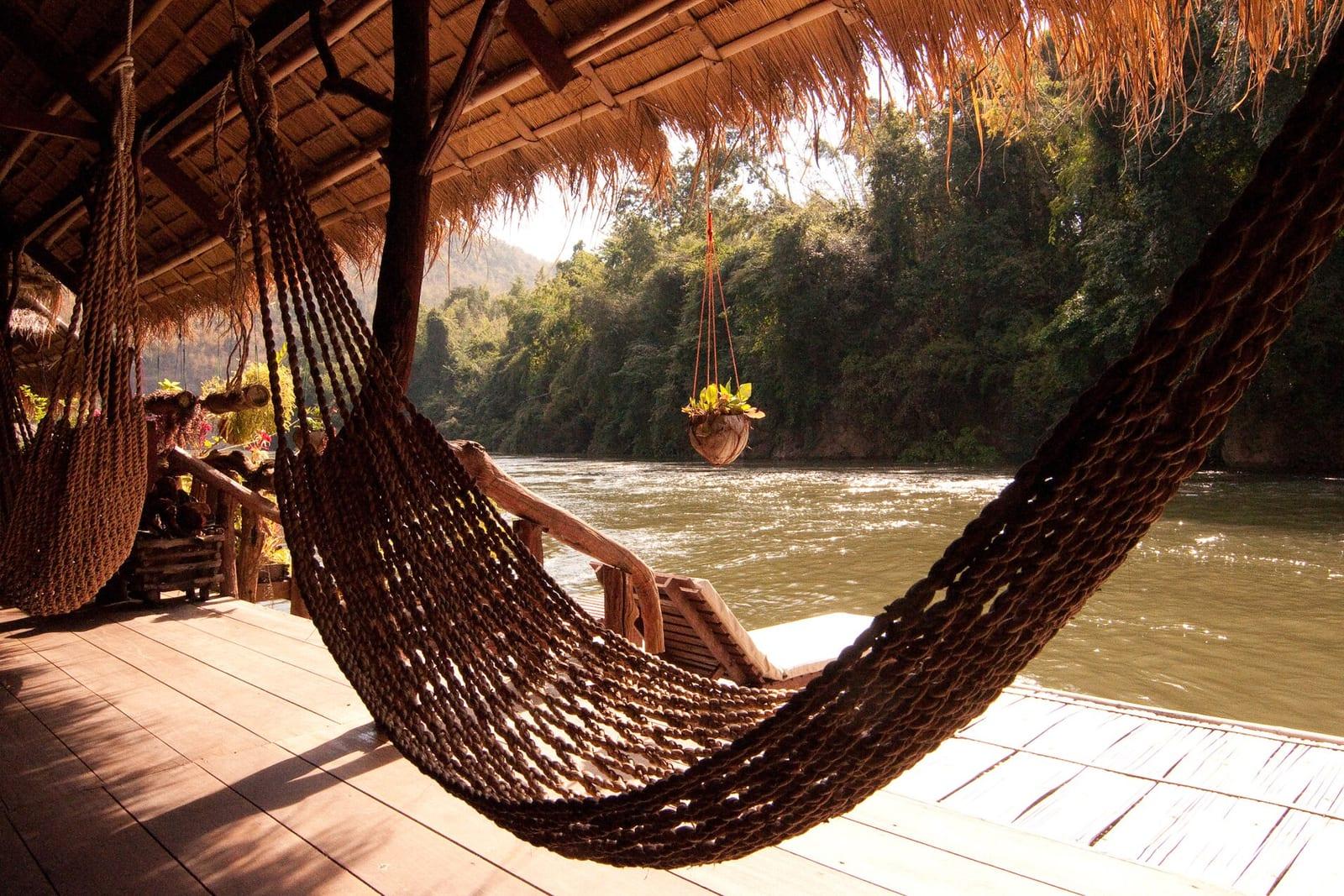
Photo: Mark Fischer · CC BY-SA 3.0 · via Wikimedia Commons
Most week-long Ayahuasca retreats cost somewhere between roughly US$1,000 and US$5,000, with the majority of established centres in Peru sitting around US$1,500–US$3,500 and retreats in North America and Western Europe often running higher. But the single most important thing to understand about that range is this: price tells you very little about safety. A cheap retreat can be reckless, and an expensive one can be just as unsafe, sometimes more so, because the polish hides the gaps.
How much does an Ayahuasca retreat cost on average?
There is no one number, and anyone who gives you a single figure is simplifying. Pricing varies enormously by country, length of stay, group size, and what is actually included. As broad, real-world ranges for a standard 5–7 night retreat:
- Peru (the Amazon basin): roughly US$1,000–US$3,500 for a week at most reputable jungle centres, with luxury or highly medicalised programmes reaching US$5,000+. Peru is generally the lowest-cost region because it is the traditional heartland and operating costs are lower.
- Costa Rica, Colombia, Ecuador, Brazil: broadly US$1,500–US$6,000+ for a week. Costa Rica in particular tends to run noticeably higher than Peru for a comparable stay.
- North America and Western Europe (where legal or in legal-grey contexts): often US$2,000–US$7,000+, reflecting higher staffing, facility, and compliance costs.
Shorter weekend ceremonies can start lower, sometimes a few hundred dollars, but a single night gives you no time for preparation, screening, or integration, all of which matter a great deal. Treat very short, very cheap offers with extra caution.
What actually drives the price
Four factors explain most of the variation between a US$1,200 retreat and a US$5,000 one.
Duration. More nights mean more ceremonies, meals, lodging, and staff time. A 10-day programme will cost more than a 4-day one, but longer is not automatically better. What matters is whether the extra days are used for proper preparation and integration, not just more ceremonies stacked back to back.
Group size and staffing ratio. A retreat with six guests and three experienced facilitators costs more to run than one with twenty guests and a single facilitator. The smaller ratio is usually safer: someone can attend to you if you have a difficult night. This is one cost difference that often genuinely reflects care.
Medical and psychological support. Centres that conduct thorough health screening, have medical personnel or clear emergency protocols, and offer real integration support carry higher overheads. Screening is not a formality, Ayahuasca raises heart rate and blood pressure, and it interacts dangerously with many medications, especially antidepressants such as SSRIs and MAOIs. Skipping screening to cut costs is exactly the kind of saving you do not want.
Location and accommodation. Remote Amazonian lodges, private rooms, ensuite bathrooms, and curated food all add up. Much of the gap between mid-range and "luxury" pricing is comfort, not safety.
Price is a signal about comfort and overheads. It is not a reliable signal about safety.
Why price does not equal safety
This is the part most pricing guides skip, and it is the part that matters most.
Cheap can be unsafe. A rock-bottom price often means cut corners: no medical screening, untrained or unvetted facilitators, large groups with no one watching, no plan if something goes wrong. The recognised risk factors for adverse events, taking Ayahuasca in an unsupervised setting, with an undisclosed health condition, or while on interacting medication, cluster in exactly these environments. [2]
Expensive can be unsafe too. A high price buys nicer rooms and better marketing. It does not guarantee that facilitators are experienced, that screening is real, or that there is a genuine emergency plan. Some of the most polished, costly retreats have weak safeguards behind the brochure. A 2026 JAMA Network Open study of 49 publicly advertised psychedelic retreat organisations found that while most collected medical histories and asked guests to stop certain medications, practices varied widely and the sector still carries real potential for physical, psychological, and interpersonal harm. [3] Money does not standardise care.
So how do you judge safety? Not by the price tag, but by what the centre actually does: how rigorously it screens, who the facilitators are and how they were trained, the guest-to-staff ratio, emergency protocols, and how it handles consent and aftercare. Our pillar on how to choose a retreat safely and our list of questions to ask an Ayahuasca retreat walk through this in detail. If you have a heart condition, a mental-health history, or take any regular medication, read who should not take Ayahuasca and discuss it with your own clinician and the retreat, never assume a price band implies you have been cleared.
Hidden costs, deposits, and refunds
The headline price is rarely the full price. Budget realistically for the extras.
- Flights and travel to a remote Amazonian or rural location, often including an internal flight plus a boat or long road transfer.
- Travel insurance, visas, vaccinations, and any pre-retreat medical checks.
- Pre-retreat dieta items, many centres ask you to follow a restricted diet before and after, which may mean buying specific foods or supplements.
- Optional add-ons, extra ceremonies, private rooms, additional bodywork or massage, airport pickups.
- Tips and reciprocity for facilitators and staff, which are customary at many centres.
On bookings, read the fine print before you pay anything:
- Deposits are usually non-refundable and can be a substantial share of the total.
- Refund and cancellation policies vary widely. Find out what happens if you cancel, if the centre cancels, or, importantly, if you are turned away or asked to stop ceremonies for medical or safety reasons after screening. A responsible centre may decline you; understand the financial implications in advance.
- Currency and payment method can add fees; some centres ask for cash on arrival for part of the balance.
So what should you budget?
A reasonable planning figure for many people is US$2,000–US$4,000 all-in for a week in South America, including flights and incidentals, and more if you choose a higher-cost region or a longer or more medicalised programme. But hold the number loosely. The better question is not "what is the cheapest retreat?" or "what is the most exclusive?", it is "which retreat screens me honestly, staffs the ceremony properly, and will look after me if the night gets hard?" Decide on safety first. Then let your budget choose among the safe options, not the other way round.
If you are still early in your research, start with what Ayahuasca is and what to expect at a retreat before you compare prices.
Sources
- [1]Bouso et al., Adverse effects of Ayahuasca: Results from the Global Ayahuasca Survey, PLOS Global Public Health (2022), Survey of 10,000+ users; identifies non-supervised settings, undisclosed health conditions and interacting medication as adverse-event risk factors. ↩
- [2]Reported Safety Practices of Publicly Advertised Psychedelic Retreats, JAMA Network Open (2026), Study of 49 advertised psychedelic retreat organisations; screening and medication-cessation practices varied widely and harms remain possible. ↩
- [3]ICEERS, Legal status of Ayahuasca in the United States, DMT is Schedule I under the Controlled Substances Act; covers UDV and Santo Daime religious exemptions. ↩
- [4]US DEA, Controlled Substances Act scheduling, Federal classification placing DMT in Schedule I. ↩
- [5]Legal status of Ayahuasca by country, overview, General reference for country-by-country legal variation; verify against primary government sources before travel. ↩
Frequently asked questions
- How much does a week-long Ayahuasca retreat cost?
- Roughly US$1,000–US$5,000 for 5–7 nights. Most established centres in Peru fall around US$1,500–US$3,500, while retreats in North America and Western Europe often cost more. Always think in ranges, not a single figure.
- Why are Ayahuasca retreats in Costa Rica or the US more expensive than in Peru?
- Higher staffing, facility, food, and compliance costs, plus the fact that Peru is the traditional, lower-cost heartland. A higher price often buys comfort and convenience rather than greater safety.
- Does a more expensive retreat mean it is safer?
- No. Price signals comfort and overheads, not safety. Some costly retreats have weak screening or thin emergency plans, and some affordable ones are well run. Judge safety by screening rigour, facilitator experience, staff ratio, and emergency protocols instead.
- What hidden costs should I budget for?
- Flights and transfers to remote locations, travel insurance, visas, pre-retreat diet items, optional add-ons like private rooms, and customary tips for staff. The headline price is rarely the full price.
- Are deposits and payments refundable?
- Often not. Deposits are usually non-refundable, and cancellation policies vary widely. Check what happens if you cancel, the centre cancels, or you are declined for medical or safety reasons after screening, before you pay.
- Is it cheaper to do Ayahuasca outside a retreat?
- Doing so outside a screened, supervised setting removes the safeguards that most reduce risk, and it is illegal in many countries, including the US and UK. Cost should not be the deciding factor; a proper setting with screening and trained facilitators is far more important.
What to read next
Choosing a retreat
Ayahuasca Aftercare: The First Days and Weeks Home
Ayahuasca aftercare for the first days and weeks home: rest, gentle diet, sleep, emotional volatility, postponing big decisions, and when to see a clinician.
· 8 min read
Choosing a retreat
Where Is Ayahuasca Legal? A Country-by-Country Overview
Is Ayahuasca legal? A clear, well-sourced country-by-country overview of DMT laws, the UN treaty, religious exemptions and grey zones. Not legal advice.
· 7 min read
Choosing a retreat
Ayahuasca Integration: How to Make the Insights Last
Ayahuasca integration turns ceremony insight into lasting change. Practices, circles, coaches, red flags, and when to see a licensed therapist, honestly.
· 8 min read