What to Bring to an Ayahuasca Retreat: A Practical Packing Guide
A first-timer's practical ayahuasca retreat packing list: comfortable clothes, warm layers, headlamp, journal, unscented toiletries, and what to leave home.
By Elena Marsh
·
7 min read
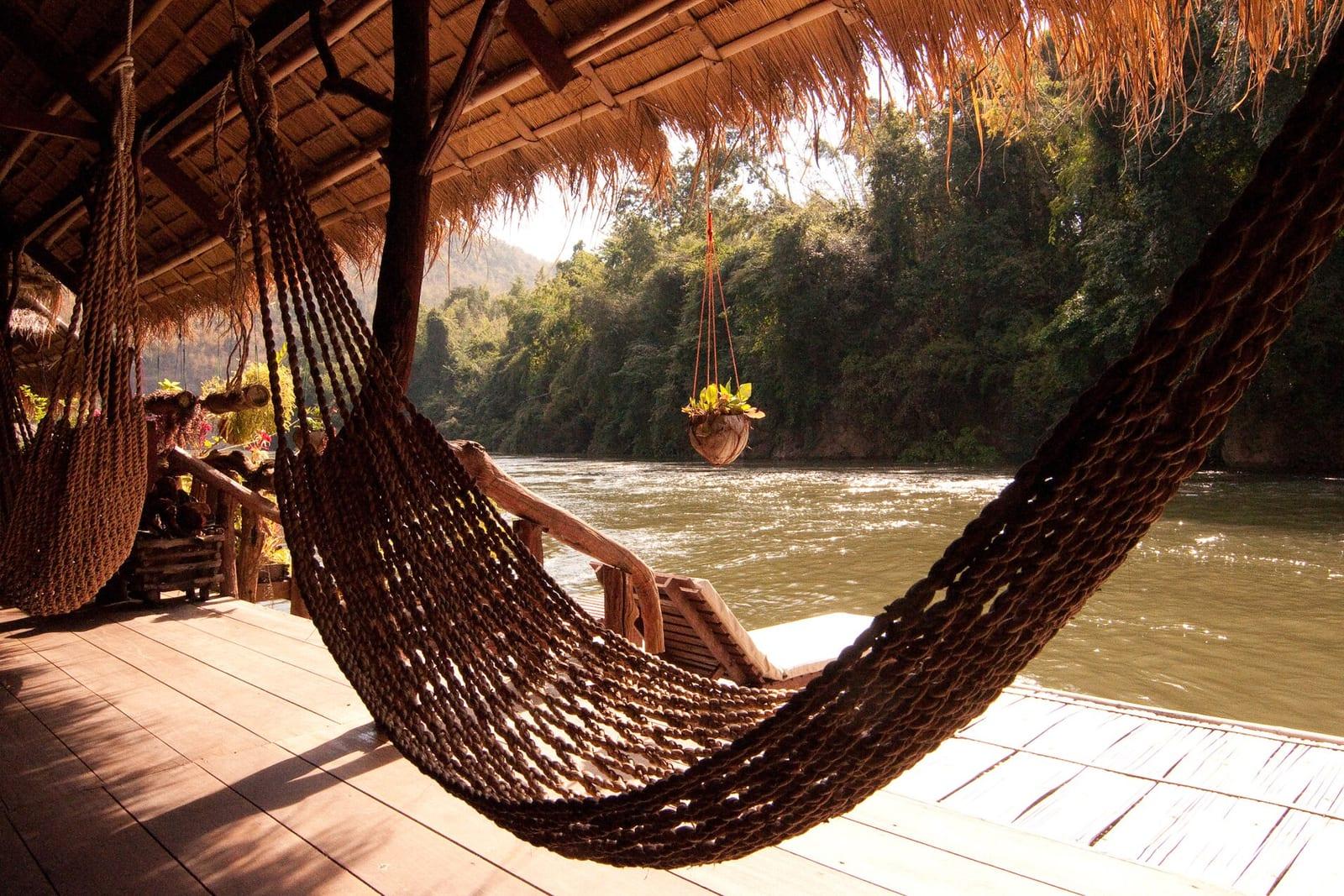
Photo: Mark Fischer · CC BY-SA 3.0 · via Wikimedia Commons
The short version: bring comfortable clothes you can move and sleep in, warm layers for the night, a headlamp or small flashlight, a journal, a refillable water bottle, and unscented toiletries. Leave perfumes, strong colognes, alcohol, and recreational substances at home. A reputable retreat will send its own packing list, and that list always wins over a general guide like this one.
Packing for your first ayahuasca retreat is mostly common sense, with a few quirks that surprise newcomers. Ceremonies often run late into the night, the room can get cold even in a warm climate, and many traditions ask you to keep your senses simple, which is why strong scents are discouraged. None of this is complicated once you know what to expect. This guide walks through the essentials, the nice-to-haves, and the things to deliberately leave behind, so you can arrive feeling prepared rather than anxious.
Before anything else: read the materials your centre sends you. Every retreat is different, and a good one will give you a specific list shaped by its location, climate, lineage, and rules. If you are still choosing where to go, our guide on how to choose a retreat safely and the questions to ask an ayahuasca retreat will help you find a place that communicates clearly.
What to wear to an ayahuasca ceremony
Comfort is the only rule that matters here. You may be sitting, lying down, walking to a bathroom in the dark, and occasionally getting up quickly, sometimes for hours. Choose clothing that lets you do all of that without fuss.
- Loose, comfortable clothes in soft natural fabrics like cotton. Think of what you would happily sleep in.
- Warm layers for the night. This is the item first-timers most often forget. Even in the Amazon, body temperature can drop during a ceremony and the early hours get cool, so pack a hoodie, a light sweater, warm socks, and a shawl or light blanket if your centre does not provide one.
- Easy on, easy off. You will likely visit the bathroom during ceremony, possibly in a hurry. Avoid complicated buttons, belts, and laces. Slip-on sandals or shoes are ideal.
- Layers you can shed. Climates near the equator can be warm by day and cool at night, so bring a mix rather than one heavy outfit.
Some centres suggest light or white clothing for ceremonial reasons, and some ask for modest dress. Both are details your retreat will spell out, so follow their guidance rather than guessing.
Ceremony essentials to bring
These are the small items that make the ceremony space easier to navigate.
- A headlamp or small flashlight. Ceremonies usually happen in low light or darkness, and a hands-free headlamp with a dim or red-light setting helps you move to the bathroom without disturbing others.
- A refillable water bottle. Staying hydrated matters, though many centres ask you not to drink during the most active part of the ceremony. Confirm their guidance.
- A journal and pen. Insights can feel vivid and then slip away by morning. Writing things down supports the integration work that follows, which is arguably where the lasting value lives. See integration: making it last.
- Warm socks and a personal blanket or shawl, if not supplied.
- Earplugs and an eye mask for resting between or after ceremonies in shared spaces.
Toiletries: why unscented matters
Here is the part that catches people off guard. Many ayahuasca traditions ask participants to avoid strong scents, and this preference is rooted in the dieta, the set of dietary and lifestyle restrictions that surround ceremonial work in lineages such as the Shipibo of the Peruvian Amazon.[1][2] The dieta is partly about simplifying the senses, and perfumes, scented lotions, and heavily fragranced products are discouraged because the experience can heighten everyone's sensitivity in a shared space. It is also a gesture of respect for a practice with deep indigenous roots, which you can read more about in the ayahuasca dieta explained.
Practically, that means packing:
- Unscented or mild, natural soap and shampoo
- Unscented deodorant
- A toothbrush and toothpaste (some centres prefer unflavoured or mild)
- Sunscreen and insect repellent, ideally fragrance-free, especially for jungle settings
- Any personal-care basics you genuinely need
The dieta asks you to simplify not just your food, but your entire sensory experience, turning down the noise so the work can be heard more clearly.
Leave the perfume, cologne, scented body spray, and strongly fragranced lotions at home. If you are unsure whether a product counts as too strong, ask your centre.
Approved essentials and personal items
A few practical things smooth out the days around the ceremonies themselves:
- Travel documents and a printed copy of your booking and any emergency contacts.
- A reusable water bottle (mentioned above, and worth repeating).
- Comfortable daywear and sleepwear for rest days.
- A small first-aid kit with the basics you normally carry, plus any items your centre recommends for the local environment.
- Cash in the local currency for tips or local purchases, where appropriate.
- A book or paper for quiet, screen-free downtime. Many retreats encourage stepping away from devices.
What NOT to bring
Some things are better left at home, both for the experience and for everyone's safety.
- Perfume, cologne, and strongly scented products, for the reasons above.
- Alcohol and recreational drugs. These conflict with the dieta and can be unsafe. Ayahuasca contains DMT, which is a Schedule I controlled substance in the United States and a Class A drug in the UK, so legal context matters too.[5][6] See where ayahuasca is legal.
- Your own ayahuasca or any plant medicine. Never source, prepare, or self-administer. The ceremony and the brew are the centre's responsibility, handled by experienced facilitators.
- Valuables and excess electronics. Many retreats limit phone use, and remote locations may lack secure storage.
- A packed agenda of expectations. Arriving with rigid demands for what should happen tends to add pressure. A calm, open frame of mind is the most useful thing you can bring, which is the focus of how to prepare for your first ceremony.
A simple first-timer checklist
Use this as a starting point, then reconcile it against your retreat's own list:
- Comfortable, loose clothes and sleepwear
- Warm layers: hoodie or sweater, warm socks, shawl or blanket
- Headlamp or small flashlight (dim or red light)
- Refillable water bottle
- Journal and pen
- Unscented toiletries, deodorant, sunscreen, insect repellent
- A change of clothes and small towel for ceremony nights
- Earplugs and eye mask
- Travel documents, emergency contacts, any local cash
- Anything your centre specifically asks for
Pack light, pack soft, keep your senses simple, and let the people running your retreat fill in the specifics. If you want to know more about what the nights themselves are like, what to expect at a retreat and what an ayahuasca ceremony feels like are good next reads, and our resources page lists organisations offering further harm-reduction support.
Sources
- [1]ICEERS, Ayahuasca: Basic Info (Safety Profile), International Center for Ethnobotanical Education, Research and Services overview of ayahuasca safety, screening, and contraindications. ↩
- [2]ICEERS, Ayahuasca Good Practice Guide (2014), Harm-reduction guidance for participants, including preparation and risk reduction. ↩
- [3]Sarris J. et al., The Shipibo Ceremonial Use of Ayahuasca to Promote Well-Being (PMC8131827), Observational study describing the Shipibo dieta and ceremonial context. ↩
- [4]ICEERS, Deciding to Take Ayahuasca, Guidance on medication interactions, screening, and contraindications before participating. ↩
- [5]US Drug Enforcement Administration, Drug Scheduling (Controlled Substances Act), DMT, the active compound in ayahuasca, is a Schedule I controlled substance under US federal law. ↩
- [6]UK Government, Controlled drugs: licences, fees and returns (drug classes), DMT is a Class A controlled drug under the UK Misuse of Drugs Act. ↩
Frequently asked questions
- What should I wear to an ayahuasca ceremony?
- Loose, comfortable clothes in soft natural fabrics that you could happily sleep in, plus warm layers for the night. Pick easy on, easy off clothing and slip-on shoes so you can move to the bathroom quickly. Some centres suggest light or white clothing, so follow their specific guidance.
- Why are scented products and perfume discouraged at ayahuasca retreats?
- Many traditions ask participants to avoid strong scents as part of the dieta, the dietary and lifestyle restrictions surrounding ceremonial work. The experience can heighten sensitivity in a shared space, so unscented soap, deodorant, and sunscreen are usually requested out of practicality and respect for the practice.
- Should I bring my medications to an ayahuasca retreat?
- Do not decide alone. Some medications, including certain antidepressants, can interact dangerously with ayahuasca, and several conditions are contraindications. Disclose everything during the retreat's screening and discuss it with your prescriber in advance. Never stop a prescribed medication without medical supervision. This is educational information, not medical advice.
- Do I need to bring a headlamp or flashlight?
- Yes, this is one of the most useful items. Ceremonies usually take place in low light or darkness, and a hands-free headlamp with a dim or red-light setting lets you reach the bathroom without disturbing other participants.
- What should I not bring to an ayahuasca retreat?
- Leave perfume and strongly scented products, alcohol, recreational drugs, and any plant medicine of your own at home. Limit valuables and electronics, since many retreats restrict phone use. Never source, prepare, or self-administer ayahuasca; the brew is the centre's responsibility.
- Will the retreat tell me exactly what to bring?
- A reputable centre will send a specific packing list shaped by its location, climate, and rules, and that list should always take priority over a general guide. If a place is vague or dismissive about what to bring or how it screens participants, treat that as a signal about the centre itself.
What to read next
Choosing a retreat
Ayahuasca Aftercare: The First Days and Weeks Home
Ayahuasca aftercare for the first days and weeks home: rest, gentle diet, sleep, emotional volatility, postponing big decisions, and when to see a clinician.
· 8 min read

Choosing a retreat
Where Is Ayahuasca Legal? A Country-by-Country Overview
Is Ayahuasca legal? A clear, well-sourced country-by-country overview of DMT laws, the UN treaty, religious exemptions and grey zones. Not legal advice.
· 7 min read
Choosing a retreat
Ayahuasca Integration: How to Make the Insights Last
Ayahuasca integration turns ceremony insight into lasting change. Practices, circles, coaches, red flags, and when to see a licensed therapist, honestly.
· 8 min read