Ayahuasca and Your Heart: Cardiovascular Risks Explained
Ayahuasca raises heart rate and blood pressure, and its MAOI chemistry can spike it dangerously. The cardiac risks, screening, and why honest disclosure matters.
By Elena Marsh
Medically reviewed by Dr James Okafor
·
7 min read
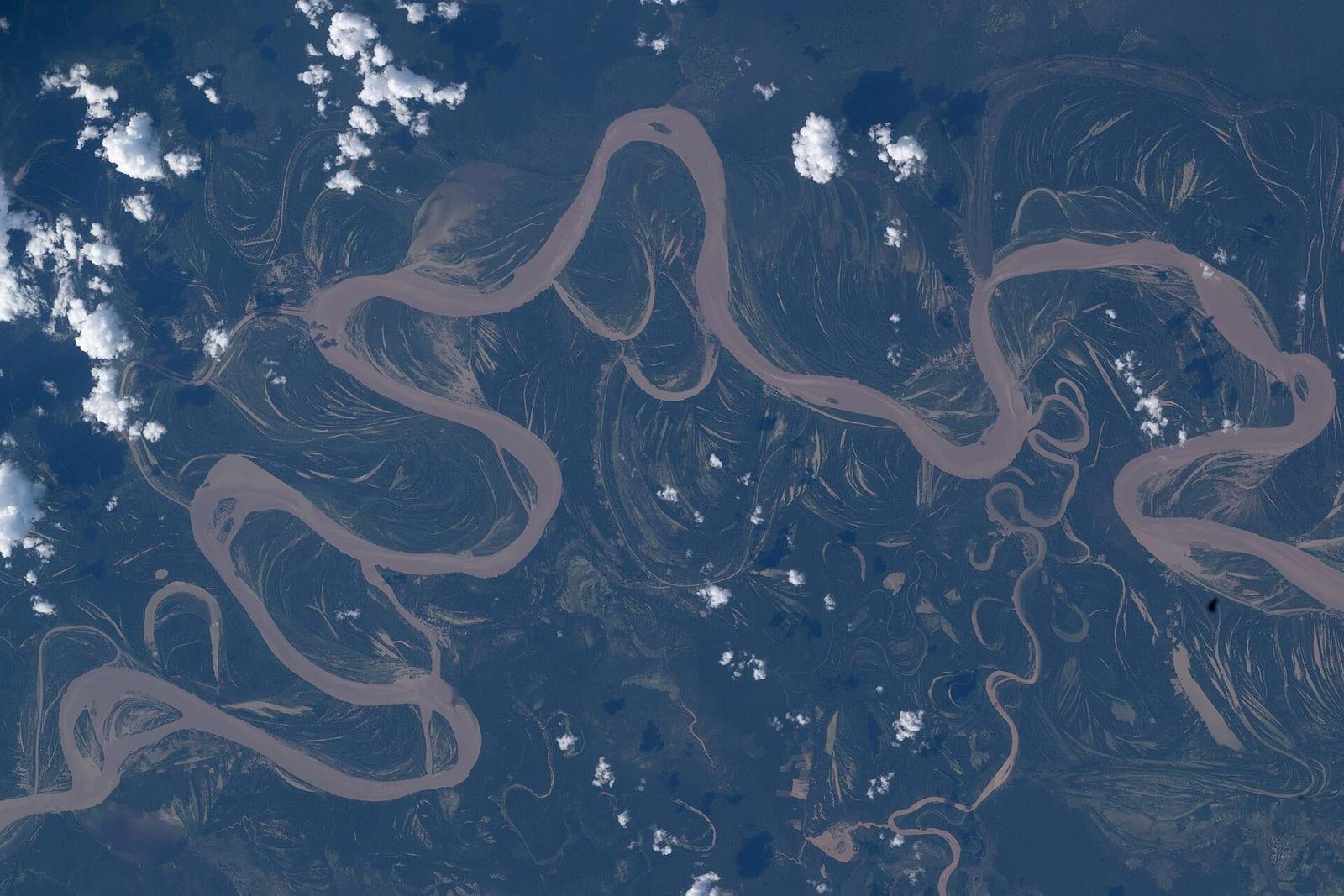
Photo: NASA Johnson Space Center · Public domain · via Wikimedia Commons
Yes, Ayahuasca measurably raises your heart rate and blood pressure for a few hours, and for most healthy people those changes are modest and pass on their own. The real cardiovascular danger lies elsewhere: the brew is a working MAO inhibitor, which can turn certain foods, supplements, and medications into a sudden, dangerous spike in blood pressure. This is general education, not medical advice, and the only person who can assess your own heart is a qualified clinician who knows your history.
If you have a healthy heart, the cardiovascular question around Ayahuasca is usually a manageable one. If you have a heart condition, uncontrolled high blood pressure, or an arrhythmia, it becomes one of the most important questions you can ask before going anywhere near a ceremony, and one that no website can answer for you. This page explains what Ayahuasca actually does to the cardiovascular system, why its MAOI chemistry creates a second, separate danger, and why honest screening matters so much.
Does Ayahuasca raise your heart rate and blood pressure?
Yes. Ayahuasca produces a transient sympathomimetic effect, meaning it temporarily nudges the body toward its "fight or flight" state, lifting heart rate and blood pressure for the few hours the experience lasts.
The effect is real but, in healthy volunteers, generally modest. In a controlled human pharmacology study, the clearest change was a rise in diastolic blood pressure of about 9 mmHg around 75 minutes after ingestion, while systolic blood pressure and heart rate rose only moderately and not significantly.[1] A separate observational study of long-term religious users found that transient tachycardia (a racing heart) was a common experience: roughly a third reported it occasionally, a smaller fraction often, and a few reported it persisting after ceremonies.[2]
The leading explanation is straightforward. By inhibiting monoamine oxidase, Ayahuasca slows the breakdown of catecholamines such as noradrenaline, the body's own stimulant chemicals, so they accumulate and push the cardiovascular system harder than usual.[2] One comparative analysis judged Ayahuasca's blood-pressure and heart-rate effects to be less hazardous than those of oral alcohol, insufflated cocaine, or oral MDMA.[3] That is reassuring context, not a clean bill of health: "less than cocaine" is a low bar, and averages across healthy research subjects say little about an individual with an unwell heart.
Why the MAOI in Ayahuasca is the bigger cardiovascular risk
The acute bump in blood pressure is not, for most people, the headline danger. The more serious cardiovascular risk comes from what the brew's MAO-inhibiting chemistry does to other substances in your body.
Ayahuasca's harmala alkaloids, harmine, harmaline, and tetrahydroharmine, are monoamine oxidase inhibitors, the same class of drug once prescribed as antidepressants.[4] Monoamine oxidase is the enzyme that, among other jobs, breaks down tyramine, a compound found in many aged and fermented foods. Normally tyramine is dismantled in the gut before it can do much. But when MAO is inhibited, dietary tyramine can flood into the bloodstream, where it triggers a surge of noradrenaline that constricts blood vessels and can drive blood pressure up sharply.[5]
This is the classic MAOI "cheese reaction," and in its severe form it is a hypertensive crisis, a blood-pressure spike high enough to cause severe headache, intracranial bleeding, stroke, or, rarely, death.[5] Foods most associated with it include aged cheeses, cured and fermented meats, soy products, draft beer, and overripe or fermented produce.[6]
There is one piece of genuinely reassuring pharmacology here. The harmala alkaloids are reversible inhibitors of MAO-A, and reversible inhibitors carry a meaningfully lower tyramine-interaction risk than the older, irreversible MAOI antidepressants.[4] That is part of why catastrophic tyramine reactions are not a frequent feature of well-run ceremonies. But "lower risk" is not "no risk," it varies between individuals, and it depends entirely on the dietary and medication precautions actually being followed.
Who is most at risk: heart disease, arrhythmia, and high blood pressure
For a healthy cardiovascular system, a few hours of elevated heart rate and blood pressure are usually tolerated without incident. The concern is for people whose hearts are already working with less margin.
The conditions most often treated as serious cautions or contraindications include:
- Established heart disease, coronary artery disease, heart failure, or a history of heart attack, where added cardiac demand and a blood-pressure surge are least welcome.
- Arrhythmias, irregular heart rhythms, where a sympathomimetic push and the physical stress of a long, intense, sometimes purging experience may be poorly tolerated.
- Uncontrolled or severe hypertension, a baseline that is already high leaves little headroom before an acute rise or a tyramine reaction becomes dangerous.
Two further factors compound the picture. The first is the purge, the vomiting, sweating, and occasional diarrhoea common in ceremony, which can shift fluid balance and add physical strain. The second is the heavy overlap between cardiovascular and psychiatric medication: drugs taken for blood pressure, as well as antidepressants, stimulants, and many over-the-counter remedies, can interact with the brew. Our companion piece on Ayahuasca and antidepressants covers the serotonin-syndrome side of that overlap, which is a separate but related medication danger.
A few hours of raised heart rate is a footnote for a healthy heart and a serious question for an unwell one. The honest answer to "is it safe for me?" only exists at the level of the individual.
None of this can be turned into a personal verdict by an article. A normal resting blood-pressure reading does not rule out an arrhythmia; a stable condition on medication is not the same as no condition. The relevant assessment belongs to a clinician with access to your history, your current readings, and your full medication list. For a fuller map of the medical picture, see our pillar on Ayahuasca safety and contraindications and the overview of who should not take Ayahuasca.
Why screening and honest disclosure matter so much
Every one of the risks above is, in principle, identifiable in advance, but only if someone is actually looking, and only if you tell the truth.
A credible retreat screens for cardiovascular history, current blood pressure, medications, and supplements, and enforces a pre-ceremony dietary and drug-washout protocol designed to keep tyramine and interacting compounds out of the picture. A centre that asks none of this, or waves away your heart condition, is revealing something important about its standards. Our guides on choosing a retreat safely and the questions to ask before you book go into what good screening looks like.
But screening is only as good as the information it is given. Concealing a heart condition, an arrhythmia, your blood-pressure medication, or even an "innocent" supplement or decongestant to get past the gate does not make you safer, it disables the one safeguard built to protect you, in a setting hours from a hospital. Honest disclosure is not bureaucracy. It is the mechanism by which a known, manageable risk is kept from becoming an emergency.
The bottom line
Ayahuasca reliably raises heart rate and blood pressure for a few hours, usually modestly in healthy people. Its MAOI chemistry creates a second, distinct cardiovascular risk: dangerous blood-pressure spikes when combined with tyramine-rich foods or certain drugs. People with heart disease, arrhythmia, or uncontrolled hypertension carry the most risk, and the dieta and screening exist precisely to manage it. What none of this can tell you is whether your particular heart can tolerate the experience, that conversation belongs to you and a qualified clinician, alongside full honesty with any centre you consider.
This article is general education, not medical advice. It cannot tell you whether Ayahuasca is safe for you, and it does not recommend starting, stopping, changing, or timing any medication. Speak with a qualified clinician about your individual situation, and read this alongside our medical disclaimer.
Sources
- [1]Riba J, et al. Human pharmacology of Ayahuasca: subjective and cardiovascular effects, monoamine metabolite excretion, and pharmacokinetics. Journal of Pharmacology and Experimental Therapeutics, 2003;306(1):73-83, Double-blind, placebo-controlled human study; clearest cardiovascular change was a ~9 mmHg rise in diastolic blood pressure at 75 min, with systolic BP and heart rate only moderately and non-significantly increased. ↩
- [2]Durante I, et al. Risk assessment of Ayahuasca use in a religious context: self-reported risk factors and adverse effects. Brazilian Journal of Psychiatry / PMC, 2021, Survey of 614 long-term users: transient tachycardia common (≈32% occasionally, smaller fractions often/every time; a few reported persistent tachycardia); attributes cardiac effects to MAO-inhibition-driven accumulation of catecholamines such as noradrenaline. ↩
- [3]Hamill J, et al. Ayahuasca: Psychological and Physiologic Effects, Pharmacology and Potential Uses in Addiction and Mental Illness. Current Neuropharmacology / PMC, 2019, Review citing Gable's comparative analysis: Ayahuasca's haemodynamic (heart-rate and blood-pressure) effects appear less hazardous than IV DMT, oral alcohol, insufflated cocaine, smoked cannabis, and oral MDMA. ↩
- [4]Brierley DI, Davidson C. Developments in harmine pharmacology, implications for Ayahuasca use and drug-dependence treatment / Simão AY, et al. Pharmacological interaction of compounds in Ayahuasca: a systematic review. PMC, 2020, Systematic review: harmala alkaloids (harmine, harmaline, tetrahydroharmine) are reversible MAO-A inhibitors; reversible MAO-A inhibitors carry less tyramine-interaction risk than irreversible MAOIs. ↩
- [5]Sub Laban T, Saadabadi A. Monoamine Oxidase Inhibitors (MAOIs). StatPearls, NCBI Bookshelf, Clinical reference on the tyramine pressor response / 'cheese reaction', hypertensive crisis (sudden BP rise risking stroke or death), warning signs (severe headache, palpitations, chest pain, sweating, visual changes, confusion), and contraindicated drug classes (serotonergic and sympathomimetic agents). ↩
- [6]Van den Eynde V, et al. The prescriber's guide to classic MAO inhibitors (phenelzine, tranylcypromine, isocarboxazid) for treatment-resistant depression / Mayo Clinic: MAOIs and diet, is it necessary to restrict tyramine?, Patient-facing clinical guidance on high-tyramine foods (aged cheeses, cured/fermented meats, soy products, draft beer, overripe produce) and the hypertensive reaction MAOI dietary restrictions are designed to prevent. ↩
Frequently asked questions
- Does Ayahuasca raise your blood pressure?
- Yes, temporarily. In controlled studies the clearest change was a roughly 9 mmHg rise in diastolic blood pressure about an hour after ingestion, with smaller effects on systolic pressure and heart rate. For a healthy person these changes are usually modest and resolve within hours, but they can matter more for someone with existing cardiovascular problems.
- Can Ayahuasca cause a heart attack or hypertensive crisis?
- Serious cardiac events are not commonly reported in healthy users, but the risk is real for vulnerable hearts and through drug or food interactions. Because Ayahuasca acts as an MAO inhibitor, combining it with tyramine-rich foods, stimulants, or certain medications can cause a hypertensive crisis, a dangerous blood-pressure spike that can lead to stroke. Sudden severe headache, chest pain, or palpitations are reasons to seek emergency care.
- Is Ayahuasca safe if you have high blood pressure?
- It depends entirely on the individual, and only a clinician can assess that. Uncontrolled or severe hypertension is often treated as a serious caution because the brew's acute pressor effect and possible tyramine reactions leave little safety margin. Some blood-pressure medications can also interact, so disclosing them honestly during screening is essential.
- Why do Ayahuasca retreats have a strict diet beforehand?
- The pre-ceremony dieta is partly a pharmacological safety measure. Because Ayahuasca inhibits the enzyme that breaks down tyramine, eating aged cheeses, cured meats, fermented foods, or other high-tyramine items near a ceremony can risk a blood-pressure spike. The dietary rules also help reduce other drug and food interactions.
- What heart conditions should rule out Ayahuasca?
- Established heart disease, arrhythmias, and uncontrolled high blood pressure are the conditions most commonly treated as contraindications or serious cautions by credible centres and clinicians. None of these can be self-assessed from an article, so the decision should be made with a qualified clinician who knows your full history and medications.
- Does the Ayahuasca purge strain the heart?
- The intense vomiting, sweating, and occasional diarrhoea common in ceremony can shift fluid balance and add physical strain on top of the brew's stimulant-like cardiovascular effects. For a healthy heart this is usually tolerated, but it is an added reason people with cardiac conditions are screened carefully and advised to consult a clinician first.
What to read next
Safety
Can You Do Ayahuasca at Home or Alone? Why Experts Advise Against It
Can you do ayahuasca at home or alone? Experts advise against it. Here is the honest harm-reduction case: screening, trained support and legality.
· 8 min read
Safety
The Ayahuasca Dieta: The Traditional Diet, Explained
The Ayahuasca dieta has two roots that point the same way: a traditional Amazonian discipline of restraint, and a modern MAOI food-safety caution. Here's what the diet actually is, why the food list e
· 8 min read

Safety
Difficult Journeys: How to Prepare for a Hard Ayahuasca Experience
Difficult Ayahuasca experiences are common and not the same as harm. How to prepare: set and setting, surrender, good support, emergencies and integration.
· 8 min read