Can You Do Ayahuasca at Home or Alone? Why Experts Advise Against It
Can you do ayahuasca at home or alone? Experts advise against it. Here is the honest harm-reduction case: screening, trained support and legality.
By Elena Marsh
Medically reviewed by Dr James Okafor
·
8 min read
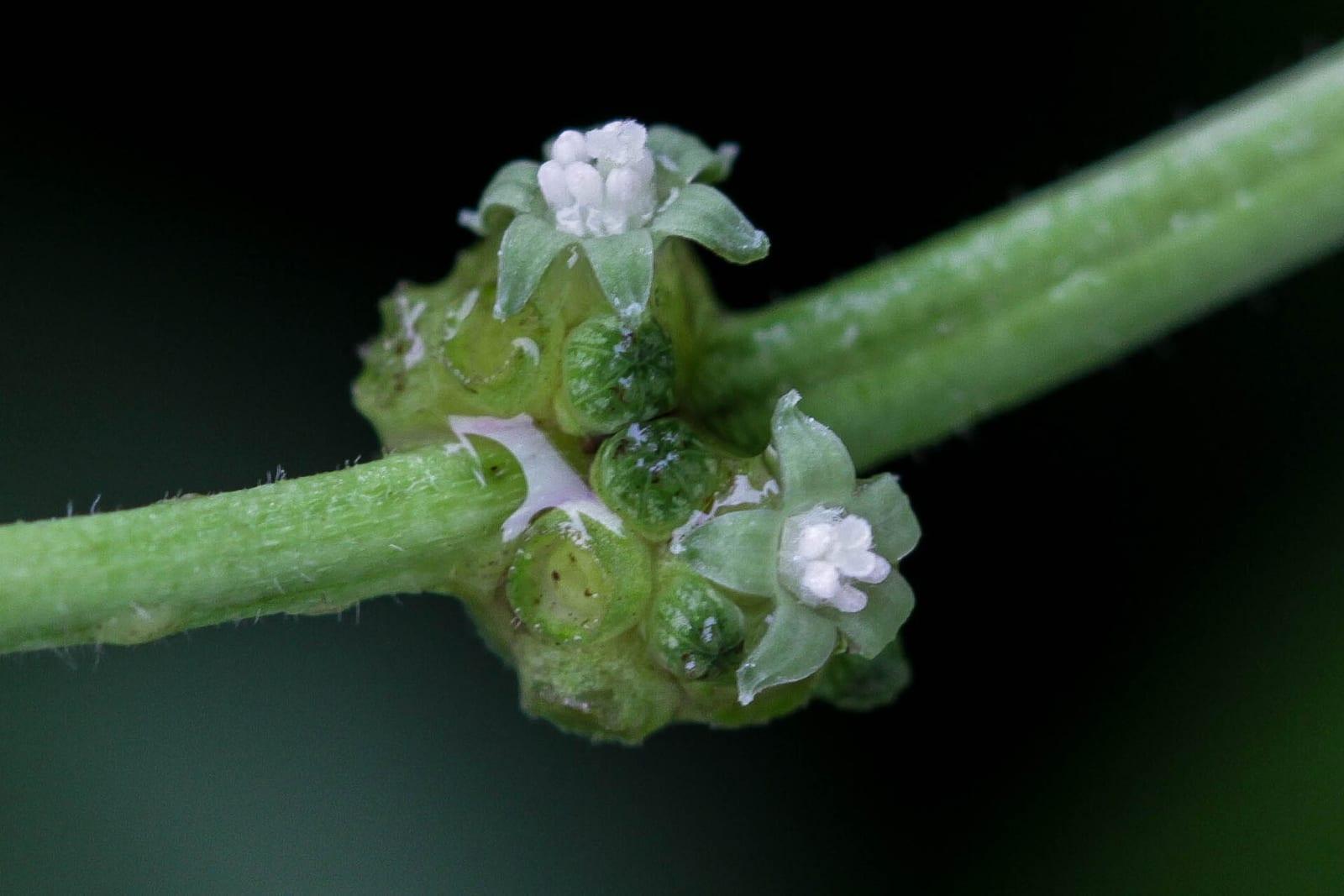
Photo: A.Benedito · CC BY-SA 4.0 · via Wikimedia Commons
It is possible to take ayahuasca alone or at home, but nearly everyone who studies it, from harm-reduction researchers to clinicians who treat psychedelic emergencies, advises strongly against it. The short answer is that ayahuasca is powerful, pharmacologically active medicine, and doing it without medical screening, trained support, and a safe setting removes the very safeguards that make a difficult experience survivable rather than dangerous. This page explains, honestly, why.
If you have searched for whether you can do ayahuasca at home or by yourself, you are almost certainly weighing convenience, privacy, cost, or nervousness about being around strangers against the risks. Those are reasonable concerns. This article does not tell you what to do, and it deliberately contains no preparation, sourcing, or dosing information. What it does is lay out, plainly, what you lose when you remove screening, trained support, and a vetted setting, so you can make a genuinely informed decision. If you want the wider picture first, start with what ayahuasca actually is.
Can you legally do ayahuasca at home?
In most of the world, no. Ayahuasca brews contain DMT, which is a Schedule I controlled substance in the United States and a Class A drug in the United Kingdom, the strictest legal categories in each country.[6] In the US, federal law treats possession of DMT the same as heroin, with narrow religious exemptions granted to specific churches under the Religious Freedom Restoration Act; a small number of states and cities have decriminalised it locally, but it remains federally illegal.[6] In the UK, possession of a Class A drug can carry up to seven years in prison and supply far more.[6]
Doing ayahuasca at home in these jurisdictions is not a legal grey area for the individual. It is a criminal offence in most places, and that legal exposure is one reason people travel to countries where it is woven into a regulated or traditional framework. For a country-by-country picture, see where ayahuasca is legal.
Why no medical screening is the biggest danger
A responsible retreat screens you before you ever drink. That screening exists because ayahuasca is genuinely contraindicated for some people, and the consequences of skipping it can be serious.
The two alkaloid families in ayahuasca do different jobs: DMT produces the visionary effects, while harmala alkaloids act as monoamine oxidase inhibitors (MAOIs), which is what allows DMT to be active when swallowed.[1] That MAOI activity is exactly what makes drug and food interactions dangerous. Combining an MAOI with certain antidepressants, particularly SSRIs and SNRIs, or with another MAOI, can trigger serotonin syndrome, a potentially life-threatening reaction whose severe form can include high fever, muscle rigidity, seizures, and cardiovascular collapse, sometimes within hours.[4] MAOIs combined with tyramine-rich foods can also cause a hypertensive crisis, a dangerous spike in blood pressure.[2]
At home, nobody asks what medication you take, checks your blood pressure, or knows your psychiatric and cardiac history. A trained screener does. This is why our guides on ayahuasca and antidepressants and who should not take ayahuasca exist, and why you should never stop prescribed medication on your own to try to make ayahuasca safe. That decision belongs with your prescriber.
Pre-existing conditions matter too. The research literature consistently flags a personal or family history of psychosis, certain cardiovascular conditions, and uncontrolled anxiety or other psychiatric conditions as raising the risk of harm.[3] A person with these histories may have no idea they are at elevated risk, which is the point of screening, and the reason we cover contraindications and safety in depth.
What happens if there is a medical or psychological emergency?
This is the question that most clearly separates a supervised ceremony from a solo one. In the largest study of its kind, the Global Ayahuasca Survey of more than 8,000 people, the great majority reported some physical effect such as vomiting or nausea, but a meaningful minority reported more serious events: around 4% fainted and just over 1% experienced fits or seizures, while roughly 2.3% required medical attention.[3] Those numbers are reassuring precisely because most respondents drank in organised, supervised settings where someone could respond.
The psychological side is just as important. In that same survey, more than half of participants reported some adverse mental-health effect in the weeks or months afterward, such as feeling disconnected, and around 12% sought professional support for it; the authors found that adverse effects were less common in supervised settings and more common where people had a pre-existing anxiety disorder.[3] A systematic review of adverse events reached a similar conclusion: serious harm is rare in healthy, screened populations, but lack of proper screening and preparation, concurrent substance use, and psychiatric vulnerability are the conditions under which things go wrong.[5]
Adverse effects were reported less often in supervised religious settings than in unsupervised contexts, and pre-existing anxiety significantly raised the risk of adverse mental-health effects.
Now picture those same events with no one else present. An ayahuasca experience can include intense fear, the sense of losing control, and reliving difficult memories. In a ceremony, a trained facilitator recognises this, stays with you, and knows when an event has crossed from a hard inner experience into a medical or psychiatric emergency that needs outside help. Alone, there is no one to tell the difference, no one to keep you physically safe if you become disoriented or vomit while impaired, and no one to call for help. Our piece on whether you will lose control goes deeper on that fear specifically.
What about the legend that "Mother Ayahuasca" keeps you safe?
In many traditions ayahuasca is understood as a teacher or a presence that guides the experience. That belief is real and deserves respect, and indigenous lineages have stewarded this medicine for generations within a structure of preparation, song, and an experienced healer who holds the space. It is worth understanding that this framework is part of what makes traditional use as safe as it is. Importantly, even traditional and religious settings vary, and researchers note they do not always include the formal medical screening for drug interactions that a tourist on prescription medication needs.[3] Reverence is not a substitute for a blood-pressure cuff, an honest medication review, or a trained person nearby. The two are meant to work together, not replace each other.
The honest case the other way, and why it still points to a vetted setting
To be fair: the data show that serious physical harm is statistically uncommon, and most people who drink ayahuasca do not end up in an emergency.[5] Some people genuinely do prefer solitude and privacy. But the reason the numbers look as benign as they do is largely because most of that data comes from supervised, screened settings.[3] The protective factors and the favourable statistics are the same thing. Removing screening and support does not give you the studied safety profile minus the inconvenience; it gives you a different, less-studied, and riskier situation.
If cost is your real concern, our guide on how much a retreat costs covers the realistic range, and there are responsible options at different price points. If it is anxiety about the unknown, reading what to expect at a retreat and what a ceremony feels like may help more than going it alone.
How to choose a safer setting instead
If, after weighing all of this, you decide to pursue ayahuasca, the single most protective choice is the setting. A credible centre will screen you honestly, will tell you plainly if you should not participate, will have trained people present throughout, and will have a real plan for medical and psychological emergencies. Our guide to choosing a retreat safely walks through this, and the questions to ask a retreat give you a concrete checklist, including what their screening covers and what they do in an emergency.
The honest bottom line is this: the question is not really "can I do this at home?" but "do I want to do something this powerful without the safeguards that the evidence says matter most?" For almost everyone, the answer is no. For more support and resources, see our resources page.
Sources
- [1]Neurobiological research on DMT and its potentiation by MAO inhibition (PMC, 2024), Explains the DMT plus harmala-alkaloid MAOI pharmacology of ayahuasca. ↩
- [2]The pharmacological interaction of compounds in ayahuasca: a systematic review (PMC), Reviews MAOI-driven interactions including tyramine and hypertensive risk. ↩
- [3]Adverse effects of ayahuasca: Results from the Global Ayahuasca Survey (PLOS Global Public Health, 2022), 8,000+ participants; physical/mental adverse effects, medical attention rates, supervised vs unsupervised settings, anxiety as a risk factor. ↩
- [4]Serotonin syndrome - Symptoms and causes (Mayo Clinic), Recognised clinical source on serotonin syndrome and MAOI/SSRI risk. ↩
- [5]Ayahuasca and DMT Adverse Events and Toxicity Analysis: A Systematic Thematic Review (PMC, 2024), Finds serious harm rare in healthy screened populations; flags unscreened use and psychiatric vulnerability as risk factors. ↩
- [6]Legal status of ayahuasca by country (overview), Summary of DMT scheduling: Schedule I (US), Class A (UK), and regional exemptions/decriminalisation. ↩
Frequently asked questions
- Is it legal to do ayahuasca at home?
- In most countries, no. Ayahuasca contains DMT, which is a Schedule I substance in the US and a Class A drug in the UK. There are narrow religious exemptions in some places, but for most individuals home use is a criminal offence.
- Is doing ayahuasca alone dangerous?
- It is riskier than a supervised setting. Solo use removes medical screening, a safe environment, and a trained person who can respond if a physical or psychological emergency develops, which is the difference between a difficult experience and a dangerous one.
- What is the main risk of skipping medical screening?
- Ayahuasca's MAOI activity can interact dangerously with certain medications, especially SSRIs, SNRIs and other MAOIs, and with some foods. Screening also catches cardiac, psychiatric and other histories that raise the risk of harm. Never stop prescribed medication on your own; discuss it with your prescriber.
- Doesn't research show ayahuasca is fairly safe?
- Large studies do show serious harm is uncommon in healthy people, but most of that data comes from supervised, screened settings. The protective factors and the reassuring statistics are the same thing, so removing supervision does not simply preserve that safety profile.
- What should I do if I am in a mental-health crisis?
- Reach out to real support now, not to a ceremony. In the UK call Samaritans on 116 123; in the US call or text 988; if anyone is in immediate danger, contact your local emergency number. Ayahuasca is not a treatment for a crisis.
- If I still want to try ayahuasca, what is the safer alternative?
- Choose a vetted setting. A credible centre screens you honestly, will tell you if you should not participate, keeps trained people present, and has a real emergency plan. Our guides on choosing a retreat safely and questions to ask cover what to look for.
What to read next
Safety
The Ayahuasca Dieta: The Traditional Diet, Explained
The Ayahuasca dieta has two roots that point the same way: a traditional Amazonian discipline of restraint, and a modern MAOI food-safety caution. Here's what the diet actually is, why the food list e
· 8 min read
Safety
Difficult Journeys: How to Prepare for a Hard Ayahuasca Experience
Difficult Ayahuasca experiences are common and not the same as harm. How to prepare: set and setting, surrender, good support, emergencies and integration.
· 8 min read
Safety
Can Ayahuasca Trigger Psychosis? What the Evidence Shows
Ayahuasca can rarely trigger prolonged psychosis or mania, with higher risk for those with a personal or family history of psychosis or bipolar disorder.
· 7 min read