Is Ayahuasca Dangerous? The Real Risks, Explained
Is ayahuasca dangerous? An honest, evidence-based look at the real risks: drug interactions, heart and psychiatric risk, deaths, additives and screening.
By Elena Marsh
Medically reviewed by Dr James Okafor
·
8 min read
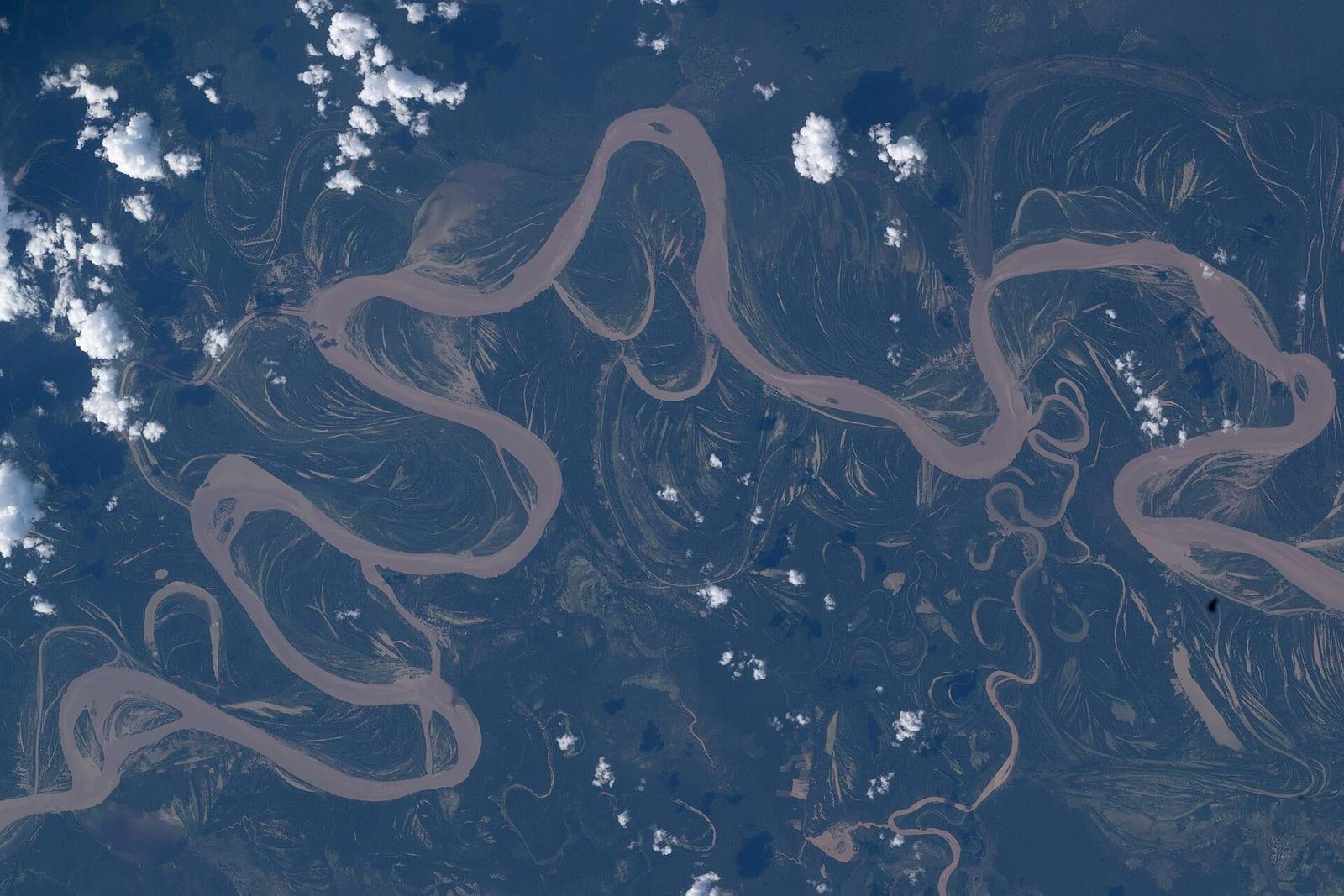
Photo: NASA Johnson Space Center · Public domain · via Wikimedia Commons
Ayahuasca is not risk-free, but the danger picture is more specific than the headlines suggest. The brew itself has rarely been shown to directly kill a healthy, properly screened person. Most serious harm clusters around a handful of avoidable factors: dangerous drug and medication interactions, pre-existing heart or psychiatric conditions, added plants like tobacco, and unregulated settings with no screening and no one trained to respond. Understanding those risks, and choosing accordingly, is what separates a difficult-but-safe experience from a genuinely dangerous one.
So, is ayahuasca dangerous?
The honest answer is: it depends almost entirely on who is drinking it, what else is in their body, and where they are doing it. In controlled settings with proper screening, large reviews describe ayahuasca as having an "acceptable safety profile," with serious adverse events rarely reported in otherwise-healthy people.[1] The most common effects, intense nausea and vomiting (often called the purge), are unpleasant but expected and usually mild and transient.
That is the reassuring part. The important caveat is that "controlled setting" and "properly screened" are doing a lot of work in that sentence. Ayahuasca's real dangers are largely predictable, and most of them are avoidable. The brew is pharmacologically active in ways that matter, and the people most likely to be harmed are those with specific risk factors who were never screened out in the first place.
If you read nothing else, read this: ayahuasca is not a casual substance, and the single most important safety decision you make is not "should I do this" but "who will I do this with, and will they take my health history seriously." Our guide to ayahuasca safety and contraindications goes deeper than this overview.
Drug and medication interactions: the biggest hidden risk
This is the danger most newcomers underestimate. Ayahuasca contains beta-carboline alkaloids that act as monoamine oxidase inhibitors (MAOIs).[2] MAOIs change how your body processes certain neurotransmitters and other drugs, which creates a defined set of interactions that can be serious.
The most important is with serotonergic antidepressants. Combining ayahuasca with SSRIs or SNRIs raises the risk of serotonin syndrome, a potentially life-threatening build-up of serotonin; a documented case involved a patient taking fluoxetine.[2] Other MAOIs, lithium, stimulants such as amphetamines and MDMA, certain cough medicines containing dextromethorphan, and supplements like St John's wort also feature in the interaction warnings.[1] Separately, MAOIs interacting with tyramine-rich foods can in theory contribute to a hypertensive crisis, which is part of why retreats ask you to follow a pre-ceremony dieta.
Cardiovascular strain: real but usually modest
Ayahuasca measurably raises blood pressure and heart rate for a period after drinking. Human pharmacology studies have recorded moderate, transient increases, on the order of roughly 10 mmHg in blood pressure, peaking around an hour to ninety minutes in, with smaller and less consistent effects on heart rate.[3] For most healthy people this is comparable to the strain of moderate exercise and passes.
The concern is for people with existing cardiovascular disease, uncontrolled high blood pressure, or heart-rhythm conditions, for whom that surge is not trivial. Several of the deaths examined in a detailed review involved underlying heart conditions, including heart attacks and one case of Marfan syndrome.[4] This is exactly why a careful retreat asks detailed cardiac questions and why hiding a heart condition is dangerous. We cover this in ayahuasca and your heart.
Psychiatric risk: who is genuinely vulnerable
Psychologically, the experience can be overwhelming. Acute fear, confusion, and distressing visions are common, and a minority of people find the after-effects difficult enough to seek professional support. In the Global Ayahuasca Survey, around 56% of users reported some mental-health-related adverse effect at some point, though only about 12% sought professional help for it, and most effects were transient.[5]
The more serious, and rarer, risk is psychosis. A systematic review of human studies found no reports of prolonged psychotic reactions in controlled clinical settings, and estimated the risk of a psychotic episode at well under two per 100,000 sessions. Crucially, the cases that did occur clustered in people with a personal or family history of psychotic disorders.[6] This is the strongest argument for honest psychiatric screening.
Screening people with a family or personal history of psychotic symptoms and disorders is crucial.
If you have a personal or family history of schizophrenia, bipolar disorder, or psychosis, the risk is meaningfully higher, and most reputable centres will and should decline you. Our piece on whether ayahuasca can trigger psychosis and the wider list of who should not take ayahuasca explain why.
Physical safety: falls, dehydration, and the setting itself
Some dangers have nothing to do with pharmacology and everything to do with being deeply altered for hours. People can fall, wander, or injure themselves if they are not supervised. Vomiting and, in some traditions, purging from both ends can cause dehydration. In the deaths reviewed by researchers, contributing factors included water intoxication (drinking too much, too fast), drowning, and head trauma.[4] None of these are caused by ayahuasca itself; they are caused by an altered person in an unsafe environment without attentive sober support.
This is the practical case for a well-run retreat where you know what to expect: trained people watching the room, a safe physical space, and water and care managed for you rather than left to your impaired judgement.
Deaths, additives, and what the evidence actually shows
The deaths that make headlines deserve a clear-eyed look, because they are frequently misunderstood. A detailed review of 58 deaths linked to ayahuasca between 2010 and 2022 found that no toxicological or forensic examination has ever determined that ayahuasca caused a death by acute intoxication.[4] Researchers estimate it would take roughly 20 times a normal psychoactive amount to reach a toxic level, which the brew's taste and emetic effects make practically impossible.[4]
So what did cause those deaths? The recurring themes are revealing:
- Added plants. Some traditions add potent tobacco preparations or plants like toé (a Brugmansia species containing scopolamine). Four deaths in the review involved tobacco poisoning, and others involved scopolamine-type contamination.[4]
- Pre-existing conditions that were never screened for, especially cardiac.
- Other drugs in the person's system, including synthetic substances.
- Accidents and lack of supervision in unsafe settings.
In other words, the lethal risk ties directly to additives, poor screening, and the absence of trained facilitators, not to the brew in isolation.
Unregulated settings: the real multiplier of risk
Almost everything above gets worse without regulation. There is no global licensing body for ayahuasca, no guaranteed standard of screening, and no guarantee the person leading your ceremony is trained to recognise a medical or psychiatric emergency. Clinicians note that risk rises sharply as the setting becomes less controlled, with unsupervised use being the most dangerous of all.[7]
Doing ayahuasca alone or at home, with no screening and no sober support, removes every safeguard discussed here at once. The honest framing is not "the substance is safe" or "the substance is deadly," but "the substance is roughly as safe as the screening, the brew, and the people around you make it."
How to make it meaningfully safer
You cannot remove all risk, but you can stack the odds heavily in your favour:
- Disclose everything. Every medication, supplement, and physical or psychiatric condition, to both your own clinician and the retreat. Concealment is the most dangerous thing you can do.
- Insist on real screening. A centre that does not ask detailed health questions is screening you out of safety, not in.
- Ask what is in the brew and whether additives like tobacco or toé are used.
- Choose supervised, in-person settings with people trained to handle emergencies. Our guide to choosing a retreat safely and the questions to ask a retreat are built for exactly this.
- Treat medical decisions as medical. Anything involving stopping medication belongs with your prescriber, not a forum or a facilitator.
Ayahuasca is a powerful substance with genuine, documented risks. It is also one where most serious harm is predictable and preventable. The danger lives less in the cup than in everything around it. For more background, start with what ayahuasca is, and if you are in distress now, please reach out to local emergency services or, in the UK, the Samaritans on 116 123, and see our resources page.
Sources
- [1]White et al. (2024), Ayahuasca and DMT Adverse Events and Toxicity Analysis: A Systematic Thematic Review, International Journal of Toxicology, Adverse-event prevalence, serious effects, drug-interaction warnings, acceptable safety profile in screened/controlled settings. ↩
- [2]Brito-da-Costa et al. (2020), Pharmacological interaction of compounds in ayahuasca: a systematic review, Brazilian Journal of Psychiatry, MAOI activity of harmala alkaloids; serotonin syndrome risk with SSRIs/SNRIs; tyramine and hypertensive-crisis considerations. ↩
- [3]Riba et al. (2003), Human Pharmacology of Ayahuasca: Subjective and Cardiovascular Effects, Journal of Pharmacology and Experimental Therapeutics, Transient, moderate increases in blood pressure and heart rate after ingestion. ↩
- [4]ICEERS, Examining the Deaths Misattributed to Ayahuasca, Analysis of 58 deaths (2010-2022); no death attributed to acute ayahuasca intoxication; roles of tobacco, scopolamine/toé, pre-existing conditions, accidents. ↩
- [5]Bouso et al. (2022), Adverse effects of ayahuasca: Results from the Global Ayahuasca Survey, PLOS Global Public Health, Real-world adverse-effect rates; ~70% physical, ~56% mental; 2.3% needed medical attention; risk factors including pre-existing conditions and unsupervised settings. ↩
- [6]dos Santos et al. (2017), Ayahuasca, dimethyltryptamine, and psychosis: a systematic review of human studies, Therapeutic Advances in Psychopharmacology, No prolonged psychosis in controlled settings; risk estimated under 2 per 100,000 sessions; cases clustered in those with personal/family psychiatric history. ↩
- [7]Cleveland Clinic, Ayahuasca: What It Is and Risks, Risk rises as the setting becomes less controlled; unsupervised home use most dangerous; serotonin syndrome with serotonergic medications. ↩
- [8]Durante et al. (2021), Risk assessment of ayahuasca use in a religious context, Brazilian Journal of Psychiatry, Self-reported risk factors and adverse effects in a religious-use population. ↩
Frequently asked questions
- Can ayahuasca actually kill you?
- Direct death from the brew alone is extremely rare. A review of 58 deaths linked to ayahuasca found none caused by acute intoxication; the contributing factors were additives like tobacco, pre-existing heart conditions, other drugs, or accidents in unsupervised settings. Honest screening and a safe setting remove most of that risk.
- Why can't I take ayahuasca with antidepressants?
- Ayahuasca acts as an MAOI, and combining it with SSRIs, SNRIs, or other serotonergic drugs raises the risk of serotonin syndrome, which can be life-threatening. This is a medical decision involving timing and discontinuation that belongs with your prescriber and the retreat, never your own judgement, and you should never stop prescribed medication on your own.
- Is ayahuasca bad for your heart?
- It causes a moderate, usually short-lived rise in blood pressure and heart rate. For most healthy people this passes, but for those with cardiovascular disease, uncontrolled high blood pressure, or heart-rhythm conditions it can be genuinely risky, which is why good retreats screen for cardiac history. Discuss any heart condition with your doctor and the centre.
- Can ayahuasca cause psychosis or long-term mental health problems?
- Prolonged psychosis is rare and has not been reported in controlled clinical settings; the estimated risk is under two per 100,000 sessions. The cases that occur cluster in people with a personal or family history of psychotic disorders such as schizophrenia or bipolar disorder, who should generally avoid it and be screened out.
- What makes some ayahuasca retreats dangerous?
- The main multipliers of risk are no health screening, untrained facilitators who cannot handle an emergency, unsafe physical settings, and undisclosed additives like tobacco or toé. A trustworthy centre asks detailed health questions, supervises ceremonies, and tells you exactly what is in the brew.
- Is it safe to do ayahuasca at home?
- Doing it alone or at home removes every safeguard at once: no screening, no sober supervision, and no one trained to respond if something goes wrong. Clinicians describe unsupervised use as the most dangerous setting, and it is not something we can recommend.
What to read next
Safety
Can You Do Ayahuasca at Home or Alone? Why Experts Advise Against It
Can you do ayahuasca at home or alone? Experts advise against it. Here is the honest harm-reduction case: screening, trained support and legality.
· 8 min read
Safety
The Ayahuasca Dieta: The Traditional Diet, Explained
The Ayahuasca dieta has two roots that point the same way: a traditional Amazonian discipline of restraint, and a modern MAOI food-safety caution. Here's what the diet actually is, why the food list e
· 8 min read
Safety
Difficult Journeys: How to Prepare for a Hard Ayahuasca Experience
Difficult Ayahuasca experiences are common and not the same as harm. How to prepare: set and setting, surrender, good support, emergencies and integration.
· 8 min read