Is Ayahuasca Addictive? What the Evidence Says
Is Ayahuasca addictive? The evidence says DMT isn't physically addictive and the purge is self-limiting, but psychological over-reliance is a real risk.
By Elena Marsh
Medically reviewed by Dr James Okafor
·
6 min read
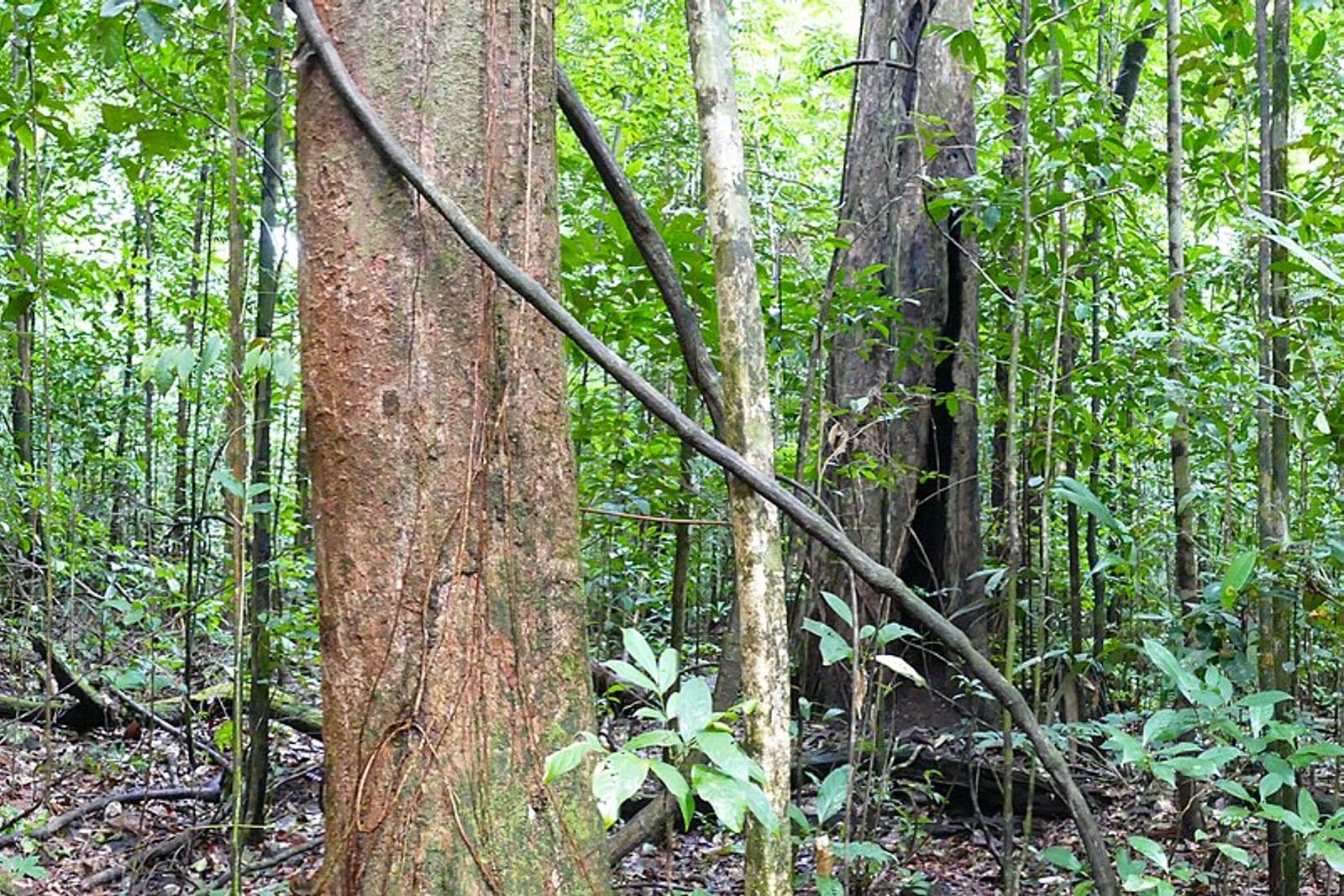
Photo: Bernard DUPONT from FRANCE · CC BY-SA 2.0 · via Wikimedia Commons
In short: Ayahuasca and the DMT it contains are not considered physically addictive. Classic psychedelics don't produce the cravings, tolerance-driven escalation, or withdrawal that define substance dependence, and Ayahuasca's intense purge makes it self-limiting in a way that few people want to repeat compulsively. But "not addictive" is not the same as "risk-free", the real concern is psychological, not chemical.
Is Ayahuasca physically addictive?
On the question most people are actually asking, the evidence is reassuring. Major pharmacological reviews place the classic psychedelics, psilocybin, LSD, mescaline, and DMT (Ayahuasca's active compound), among the lowest-risk psychoactive substances for dependence. David Nichols' authoritative 2016 review in Pharmacological Reviews concludes that classic psychedelics "are generally considered physiologically safe and do not lead to dependence or addiction." [1]
The US National Institute on Drug Abuse (NIDA) reaches a similar conclusion, stating that use of psychedelic drugs "does not typically lead to addiction" and describing them as only "weakly reinforcing", meaning they don't reliably drive the compulsive, repeated use that defines a substance use disorder. [2] This matters because the three hallmarks of physical addiction are largely absent:
- No withdrawal syndrome. Stopping DMT does not produce the physical withdrawal seen with alcohol, opioids, or benzodiazepines.
- Reverse tolerance pattern, not escalation. Classic psychedelics produce rapid tolerance to their effects with frequent dosing, which discourages, rather than rewards, taking more.
- Low reinforcement. In both animal models and human use, these drugs are not reliably "rewarding" the way addictive substances are.
To understand why, it helps to know what Ayahuasca actually is. It is a brew combining a DMT-containing plant with an MAOI-containing vine; we cover the pharmacology in plain language in what is Ayahuasca and the DMT and pharmahuasca difference.
What the research on regular Ayahuasca users shows
Ayahuasca is unusual among psychedelics because long-term, frequent users exist in plain sight: members of the Brazilian Ayahuasca churches (such as Santo Daime and the UDV) drink it regularly, sometimes for decades. That makes them an unusually good population for studying dependence.
A 2010 study in Drug and Alcohol Dependence used the Addiction Severity Index to compare regular ritual Ayahuasca users with matched controls. It found that long-term users scored lower than controls on alcohol-use and psychiatric-status measures, and concluded that ritual Ayahuasca use "does not appear to be associated with the deleterious psychosocial effects typically caused by other drugs of abuse." [3] A 2012 longitudinal study in PLoS One following 127 regular users found no evidence of psychological maladjustment, mental-health deterioration, or the pattern of addiction-related problems that characterise drugs of abuse. [4]
Why the purge makes Ayahuasca self-limiting
There is also a practical reason Ayahuasca resists compulsive use: it is genuinely hard to go through. The brew commonly causes intense vomiting, nausea, and diarrhoea, "la purga", alongside hours of profound and sometimes frightening psychological intensity. In the Global Ayahuasca Survey of more than 8,000 people, around 70% reported acute physical effects, most commonly vomiting and nausea. [5]
This is the opposite of the fast, pleasurable, easily repeated reward loop that drives addiction. Few people finish a demanding all-night ceremony and feel an urge to do it again the next morning. (We explain this fully in the Ayahuasca purge explained and what an Ayahuasca ceremony feels like.)
Ritual use of Ayahuasca does not appear to be associated with the deleterious psychosocial effects typically caused by other drugs of abuse.
"Not addictive" is not the same as "risk-free"
Here is the honest part. The absence of chemical dependence does not mean Ayahuasca is harmless, and a few real risks are worth naming clearly.
Psychological over-reliance and compulsive retreat-seeking
While Ayahuasca doesn't hook the body, some people develop a psychological over-reliance on the experience itself, booking retreat after retreat in search of the next breakthrough, treating ceremony as the only place healing can happen, or organising life and finances around the next sitting. This isn't addiction in the clinical sense, but it can become an avoidance pattern with real costs. The serious work, many facilitators and integration specialists argue, happens afterwards, see Ayahuasca integration: making it last.
Spiritual bypassing
A related risk is "spiritual bypassing", using intense spiritual or psychedelic experiences to sidestep difficult emotions, relationships, or practical problems rather than face them. The glow of a ceremony can feel like resolution while the underlying issue is untouched, which is one reason repeated retreats can become a substitute for ordinary therapy, accountability, or change.
Genuine medical and psychiatric risks
Separate from any question of dependence, Ayahuasca carries real risks that have nothing to do with addiction. It interacts dangerously with certain antidepressants and other medications, can strain the heart, and may trigger or worsen psychosis in vulnerable people. These are covered in Ayahuasca safety and contraindications, Ayahuasca and antidepressants, and who should not take Ayahuasca.
How to keep your relationship with Ayahuasca healthy
Because the risk here is behavioural rather than chemical, the safeguards are behavioural too:
- Treat it as occasional, not routine. Reputable centres do not encourage frequent return visits, and quality screening filters people out rather than in. See how to choose a retreat safely and questions to ask an Ayahuasca retreat.
- Prioritise integration over repetition. A single experience you actually integrate will usually do more than several you don't.
- Watch the motive. Curiosity, healing, and meaning are common reasons; escape, avoidance, and a craving for ever-bigger experiences are warning signs.
- Get medical clearance from a clinician, not from a retreat or from us. Whether Ayahuasca is safe for you depends on your health and medications, and only a qualified professional who knows your history can advise.
The bottom line
The weight of current evidence is consistent: Ayahuasca and DMT are not physically addictive, do not produce withdrawal, and, partly because of the purge, do not lend themselves to compulsive use. Much of this evidence is still early-stage and drawn from specific ritual populations, so it should be read as reassuring rather than final. The honest caveat is that "not addictive" was never the whole question. Psychological over-reliance, spiritual bypassing, and serious medical contraindications are real, and they deserve the same clear-eyed attention as the chemistry.
This article is educational and is not medical advice. Always discuss your individual situation with a qualified healthcare professional.
Sources
- [1]Nichols, D.E. (2016). Psychedelics. Pharmacological Reviews, 68(2), 264–355., Authoritative pharmacology review; states classic psychedelics are physiologically safe and do not lead to dependence or addiction. ↩
- [2]National Institute on Drug Abuse (NIDA). Psychedelic and Dissociative Drugs., US federal source: psychedelic use does not typically lead to addiction; describes them as weakly reinforcing. ↩
- [3]Fábregas, J.M. et al. (2010). Assessment of addiction severity among ritual users of Ayahuasca. Drug and Alcohol Dependence, 111(3), 257–261., Addiction Severity Index study; ritual users scored lower than controls and showed no abuse-related psychosocial harms. ↩
- [4]Bouso, J.C. et al. (2012). Personality, psychopathology, life attitudes and neuropsychological performance among ritual users of Ayahuasca: a longitudinal study. PLoS One, 7(8), e42421., Longitudinal study of 127 regular users; no addiction-related problems or mental-health deterioration found. ↩
- [5]Bouso, J.C. et al. (2022). Adverse effects of Ayahuasca: Results from the Global Ayahuasca Survey. PLOS Global Public Health, 2(11), e0000438., Survey of 8,000+ users; ~70% reported acute physical effects (mainly vomiting/nausea); notes no evidence of substantial abuse potential. ↩
- [6]Samaritans (UK), free confidential emotional support, 24/7., Crisis support resource referenced for distressed readers; call 116 123 in the UK and Ireland. ↩
Frequently asked questions
- Is Ayahuasca physically addictive?
- The current evidence says no. Classic psychedelics including the DMT in Ayahuasca don't produce physical dependence, withdrawal, or the escalating cravings that define addiction, and major reviews rate their dependence potential as very low.
- Can you get addicted to Ayahuasca retreats?
- Not in the chemical sense, but some people develop a psychological over-reliance, repeatedly booking retreats to chase breakthroughs or avoid difficult feelings. That pattern isn't clinical addiction, but it can carry real emotional and financial costs and is worth taking seriously.
- Does Ayahuasca cause withdrawal symptoms?
- There is no recognised physical withdrawal syndrome from DMT or Ayahuasca, unlike alcohol, opioids, or benzodiazepines. Stopping does not produce the physical dependence symptoms associated with addictive drugs.
- Why isn't Ayahuasca addictive when other drugs are?
- Addictive drugs tend to deliver fast, repeatable reward with little cost. Ayahuasca does the opposite: it often causes intense vomiting, nausea, and hours of demanding psychological experience, which makes compulsive repeat use unlikely. Pharmacologically it is also only weakly reinforcing.
- What is spiritual bypassing in the context of Ayahuasca?
- Spiritual bypassing is using intense spiritual or psychedelic experiences to avoid facing difficult emotions, relationships, or practical problems. A ceremony can feel like resolution while the underlying issue stays untouched, which is one reason repeated retreats can become a substitute for real change.
- If Ayahuasca isn't addictive, is it safe?
- Not necessarily. 'Not addictive' is not the same as 'risk-free'. Ayahuasca interacts dangerously with some medications, can strain the heart, and may trigger psychosis in vulnerable people. Whether it's safe for you is a question only a qualified clinician who knows your history can help answer, this article is not medical advice.
What to read next
The medicine
Ayahuasca Visions: What People Actually See (and Why)
Ayahuasca visions explained: geometry, serpents, ancestors, life review, why they vary, why many see little, and the neuroscience, honestly framed.
· 8 min read
The medicine
10 Common Ayahuasca Myths and Misconceptions
Ten common ayahuasca myths, corrected with honest, sourced facts: cure claims, "natural means safe," visions, purging, addiction, legality and more.
· 7 min read
The medicine
What Does an Ayahuasca Ceremony Actually Feel Like?
An honest, vivid walk-through of an Ayahuasca ceremony, setting, the brew, onset, visions, the purge, icaros, and the comedown, and why it varies so much.
· 9 min read